
Monthly Archives: June 2025

A truck driver holding up a Transportation Worker Identification Credential (TWIC).

TWIC Card Guide: Costs, Requirements & Benefits

Ports, terminals, and secure maritime facilities often require a specific type of federal identification. If you’re hauling freight into those areas, you’ve likely been asked about it. So, what is a TWIC card, and why do truckers need one? This credential opens the gate to high-security zones and makes certain jobs more accessible. For many drivers, it’s a simple step that creates more opportunity and flexibility.

What Is a TWIC Card?

A TWIC card, or Transportation Worker Identification Credential, is a security clearance issued by the Transportation Security Administration (TSA). It allows workers to access secure areas of ports, vessels, and other maritime facilities regulated by the U.S. Coast Guard. The card uses biometric technology and is valid for five years.

For truck drivers, having a TWIC card means you can legally pick up or deliver loads inside restricted zones. Without one, you may be limited to drop yards or lose out on direct port freight. Many companies prefer or require TWIC-certified drivers for high-security jobs, especially in coastal regions or near major ports.

Who Needs a TWIC Card?

Anyone who needs unescorted access to secure maritime facilities or vessels must have a TWIC card. This includes port workers, longshoremen, freight handlers, and truck drivers who pick up or deliver inside these zones.

For truckers, the need depends on the routes you run and the customers you serve. If you’re hauling containers, driving near major ports, or working with intermodal freight, having a TWIC card gives you more options. Even if it’s not required for every load, it can make dispatching easier and keep you eligible for higher-paying jobs that involve restricted sites. Many OTR drivers benefit from carrying a TWIC card, especially when running coastal or intermodal lanes.

How to Apply for a TWIC Card

The application process for a TWIC card is handled through the TSA. You can start online or in person at an enrollment center. Most drivers choose to pre-enroll online to save time during the in-person visit.

Here’s how it works:

  • Pre-enroll online: Visit the TSA’s official TWIC program site and complete the initial application form.
  • Schedule an appointment: Choose a local enrollment center and select a date and time that works for you.
  • Bring valid documents: Most applicants bring a valid U.S. passport or a combination of a driver’s license and birth certificate.
  • Provide fingerprints and a photo: These are taken during your in-person visit for identity verification.
  • Pay the application fee: This must be done during your appointment.

After the appointment, you’ll receive your card in the mail in about 7 to 10 business days. Some applicants may need to wait longer if TSA requests additional background information.

How Much Does a TWIC Card Cost?

The current fee for a TWIC card is $125.25 for a five-year term. This is a one-time payment due at the time of your in-person appointment. If you already have a valid hazardous materials endorsement (HME) or a Free and Secure Trade (FAST) card, you may qualify for a reduced rate of $93.00.

Payment methods vary by location, but most enrollment centers accept credit, debit, money orders, and company checks. Personal checks are not accepted. The cost is non-refundable, even if you’re denied after the background check. Many drivers consider it a worthwhile expense since the credential opens the door to higher-paying freight and greater flexibility.

TWIC Card Requirements

To qualify for a TWIC card, you must be a U.S. citizen, a lawful permanent resident, or a non-citizen with approved immigration status. You must also pass a security threat assessment conducted by the TSA. This includes a review of your criminal history, immigration status, and any connections to terrorist activity.

Acceptable documents include:

  • A valid U.S. passport
  • A state-issued driver’s license along with a birth certificate
  • A permanent resident card
  • Other DHS-approved identity documents

Applicants must be at least 18 years old and have no disqualifying offenses. Some criminal convictions can lead to a temporary or permanent disqualification, depending on the charge and how much time has passed.

TWIC Card Renewal and Replacement

A TWIC card is valid for five years and does not renew automatically. Most drivers start the process about 60 days before expiration to avoid losing access to secure sites.

Renewals follow the same steps as the original application. You’ll need an appointment, updated info, and payment of the standard fee. Some centers offer extended hours for convenience.

If your card is lost, stolen, or damaged, replacements cost $60.00 and can be requested at any enrollment center. Without a valid card, you may be turned away from restricted areas.

Benefits of Having a TWIC Card

A TWIC card can open the door to more freight opportunities, especially for drivers working near ports or hauling intermodal loads. Many brokers and carriers prefer drivers who already have this clearance.

It also speeds up access to secure areas. You won’t need an escort or temporary pass, which helps reduce wait times and makes check-ins faster.

For owner-operators, it adds value. It shows you’re ready for high-security jobs without extra steps.

Common TWIC Card Questions

Can You Get a TWIC Card with a Criminal Record?

It depends on the offense and how long ago it happened. Some crimes, like certain felonies or terrorism-related charges, can lead to a denial. Others may require a waiting period before you’re eligible. TSA reviews each case individually, so it’s possible to receive approval even with a record, depending on the details. Your employment history and background may also appear in a DAC report used by many carriers during the hiring process.

Is a TWIC Card Required for All Truckers?

No. A TWIC card is only needed if you’re entering secure maritime facilities or ports. If you don’t run port loads or work near coastal freight hubs, you may never need one. However, having it can expand your load options and make you more marketable.

Does Having a TWIC Card Guarantee a Job?

No, the card doesn’t guarantee employment. But it does make you eligible for a broader range of work, especially in high-security areas. Many dispatchers and brokers look for TWIC-certified drivers when booking port freight or time-sensitive loads that require

Key Takeaways

A TWIC card gives truckers access to secure ports and maritime facilities, opening the door to more freight options and higher-paying loads. While not required for every driver, it’s a smart investment if you run intermodal or coastal routes.

Want to take on more profitable loads without waiting to get paid? Apply with Advanced Commercial Capital and keep your cash flow moving.
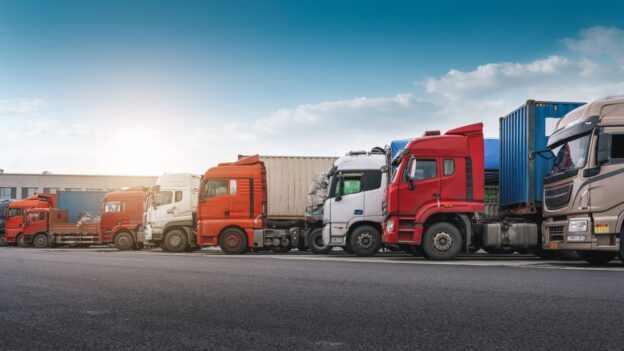
Commercial trucking at a warehouse.

Best Commercial Truck Insurance for Fleets & Owners

For trucking businesses, insurance is essential for protection on the road and in the office. The right policy helps cover costs tied to accidents, cargo loss, liability claims, and other operational risks. Reliable coverage supports safety, legal compliance, and long-term financial stability for fleets of any size.

Choosing the right provider starts with understanding available coverage options, comparing reputable companies, and weighing factors like service, pricing, and industry knowledge.

What Is Commercial Truck Insurance?

Commercial truck insurance protects against financial loss from accidents, theft, damage, and other incidents involving trucks and drivers. It addresses risks unique to commercial transportation that standard auto insurance does not cover.

Carriers are typically required to carry liability insurance to meet state and federal regulations. Additional protections, such as physical damage or cargo coverage, can be added based on operational needs.

Types of Commercial Truck Insurance Coverage

Coverage options are designed to protect different areas of the business. Some focus on legal liability, others on truck repairs, cargo, or downtime. The right mix depends on the type of freight, operating authority, and whether you’re running under your own authority or leased to a carrier.

Primary Liability

Covers bodily injury and property damage caused to others when the truck driver is at fault. Required for motor carriers operating under their own authority. This coverage doesn’t include the truck or cargo.

The FMCSA mandates a minimum of $750,000, though many brokers require $1 million in coverage.

General Liability

Protects against non-driving risks such as injuries at terminals, property damage during loading, or claims tied to business operations. Not required by law but recommended for fleets with staff, office space, or customer interaction.

Physical Damage

Pays to repair or replace trucks damaged by accidents, theft, vandalism, or natural disasters. Includes collision and comprehensive coverage.

Often required by lenders for financed or leased vehicles. Ideal for owner-operators and fleets protecting valuable equipment.

Motor Truck Cargo

Covers freight in case of loss, damage, or theft during transit. Essential for meeting broker and shipper requirements. Policies vary by cargo type, so matching coverage to freight value is key.

Bobtail/Non-Trucking Liability

Provides coverage when a truck is operated without a trailer or not under dispatch. Commonly required by carriers for leased-on owner-operators.

Covers accidents that happen during personal or non-business use of the truck.

Trailer Interchange

Trailer interchange insurance covers physical damage to non-owned trailers used under a trailer interchange agreement. If a trailer is damaged in your care due to collision, fire, theft, or vandalism, this policy helps cover repair or replacement costs.

This coverage is essential for carriers who regularly swap trailers with other trucking companies or logistics partners.

Workers’ Compensation

Workers’ compensation provides medical benefits and wage replacement for drivers or employees injured on the job. It also protects employers from legal claims related to workplace injuries.

Coverage is required in most states for businesses with employees. Even for small fleets, it’s a key safeguard that supports both legal compliance and employee well-being.

Top Commercial Truck Insurance Companies for 2025

Several insurance providers stand out for their experience, service, and tailored policies for the trucking industry. Each company offers different strengths, depending on the size of your fleet, type of freight, and specific coverage needs.

The following companies are among the most trusted options for commercial truck insurance in 2025.

Progressive

Progressive is one of the largest commercial truck insurance providers in the country. Known for its flexible policies and nationwide reach, it serves a wide range of trucking businesses from owner-operators to larger fleets.

Pros

  • Quick online quotes and flexible coverage options
  • Large network and strong name recognition
  • Specialized plans for motor carriers and owner-operators
  • Competitive discounts for safe driving and bundled policies

Cons

  • Customer service can vary by region
  • Some users report slow claims processing in complex cases

OOIDA

The Owner-Operator Independent Drivers Association offers insurance exclusively to its members, focusing on small trucking operations and leased-on drivers.

Pros

  • Designed specifically for owner-operators
  • Offers competitive rates and member support
  • Coverage options include physical damage, bobtail, and occupational accident

Cons

  • Must be a member to access coverage
  • Limited options for larger fleets

State Farm

State Farm provides commercial auto insurance with a strong reputation for personalized service through its local agent network.

Pros

  • Trusted brand with dedicated local agents
  • Strong customer service and claims handling
  • Offers multiple policy types for small business needs

Cons

  • Limited availability for specialized trucking coverage
  • May not be ideal for larger or long-haul fleets

Sentry Insurance

Sentry specializes in insurance for trucking and transportation businesses, offering tailored solutions for fleets of various sizes.

Pros

  • Deep experience in the trucking industry
  • Dedicated account managers for fleets
  • Strong financial stability and claims support

Cons

  • No online quotes; must go through an agent
  • Not as well-known as larger national carriers

CoverWallet

CoverWallet is an online insurance platform that lets trucking businesses compare quotes from multiple providers and manage policies in one place.

Pros

  • Easy online quote comparisons
  • Access to multiple insurers through one platform
  • Fast and convenient digital tools

Cons

  • Acts as a broker, not a direct insurer
  • Customer service can vary based on the carrier selected

The Hartford

The Hartford offers commercial auto and trucking insurance with a strong focus on risk management and business support.

Pros

  • Longstanding reputation for business insurance
  • Helpful risk management services
  • Flexible coverage options for small to mid-size fleets

Cons

  • May not offer specialized plans for all trucking segments
  • Quotes typically require working with an agent

Northland Insurance

Northland Insurance, a subsidiary of Travelers, focuses exclusively on the trucking and transportation industry.

Pros

  • Specialized in commercial trucking coverage
  • Strong claims handling reputation
  • Backed by the financial strength of Travelers

Cons

  • Policies must be purchased through an agent
  • Less visibility compared to larger national brands

How to Choose the Right Truck Insurance for Your Fleet or Business

Selecting the right insurance involves more than just comparing prices. The best policy will depend on your fleet size, freight type, operating area, and risk exposure. Several key factors can help narrow down the right fit for your business.

Assess Your Needs

Start by identifying the specific risks your business faces. Consider the type of freight you haul, the distance and regions you operate in, the number of trucks and drivers, and any contractual insurance requirements from brokers or shippers. Knowing what you need covered helps avoid paying for unnecessary extras or leaving gaps in protection.

Compare Coverage Options

Not all policies offer the same level of protection. Review what each provider includes in core coverage and what’s available as an add-on. Look closely at liability limits, cargo exclusions, and physical damage terms to make sure the policy aligns with your operation’s risks.

Consider Customer Service & Claims Support

Strong customer support and efficient claims handling can make a big difference when problems arise. Look for providers with a reputation for responsiveness, clear communication, and a streamlined claims process. Local agents or dedicated account managers can also add value, especially for growing fleets.

Pricing & Affordability

While cost is important, the lowest price doesn’t always offer the best value. Compare quotes across providers, but also weigh the coverage limits, deductibles, and exclusions. Discounts may be available for safe driving, bundled policies, or using electronic logging devices.

Specialized Trucking Expertise

Choose a provider that understands the trucking industry. Companies with specialized experience are better equipped to offer coverage that fits real-world risks, regulatory requirements, and operational needs. This can also lead to smoother claims, better policy options, and proactive risk management support.

Key Takeaways

The right insurance can protect your trucks, your cargo, and your business, keeping you compliant, covered, and confident on the road. With so many options available, it pays to work with providers who understand the unique challenges of the trucking industry.

At Advanced Commercial Capital, we work closely with our clients to ensure they have the tools, resources, and financial support to keep moving forward. If you’re looking to improve cash flow, cover key expenses, or grow your fleet, factoring can help you do just that, without the wait.

Apply today and take the next step toward a more stable, profitable trucking business.

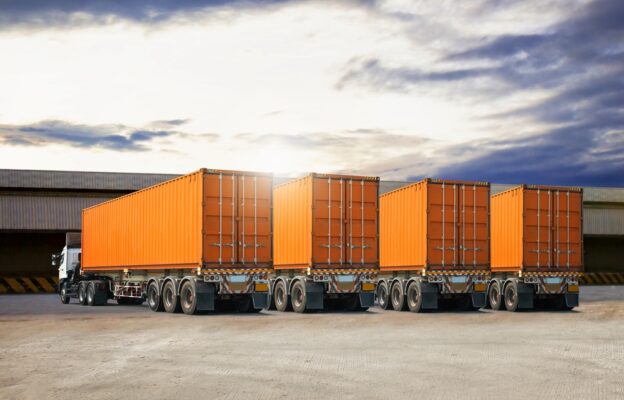
freight factoring semi trucks in the parking lot of a warehouse

Is Non-Recourse Factoring Right for Your Business?

Getting paid on time is one of the biggest challenges in the trucking industry. Waiting 30, 60, or even 90 days for customers to pay can put a real strain on cash flow, especially for smaller fleets. That’s where freight factoring comes in. By selling invoices to a factoring company, carriers get quick access to the money they’ve earned, without the long wait.

Non-recourse factoring takes it a step further. In this setup, the factoring company assumes more of the risk if a customer fails to pay. But is it the right fit for your operation?

What Is Non-Recourse Factoring?

Non-recourse factoring is a type of freight factoring where the factoring company takes on the credit risk. If your broker or shipper goes out of business or simply fails to pay due to insolvency, you won’t be held responsible for the unpaid invoice. This protection can offer peace of mind, especially when hauling for new or unfamiliar customers.

It’s important to note that non-recourse doesn’t cover every type of non-payment. For example, disputes over service, incorrect billing, or paperwork issues may still fall on the carrier. But when it comes to customer credit failure, non-recourse factoring can provide a valuable safety net.

Who Benefits Most From Non-Recourse Factoring?

Non-recourse factoring is especially helpful for small to mid-sized carriers who want extra protection against credit risk. It’s a smart choice for businesses that:
Work with new or unfamiliar brokers and shippers

  • Work with new or unfamiliar brokers and shippers
  • Don’t have the time or tools to track customer credit profiles
  • Want more predictable cash flow without worrying about collections
  • Prefer not to risk being held responsible for unpaid invoices due to customer bankruptcy

Owner-operators and small fleets that are growing quickly or expanding into new lanes often use non-recourse factoring as a safeguard while building their book of business.

Pros and Cons of Non-Recourse Factoring

Like any financial tool, non-recourse factoring comes with advantages and trade-offs. Understanding both sides can help you make the best decision for your trucking business.

Pros

  • Credit protection: If a broker or shipper fails to pay due to insolvency, the factoring company absorbs the loss.
  • Less risk for carriers: Helps avoid the stress and financial hit of unpaid invoices.
  • More predictable cash flow: Payments are not delayed or reversed due to customer default.
  • Confidence working with new customers: Adds peace of mind when accepting new loads.

Cons

  • Higher fees: Non-recourse factoring typically costs more than recourse factoring due to the added risk for the factor.
  • Limited coverage: Only protects against non-payment due to insolvency, not disputes or billing errors.
  • Stricter credit checks: Factoring companies may limit funding to customers who meet specific credit standards.
  • Less flexibility: Some non-recourse agreements may have tighter terms or restrictions compared to recourse options.

How Non-Recourse Factoring Works at Advanced Commercial Capital

At Advanced Commercial Capital, non-recourse factoring is designed to protect trucking companies without adding unnecessary complexity. Once a load is delivered and paperwork is submitted, payment is advanced quickly, usually within 24 hours. If the customer doesn’t pay due to credit failure, there’s no chargeback to your business.

Our team monitors the credit health of your customers, so you can focus on driving and delivering. There are no long-term contracts, no setup fees, and you only factor the loads you choose. It’s a straightforward way to improve cash flow while minimizing risk.

How to Decide if Non-Recourse Factoring Is Right for You

The best factoring option depends on your cash flow needs, risk tolerance, and customer base. If you often haul for new brokers or worry about getting paid, non-recourse factoring may offer the security you need. But if your customers are well-established and reliable, recourse factoring might be the more affordable option.

Think about your business goals, financial priorities, and how much risk you’re comfortable managing. The right solution should support your growth while protecting your bottom line.

FAQs About Non-Recourse Factoring

There’s often confusion around what non-recourse factoring does and doesn’t cover. The questions below address common concerns and help clarify how this option works in real-world situations.

Does non-recourse mean I’m never liable?

Not always. Non-recourse factoring protects you if a customer can’t pay due to insolvency or bankruptcy. But if non-payment is due to billing mistakes, missing documents, or a dispute over the service, you may still be responsible. It’s important to follow all paperwork and delivery procedures to stay protected.

Is it more expensive than recourse factoring?

Yes. Non-recourse factoring usually comes with slightly higher fees because the factoring company takes on more risk. However, for many carriers, the added cost is worth the peace of mind and protection from bad debt.

Can I switch between recourse and non-recourse options?

In many cases, yes. Some factoring companies, including Advanced Commercial Capital, offer flexible plans that allow you to choose between recourse and non-recourse on a load-by-load basis. This gives you more control over your costs and your level of risk.

Ready to See if Non-Recourse Factoring Fits Your Fleet?

Non-recourse factoring can give your trucking business the confidence to keep moving forward, even when customers fall short. At Advanced Commercial Capital, we make the process simple, fast, and flexible, with no setup fees, no long-term contracts, and personalized support every step of the way.

If you’re ready to protect your cash flow and reduce your risk, fill out an application today. Let’s keep your business running strong, mile after mile.