Author Archives: adcomcap

man wearing a blue ball cap working on his freight broker license paperwork

6 Steps to Getting a Freight Broker License

Every year, more drivers and small fleet owners look beyond the wheel and toward the business side of freight. The appeal is clear, yet the path often feels fragmented across regulations, paperwork, and financial hurdles. That uncertainty often slows capable operators from moving forward. For those researching how to get a freight broker’s license, having a clear structure and defined steps makes the process more manageable and far less overwhelming, especially when taking that next step.

How Much Does It Cost to Get a Freight Broker License?

The cost of becoming a freight broker comes from several required filings and ongoing compliance expenses. Most new brokers can expect:

  • FMCSA application fee: $300 (one-time, non-refundable)
  • Freight broker bond (BMC-84) or trust fund (BMC-85): $75,000 requirement; most brokers pay about $900 to $3,750 annually, depending on credit
  • Process agent (BOC-3) filing: $20 to $100
  • Business registration and setup: typically $50 to $500, depending on the state
  • Unified Carrier Registration (UCR): around $60 annually

While the bond amount usually draws the most attention, the overall investment is often more approachable than expected. Many brokers also budget for insurance and software as they get underway, which adds to early expenses and plays a role in how quickly operations can gain traction, build carrier relationships, and maintain steady cash flow in the first stages of growth.

What is a Freight Broker?

A freight broker is essentially a “middle man” between two parties: a business that requires the careful shipment of goods, and the authorized motor carrier who will be doing the shipping. A freight broker doesn’t actually transport anything themselves. Instead, think of them more as an important part of the logistics side of the equation.

They will help make sure that the needs of the client’s business are understood and taken care of all throughout the process. They’ll match that client up with a carrier capable of meeting their specific needs. They help manage financial risk for all parties and can even assist in addressing things like carrier safety, compliance, and potential fraud.

One of the many benefits of being a freight broker is that there is virtually no limit on the amount of money you can make. You get to be an active part of the logistics industry without commuting or spending a lot of time on the road, and there are also low startup costs as well. Being a freight broker also comes with low overhead expenses, as you don’t have to worry about actually shipping the goods or paying to properly maintain a fleet of vehicles.

In order to operate as a freight broker, however, you will need to get your freight broker license. This isn’t necessarily a difficult process, but it is a precise one that you must follow. There are a few steps in particular that you’ll definitely want to account for moving forward.

Freight Broker vs Freight Agent: What’s the Difference?

Both roles work in the same industry, but their responsibilities and independence are very different. A freight broker holds the authority to arrange transportation, build carrier networks, and manage contracts directly with shippers. A freight agent works under a licensed broker, focusing more on sales and relationship building, and does not hold separate authority.

This difference often shapes how people enter the industry. Some start as agents to gain experience and learn the business before stepping into full brokerage operations. It also helps to know how a freight forwarder differs from a broker, since forwarders may take temporary possession of freight, which adds responsibility. Each path comes with its own pace, level of risk, and degree of control, depending on a person’s long-term goals and business style.

Is Becoming a Freight Broker Right for You?

Although freight brokers and freight agents often work closely together, their roles involve different levels of responsibility. A freight broker operates with full authority, managing contracts, setting rates, and maintaining relationships with both shippers and carriers. A freight agent works under a broker’s authority, focusing mainly on finding loads and taking care of clients while the broker handles compliance.

This gap in responsibility affects both risk and control. Brokers are accountable for legal obligations, financial agreements, and industry regulations, including avoiding problems such as double brokering. Agents deal with fewer regulatory demands but also have less independence. For many newcomers, starting as an agent feels like a practical way to gain experience before taking on the full responsibility of running a brokerage and managing long-term growth on their own.

Steps to Acquiring Your License

1. Meet Requirements

Arguably, the most important step to getting your freight broker license involves making sure that you meet all the necessary requirements to embrace this long and fruitful career. That means investing in training if you have not already had the opportunity to do so.

There is a wide range of online training courses you can take that will give you the knowledge you’ll need to excel while on-the-job. There are also a number of training books that can help you out. If you already have a freight brokerage company that you’re planning on working with, but just haven’t met the formal requirement of having a license yet, you’ll likely be able to speak to them to get some hands-on practice and experience.

Remember that this is absolutely one of those situations where “continuous improvement” is a goal that you should be striving for.

2. Gain Knowledge of the Industry

During this period, you’ll also want to gain as much knowledge about the industry itself as possible. Don’t lose sight of the fact that this is a business, the same as anything else. So you’ll want to know as much as you can about the ins and outs of how things work, all so that you can use this knowledge to your advantage.

Case in point: choosing a business structure. For tax purposes, there are three main structures you can choose from depending on your needs. You could be a sole proprietorship, a partnership, or a corporation. There is no “one size fits all” answer regarding which type you should select. Each will have long-term implications regarding how you can earn money and how you’ll be taxed on that income. If you’re not sure where to begin or are confused about the intricacies of the process, it’s always recommended that you consult the help of a business attorney. That way, you can be confident knowing that you’re making the best decision possible.

As you build this foundation, it helps to know how long the licensing process usually takes. Most applicants complete the required steps in about four to six weeks, depending on how quickly they finish paperwork and how fast filings are processed. Delays often come from incomplete applications or waiting on bond approvals, so being prepared at this stage can keep things moving without unnecessary setbacks.

3. Obtain a DOT Number

In order to operate a freight brokerage business in the United States, you need to have a DOT (or USDOT) number. This is something that you get through the Federal Motor Carrier Safety Administration, otherwise known as the FMCSA for short.

Note that you will obtain your DOT number when you fill out and submit form OP-1 (see below for additional information). However, because this is a strict requirement for operating at all, it’s important enough that it warrants a separate mention.

4. Register with FMCSA

It’s also important to note that you will need a process agent not just in the state where you’re based, but in every state that you plan on writing broker contracts in. This is essential because in the event that you are ever sued, the process agent is the person who will agree to accept any court papers on your behalf. This is who a process server would look for to serve a summons, for example.

To properly register with the FMCSA, you’ll need to fill out CForm BOC-.

5. Obtain a Trust Fund or Bond

As per the Moving Ahead for Progress in the 21st Century Act, all freight brokers are required to have a $75,000 freight broker bond. This is a special type of bond that covers not only yourself, but also any of your affiliates, for up to $75,000 in the event that any claim filed against you is successful.

In terms of running a business, this bond helps to immediately give you a much-needed level of credibility. It’s also a way to prevent fraud and to compensate any shippers or other carriers that you may not pay in a timely manner for whatever reason.

The bond amount is set at $75,000, but most brokers do not pay that full figure upfront. Instead, they pay an annual premium based mainly on personal credit, which often ranges from about $900 to $3,750 for those with strong financial histories. Higher-risk applicants may face steeper costs. The alternative, a trust fund, requires setting aside the full $75,000 in cash. Claims against the bond can drive up future premiums or make coverage harder to secure, which ties financial discipline directly to day-to-day operations. For many new brokers, knowing this early helps set realistic expectations before moving ahead.

6. Submit OP-1 Form

Finally, once you’ve completed all the aforementioned steps and your business structure is firmly in place, you’ll want to fill out your OP-1 form. This is an application form that will get sent to the FMCSA, which includes a general overview of who you are and how you plan to operate.

Just a few of the pieces of information you’ll need to submit along with your application include, but are not limited to ones like:

  • The name of your company.
  • Your name.
  • Your address and other relevant contact information.
  • The type of operating authority.

  • To speak to the type of operating authority in particular, you’ll have two options to choose from depending on your situation: a “Broker of Household Goods” or a “Broker of Property (Except Household Goods).” This will be directly impacted by the career path you see for yourself.

    Note that when you submit your OP-1 form, you will also have to pay a filing fee for each type of license you have in mind. As of 2024, that filing fee is $300.

    What Happens After You Get Your Freight Broker License?

    Once your license is active, the focus shifts from paperwork to moving freight and building relationships. New brokers start by reaching out to shippers, vetting carriers, and setting up internal processes to stay organized. This usually includes preparing a carrier packet that outlines agreements, insurance expectations, and basic requirements before working together.

    From there, consistency becomes the main goal. Clear communication, load tracking, and timely invoicing all help build trust with shippers and carriers. Early choices about systems and workflows can influence how smoothly the business runs over time. With steady habits, brokers move from setup into daily operations, where reliability and follow-through begin to shape long-term stability and stronger working relationships across the industry.

    Cash Flow Challenges for New Freight Brokers

    Starting as a freight broker often brings a challenge many do not expect: timing. Brokers usually pay carriers quickly but wait days or even weeks to receive money from shippers. This gap can strain early operations, especially as load volume grows.

    Without a steady cash flow, it becomes difficult to keep carriers moving and relationships strong. Many new brokers look for ways to stabilize this side of the business so they can focus on growth instead of delayed payments. For those learning how to get a freight broker’s license, understanding this financial timing early can shape better decisions from the start. Planning early around invoicing, collections, and cash management can shape how sustainable the business feels in those first few months and create a more consistent financial rhythm as the business grows.

    If you’d like to find out more information about the important steps you need to take to get your freight broker license, or if you have any additional questions that you’d like to go over with someone in a bit more detail, please don’t hesitate to contact the team at Advanced Commercial Capital today.

    a trucking manager looks out the window at a lot filled with semi-trucks - he knows how much does it cost to start a trucking company

    Guide: How Much Does it Cost to Start a Trucking Company?


    The idea of running a trucking company often begins with independence. Many drivers reach a point where they want more control over routes, revenue, and long-term direction. At the same time, the financial side can feel uncertain early on. Costs vary, expenses build quickly, and early decisions carry weight. That pressure can slow progress before it starts. Taking a closer look at how much does it cost to start a trucking company through real numbers and timelines brings clarity and a more confident starting point.

    Startup Cost Summary: Quick Breakdown for New Trucking Companies

    A clear snapshot of startup costs helps bring structure to early planning. While totals vary, most new operations fall within a consistent range when grouped into core categories:

    • Equipment (truck + trailer): $60,000 to $250,000+ depending on age and condition
    • Insurance (annual): $14,000 to $22,000+ per truck, often higher for new authority
    • Licensing and registrations: $500 to $3,000
    • Business setup and admin costs: $500 to $2,000
    • Technology and ELD systems: up to $1,000 annually
    • Working capital (fuel, maintenance, reserves): $20,000 to $45,000+

    Looking at how much does it cost to start a trucking company through these categories creates a clearer expectation and helps shape practical financial decisions before launching operations. Planning for delays, repairs, and early cash flow gaps can reduce pressure during the first few months on the road.

    Starting Your Company – Initial Investment Breakdown

    Starting your own trucking company comes with a variety of costs. Whether you start with one truck or 10, there are specific costs that you have to tackle to launch your business. Here is a general breakdown of the things you will need and their initial investments:

    • CDL: Your commercial driver’s license is a necessity, and these costs vary from state to state, as does the cost of taking the CDL training course. Plan several thousand dollars for this expense.
    • Truck and Trailer: To start your own trucking company, you must purchase a truck and trailer. The age, size, and type will all impact the cost. This cost can be as low as $15,000 and as high as $150,000 for just the truck and an additional $30,000 to $50,000 for the trailer.
    • Insurance: Commercial trucking insurance can be as much as $12,000 to $18,000 a year per truck.
    • USDOT and Motor Carrier Numbers: To operate legally, you must have an MC and USDOT number. The total cost is $300 per operating authority
    • Business Entity: For your protection, you will want to set up an official business entity, such as a Limited Liability Company or S-Corp. The cost for this varies by state but is usually less than $2,000 for a simple business structure.
    • Electronic Logging Device: Finally, you’ll need to invest in an ELD system to ensure your drivers remain compliant with hours on duty regulations. There are only a handful of exceptions to ELD regulations, so plan to invest in one of these systems at the launch of your business. These can cost as much as $950 per year to operate.

    Before you can launch your business, you will need to have all of these costs covered, and our financing options can help.

    Should You Buy or Lease a Truck? Cost Comparison

    Choosing between leasing and buying is one of the first major financial decisions a new trucking company faces. Each option affects cash flow, flexibility, and long-term cost in different ways.
    Buying comes with a higher upfront investment, but it builds equity and gives full control over the equipment. Maintenance and repairs fall entirely on the owner. Leasing usually involves a lower upfront cost with steady payments, often tied to an owner-operator lease agreement that outlines usage terms and responsibilities.

    Leasing can ease the initial financial load, while buying may appeal to those focused on long-term ownership. The right choice often depends on available capital, growth plans, and how each option fits into overall financial stability, along with maintenance expectations and resale value.

    Operation and Overhead Costs

    Once the business is up and running, there are additional operation and overhead costs you’ll need to account for as you work to bring in income. Advanced Commercial Capital can help you account for the following:

    1. Driver Salaries

    Unless you are going to be an owner/operator, you will need to hire drivers to drive your trucks. Expect to pay a salary and mileage of around $70,000 a year to attract and retain reliable drivers. You may also choose to pay mileage in addition to a base salary, and a standard of 40 cents per mile is common.

    2. Fuel and Tolls

    Fuel is another cost you must account for once you’re up and running. You should expect about 6 miles for every gallon of fuel in your semi-truck, and the actual cost of fuel will depend on the current prices at the pump. Similarly, you will need to invest in EZ Pass to cover tolls for your drivers.

    3. Technology

    Many trucking companies find technology is essential to their operations. Advanced mathematics systems can help you keep your trucks on the road more accurately, and automated routing and dispatch systems will help improve the efficiency of your business. All of these systems cost something to operate.

    4. Business Overhead Costs

    Finally, a trucking company is, at its heart, a business. This means you will have costs for marketing, keeping up an office, invoicing your clients, creating rate confirmation and freight contract documents, organizing notice of assignment documents, and tracking payments, similar to any business. It can cost around $5,000 to start and run your initial marketing campaigns, and you will also need to account for other office-based expenses. In trucking, these operational costs include dispatch, which many new companies outsource, so plan on dispatch fees of around 5 to 10% per load.

    Cost Per Mile: The Number Every Trucking Company Must Know

    Understanding cost per mile brings clarity to day-to-day operations. It reflects what it takes to run each mile and helps determine which loads are worth accepting. A typical breakdown includes:

    • Fuel: often the largest variable expense
    • Maintenance and repairs: routine service and unexpected issues
    • Insurance: fixed cost spread across total miles
    • Truck payments or lease costs: consistent financial obligation
    • Driver wages and trucker pay: mileage-based or salary structures
    • Tolls and permits: route-dependent expenses

    Fuel and maintenance tend to shift the most, while insurance and equipment costs stay more consistent. Tracking these numbers over time leads to better pricing decisions and helps avoid loads that do not cover operating costs.

    Knowing this number early supports more stable growth and keeps operations aligned as conditions change.

    Navigating Regulatory and Compliance Fees

    The trucking industry is quite heavily regulated due to the serious nature of accidents involving semi-trucks. Here are some of the compliance and regulatory costs you’ll have to cover:

    • BOC-3 Form: If you’re doing interstate business, you will need to have a BOC-3 Form, which shows you can operate legally in your various states. This costs between $20 and $40.
    • International Registration Plan Credentials: The International Registration Plan Credential is also required if you cross state lines. The IRP averages about $1,700 a year, but these plates can cost between $500 and $3,000 per truck.
    • International Fuel Tax Agreement Decal: Yet another regulation required for crossing state lines, the IFTA costs about $10 a year.
    • Heavy Highway Vehicle Use Tax: The HVUT is applied to all trucks weighing over 55,000 pounds. It runs between $100 and $550 a year. You will also need to pay business income taxes each year.
    • Unified Carrier Registration: The UCR for up to two trucks is $69, but for three to five vehicles, it is $206. Larger trucking companies will need to spend even more.

    Hidden Costs New Trucking Companies Often Miss

    Some of the most impactful expenses are not always obvious at the start. These costs tend to surface after operations begin, which can create pressure if they are not accounted for early. Downtime from repairs or delays can reduce revenue quickly, while larger maintenance issues can strain available funds beyond routine expectations. At the same time, changes in freight rates and fuel prices can affect consistency in ways that are hard to predict early on.

    Operational demands also build over time. Administrative tasks like invoicing, compliance tracking, and general back-office work take time and resources. Payment delays, often stretching 30 to 45 days or longer, can slow momentum even when freight is moving consistently. Recognizing these factors early helps create a more stable financial footing as the business grows.

    How to Lower Startup Costs Without Cutting Corners

    Lowering startup costs comes down to making steady, informed decisions rather than cutting back in ways that create problems later. Many new trucking companies begin with reliable used equipment to reduce upfront investment while still maintaining strong performance. Growth tends to be easier to manage when it happens in phases, starting with one truck and expanding as revenue becomes more consistent.

    Insurance is another area where careful comparison can lead to meaningful savings, especially for a new authority. Some operators choose to outsource dispatch or administrative work early on to avoid additional payroll costs. Small efficiencies, like planning fuel routes more carefully, can also add up over time.

    These decisions help preserve working capital and create more flexibility during the early stages of operation.

    Trucking Company FAQs

    1. What is the minimum amount of money needed to start a trucking company?

    Most new trucking companies should plan to invest at least $100,000 to $200,000 to get started with one truck. This includes equipment, insurance, licensing, compliance, and working capital. Costs can increase significantly if you plan to operate multiple trucks or hire drivers right away. Having adequate cash reserves is just as important as covering startup expenses.

    2. Can I start a trucking company with no money?

    Starting with little to no capital is extremely difficult. Even if you finance your truck, you’ll still need funds for insurance down payments, permits, fuel, maintenance, and initial operating costs before freight payments start coming in. Many new carriers use financing solutions such as equipment loans and factoring to bridge the gap and maintain cash flow in the early stages.

    3. How long does it take to become profitable?

    Profitability depends on freight rates, operating costs, debt load, and how efficiently you manage expenses. Some owner-operators can become profitable within the first year, while others may take longer if startup costs are high. Careful budgeting, strong rate negotiation, and consistent cash flow management are key factors in reaching profitability sooner.

    4. What are the biggest ongoing expenses for a trucking company?

    The largest ongoing costs typically include fuel, insurance, driver wages, truck payments, maintenance, and compliance fees. Fuel alone can account for a significant portion of monthly expenses. Understanding your cost per mile is critical to ensuring you’re accepting loads that are actually profitable.

    5. How can factoring help a new trucking company manage startup costs?

    New trucking companies often wait 30 to 45 days for brokers or shippers to pay invoices. Factoring converts those unpaid invoices into immediate cash, helping cover fuel, payroll, insurance, and repairs without taking on additional long-term debt. For startups especially, consistent cash flow can mean the difference between steady growth and financial strain.

    Cash Flow Challenges in the First 90 Days

    The first few months often reveal a gap that catches many new trucking companies off guard. Freight may be moving, but payments do not arrive on the same timeline. Most brokers and shippers operate on 30 to 45-day terms, while fuel, insurance, and payroll continue on a much shorter cycle.

    This timing difference can create pressure early on. Even with consistent loads, covering daily expenses without incoming payments can strain available funds. Unexpected repairs or rate changes can add to that pressure, especially when reserves are limited.

    Planning for this gap ahead of time helps stabilize operations. A clear invoicing process, steady load selection, and access to working capital can help bridge that gap and keep trucks moving during those early months while maintaining stronger financial control.

    Choosing the Right Financing Strategy for Your Trucking Company

    The costs to start a trucking company do vary from one to the next. The right financing strategy starts with the right finance company that understands the intricacies of running a trucking company. Advanced Commercial Capital works with trucking and freight companies, offering factoring, freight capital, and cash flow solutions tailored to the trucking industry. We help our clients finance their startup costs, avoid financial pitfalls, such as scams and double brokering, and create a financial plan that will work for the long term. Transportation financing is all we do, so we are well-positioned to help you launch your trucking company and keep it running through factoring or lines of credit that will keep the cash flow in play as you need it. To learn more about the costs of starting a trucking company, reach out to our team today.

    A semi truck driver in a red shirt and cap reviews inspection paperwork while crouching next to a large red truck. The sun is shining, highlighting the busy work environment

    The FMCSA: What It Is and Why It Matters to You

    In trucking, compliance directly impacts your ability to keep trucks moving and maintain steady cash flow. A missed inspection, incomplete paperwork, or an unexpected audit can quickly lead to delays, fines, and lost revenue.

    Understanding how the FMCSA affects your day-to-day operation puts you in control. When you stay ahead of requirements, you reduce disruptions, protect your cash flow, and keep your business running smoothly.

    What is the FMCSA?

    The Federal Motor Carrier Safety Administration (FMCSA) is the agency responsible for regulating the trucking industry across the United States. Its role is to promote safety and ensure carriers operate consistently and reliably.

    For owner-operators and small fleets, federal safety regulations shape how your business runs each day and tie directly into DOT compliance. From driver qualifications to vehicle standards, these requirements create a structure that helps reduce risk, support safer operations, and keep your business moving without unnecessary interruptions.

    What Does the FMCSA Do?

    The FMCSA sets and enforces the regulations that trucking companies follow across the country. These rules cover driver safety, vehicle maintenance, and the day-to-day operations that keep your business running.

    Through inspections, audits, and performance tracking, the federal regulators monitor carriers and identify risks that can impact safety and compliance. These standards help create consistency across the industry, allowing carriers to operate with clearer expectations while reducing the likelihood of costly disruptions, delays, and compliance-related expenses that can affect overall cash flow, long-term business stability, and more predictable day-to-day operations.

    Key FMCSA Requirements for Trucking Companies

    Staying compliant with FMCSA regulations means keeping up with several core areas that directly affect how your business operates each day. These requirements influence everything from hiring drivers to maintaining equipment and planning loads.

    Key areas include:

    • Registration and operating authority, including DOT number rules for carriers
    • Driver qualification files, background checks, and ongoing recordkeeping
    • Hours of service (HOS) tracking to manage drive time and required rest periods
    • Vehicle inspection, repair, and maintenance to keep equipment safe and road-ready
    • Drug and alcohol testing programs to meet federal safety standards

    Each of these areas plays a role in keeping your operation compliant, reducing risk, and avoiding costly delays that can impact your cash flow.

    Understanding CSA Scores and Why They Matter

    CSA (Compliance, Safety, Accountability) scores reflect how your company performs in key safety areas based on inspections, violations, and crash data. These scores give regulators and industry partners a clear view of your overall compliance history.

    Lower scores indicate stronger performance, while higher scores can lead to increased inspections, audits, and added scrutiny. Over time, CSA scores can influence the loads you’re offered and the brokers you work with.

    For trucking companies, maintaining a strong CSA score supports more consistent opportunities, helps build trust with partners, and keeps your business positioned for steady growth.

    Common FMCSA Violations (and How to Avoid Them)

    Many violations start with small oversights that build over time. When records fall behind or maintenance gets delayed, these issues can lead to penalties, higher CSA scores, and added pressure during inspections.

    Common violations include:

    • Incomplete or inaccurate driver logs
    • Missed inspections or gaps in commercial truck maintenance records
    • Hours of service violations
    • Unresolved equipment issues
    • Outdated or incomplete driver qualification files

    Staying organized across these areas helps reduce risk and keep your operation running without unnecessary interruptions. Regular log reviews, consistent maintenance, and up-to-date records make it easier to stay compliant and avoid costly setbacks.

    How FMCSA Regulations Impact Your Day-to-Day Operations

    FMCSA regulations influence how trucking companies plan routes, schedule drivers, and manage time on the road. Daily operations depend on staying within set limits, keeping accurate records, and maintaining clear communication across your team.

    Hours of service rules, including the 14-hour driving window, affect how loads are scheduled and delivered. Dispatch decisions, route planning, and timing all connect back to these requirements, shaping how efficiently your business runs.

    When compliance is built into your routine, operations become more predictable. This consistency helps reduce delays, improve coordination, and keep your trucks moving without unnecessary disruptions.

    The Financial Side of Compliance

    FMCSA compliance comes with ongoing costs that directly affect how you manage your business. Expenses tied to inspections, maintenance, insurance, and administrative work can add up quickly, especially as your operation grows.

    When cash flow is tight, it becomes harder to stay current on these responsibilities. Delayed maintenance, missed payments, or falling behind on required updates can create larger issues that impact both compliance and day-to-day operations.

    Planning for these expenses and keeping cash flow consistent helps create a more stable operation, making it easier to handle compliance requirements without putting added strain on your business.

    How Factoring Helps You Stay Compliant and Financially Stable

    Cash flow plays a major role in your ability to stay compliant with FMCSA requirements. When payments are delayed, it becomes more difficult to keep up with maintenance, payroll, insurance, and other essential expenses tied to your operation.

    Factoring services give you faster access to the money you’ve already earned. Instead of waiting weeks to get paid, you can turn your invoices into working capital and keep your business moving without interruption.

    With steady cash flow, you can stay current on compliance-related costs, avoid delays, and make more confident decisions day to day while keeping your operation running efficiently.

    Tips for Staying FMCSA-Compliant

    Staying compliant with federal safety regulations comes down to consistency and strong internal processes. When your team follows clear routines, it becomes easier to avoid violations and keep operations running without interruptions.

    Helpful practices include:

    • Reviewing driver logs regularly for accuracy and completeness
    • Scheduling routine inspections and staying current on maintenance
    • Keeping driver qualification files organized and up to date
    • Training drivers and staff on current regulations and expectations
    • Monitoring CSA scores and addressing issues before they grow

    A consistent approach across these areas helps reduce risk, support safer operations, and keep your business aligned with federal requirements.

    Why Understanding FMCSA Gives You a Competitive Edge

    A clear understanding of FMCSA regulations helps you run a more consistent and reliable operation. When compliance is part of your daily routine, it supports smoother workflows, fewer disruptions, and stronger relationships with brokers and shippers.

    Carriers who stay organized and ahead of requirements are often in a better position to secure loads, maintain steady work, and grow without unnecessary setbacks. Consistency in compliance also builds trust, which plays a major role in long-term success.

    At Advanced Commercial Capital, we help trucking companies stay financially strong with fast, reliable access to working capital. If you’re ready to improve cash flow, stay on top of expenses, and keep your operation moving without delays, reach out today.

    Container terminal at night, stopped working forklifts and trucks.

    What is a Drayage Carrier?

    Shipping freight rarely moves in a single, uninterrupted line from origin to final destination. Along the way, loads stop at ports, rail hubs, and terminals where timing, coordination, and quick turnarounds shape what happens next. These short-distance moves often stay in the background compared with long-haul routes, yet they come with their own pressures. Understanding drayage clarifies how this part of trucking keeps freight flowing on tight schedules.

    What is a Drayage Carrier?

    A drayage carrier handles short-distance freight moves, usually between ports, rail yards, warehouses, and distribution centers. These runs form one link in a longer shipping chain, connecting different transportation modes so freight keeps moving from stage to stage.

    This type of work usually happens within a tight geographic area and on compressed timelines. Schedules depend on port hours, container cutoffs, and coordination with brokers and shippers. The work relies on efficiency, clear communication, and consistent turnaround across multiple stops in busy freight corridors. For many small fleets and owner-operators, this segment offers a steady flow of local loads and the chance to build long-term relationships within regional freight networks.

    Types of Drayage Services

    Short-haul moves can take several forms, each tied to a specific point in the shipping cycle. The mix of work depends on location, freight volume, and relationships with ports or rail providers.

    Common types include:

    • Port drayage, moving containers between seaports and nearby warehouses or terminals
    • Intermodal drayage, shifting freight between rail yards and distribution centers
    • Intra-carrier drayage, moving freight within the same carrier’s network over shorter distances
    • Expedited drayage, handling time-sensitive loads with tight appointment windows
    • Shuttle drayage, repositioning containers between nearby facilities to relieve congestion

    Each category comes with its own scheduling pressures, equipment needs, and coordination requirements across the parties involved in daily freight movements.

    How Drayage Operations Work

    Operations move quickly and depend on tight coordination among terminals, brokers, and trucking companies. A typical trip starts when a container arrives at a port or rail yard and must move to a warehouse or distribution center close by. Timing revolves around appointment windows, terminal congestion, and when containers clear for pickup.

    Drivers often complete several short runs in a day. That keeps trucks busy but also increases pressure around scheduling and turn times. A delay at one stop can ripple through the rest of the day and cut into overall productivity. To keep operations stable, many companies prioritize reliable cash flow. Factoring services can help cover ongoing expenses while freight continues to move.

    Equipment and Requirements for Drayage Carriers

    This segment operates in fast-paced environments where the right preparation keeps freight flowing and yard time under control. Because routes are short and frequent, reliability, quick cycle times, and minimal downtime matter a great deal.

    Typical equipment and requirements include:

    • Day cab trucks suited for short-haul routes without sleeper units
    • The correct chassis for container sizes and load types
    • TWIC cards and port credentials for access to secured terminals
    • Current registration, permits, and safety compliance documentation
    • Strong fuel management practices to control costs on frequent stop-and-go trips

    Well-maintained equipment and organized paperwork help companies remain active in busy port and rail markets while avoiding unplanned outages and last-minute compliance issues.

    Challenges Drayage Carriers Face

    Carriers working in this space operate where small setbacks can affect an entire day’s lineup of loads. Tight schedules and outside factors combine to create pressure that is not always within anyone’s control.

    Common challenges include:

    • Port congestion that leads to long wait times and, at times, missed appointments
    • Limited appointment slots that make planning tricky
    • Detention and demurrage fees increase costs when delays occur
    • Frequent stop-and-go driving adds wear and tear to trucks and chassis
    • Slow payments from brokers or shippers that strain cash flow

    These issues can build over time and affect consistency, long-term planning, and the ability to keep trucks moving at a steady pace while dealing with rising expenses and strict delivery expectations across many facilities.

    Why Cash Flow is Critical in Drayage

    This type of operation often runs on thin margins and fast-moving schedules, which puts constant attention on cash flow. Regular expenses such as fuel, maintenance, port fees, and insurance come due every day, while payments from brokers or shippers may not arrive for several weeks.

    This lag makes it harder to cover ongoing costs, particularly for growing fleets or single-truck operations. Payroll funding becomes a central concern because drivers still need timely paychecks even when invoices remain outstanding.

    Stable cash flow keeps bills current, trucks working, and daily operations on track. It also helps prevent interruptions that can slow growth, limit scheduling options, and add financial strain across the business.

    How Factoring Helps Drayage Carriers Stay Competitive

    Many carriers in this segment handle several loads per day, yet payment for those runs may not show up for weeks. That delay can create pressure when covering fuel, repairs, fees, and other regular costs.

    Freight factoring for trucking companies solves this gap by turning unpaid invoices into fast working capital. Instead of waiting on broker payments, companies receive funds more quickly and keep freight moving without cash-related slowdowns.

    More consistent cash flow supports on-time schedules, timely payment of recurring expenses, and stronger relationships with brokers. It also puts drayage companies in a better position to accept new opportunities in active freight markets and pursue growth with less financial uncertainty.

    Is Drayage Right for Your Trucking Business?

    This type of work can be a strong fit for carriers looking to stay local and keep trucks moving with frequent, short-haul loads. It often appeals to owner-operators who are starting a trucking company and want consistent work within a defined region. At the same time, factors like port access, scheduling demands, and equipment needs should be considered alongside the cost of starting a trucking company.

    For those willing to manage tight timelines and high activity, this segment can create steady opportunities and long-term relationships within local freight networks. Advanced Commercial Capital works with carriers building in this space. To learn more about maintaining steady cash flow as you grow, contact us today to get started.

    Big rig industrial grade bonnet powerful semi truck with a commercial cargo in dry van semi trailer is turning on the warehouse parking lot to park the trailer to the gate in the loading dock

    What Is Detention Pay in Trucking?

    Time on the road earns revenue. Time spent waiting often does not. Many loads move smoothly through pickup and delivery, yet dock delays remain common across the industry. Drivers may assume those lost hours are simply part of the job. Still, extended wait times raise an important question. When a truck sits idle through no fault of the carrier, how is that time valued, and who is responsible for covering it?

    Understanding Detention Pay in Trucking

    Detention pay is compensation a carrier receives when loading or unloading runs past the agreed free time, typically about two hours. Once that window closes, the clock starts. The idea is simple: a truck sitting at a facility cannot earn revenue somewhere else.

    For independent owners and small fleets, those delays add up fast. Fuel keeps burning, hours of service tick away, and delivery schedules get tighter. This compensation recognizes that lost productivity and helps offset the operating costs tied to unexpected delays.

    How Detention Pay Works

    Most rate confirmations outline a free time period at pickup or delivery. Once that time expires, compensation for the delay begins accruing in hourly increments. The rate may be a flat hourly amount or a set fee after a minimum delay threshold is reached.

    In many cases, drivers must notify the broker once detention starts. Some agreements call for updates at set time intervals. After approval, detention is usually added to the freight invoice. Clear communication and accurate time tracking often determine how smoothly that process goes.

    Common Causes of Detention in Trucking

    Delays rarely happen without a cause. Most come from problems in scheduling, staffing, or facility operations. While some slowdowns are unavoidable, many follow familiar patterns at shipping locations.

    Common causes include:

    • Overbooked loading docks
    • Incomplete or incorrect paperwork
    • Staffing shortages at warehouses
    • Late product availability
    • Tight appointment windows that stack trucks
    • Equipment breakdowns at the facility

    Each delay can feel minor in the moment. Over time, though, repeated detention cuts into available driving hours and chips away at revenue across the entire week.

    Detention Pay vs. Other Accessorial Charges

    Detention pay covers the extended wait time during loading or unloading after free time runs out. Other accessorial charges apply to different situations that interrupt a planned move. Confusion often comes up when these terms are used interchangeably, but each addresses a different cost tied to the load.

    Common accessorial charges include:

    • Layover pay for delays that extend into the next day
    • Lumper fees for third-party unloading services
    • Stop-off pay for additional delivery locations
    • TONU for the truck ordered was not used

    Clear definitions support accurate billing and reduce payment disputes.

    Who Pays Detention Pay

    Responsibility for this type of compensation typically falls on the broker or shipper, depending on the rate agreement. The carrier submits documentation, and the broker may need to get approval from the customer. Once it’s cleared, the additional amount is added to the freight invoice.

    Still, approval is not automatic. Some shippers dispute time records or argue that delays were outside their control. Clear contract terms and accurate tracking often determine the outcome. When expectations are defined early, disputes tend to decrease and payment moves more smoothly through the billing cycle.

    How to Properly Document Detention Time

    Accurate records are the backbone of a strong claim for wait-time compensation. Most brokers want in and out times written on the bill of lading and signed by a facility representative. Without that written confirmation, getting payment approved becomes much harder.

    Drivers should write down arrival time, dock time, and departure time. Photos of signed documents add another layer of protection. Letting dispatch or the broker know as soon as free time runs out also strengthens the claim. Solid documentation cuts down on disputes and makes it more likely that detention pay is approved and processed without delay.

    How to Request and Collect Detention Pay

    Once the extended wait time is documented, the next step is to submit the request according to the rate confirmation. Many brokers want written notice during the delay and supporting paperwork after delivery. Skipping a step can lead to a denial.

    The detention charge should appear as a separate line item on the invoice. Copies of signed bills of lading and time stamps help back up the claim. Follow-up matters here. If payment is delayed or reduced, a clear record strengthens the carrier’s position and keeps revenue from slipping through the cracks.

    How Detention Pay Impacts Cash Flow

    Delays affect more than a single load. When this payment drags out for weeks, revenue forecasting gets harder. Small fleets usually run on tight margins, so unpaid accessorial charges create strain that reaches far beyond one invoice.

    Even when this compensation is approved, it usually follows standard broker payment terms. That can mean waiting 30 days or more after you submit documentation. During that time, fuel, payroll, insurance, and maintenance don’t wait. Consistent processes for billing and collection help steady cash flow when dock delays become part of normal operations.

    How Factoring Helps Truckers Get Paid Faster for Detention

    Waiting weeks for accessorial charges to clear can slow momentum. With freight factoring, carriers can submit approved wait-time charges with the original invoice and receive funding shortly after delivery. Instead of chasing separate payments, revenue moves through one streamlined process.

    Transportation factoring keeps cash flow more consistent, even when brokers stretch out payment terms. Once this additional pay is documented and accepted, it can often be rolled into the total factored amount. That approach narrows the gap between completed work and available funds, helping operations stay steady despite delays.

    Best Practices to Minimize Detention Time

    While some delays are outside a carrier’s control, preparation can cut down on repeat problems. Clear appointment confirmations help prevent early arrivals that turn into longer waits. Reaching out before arrival gives facilities time to prepare paperwork and dock space.

    Strong relationships with reliable shippers and brokers also make a difference. Over time, patterns start to show. Tracking locations that often cause delays helps dispatch adjust schedules or negotiate better terms. Small operational tweaks can limit lost hours and protect revenue across a busy week.

    How Advanced Commercial Capital Supports Truckers

    Delayed payments place steady pressure on independent carriers. Accessorial charges, including detention pay, often follow the same extended billing cycle as freight invoices. That gap can slow progress and limit flexibility.

    Advanced Commercial Capital works with trucking companies that need steady funding tied to completed loads. Approved detention charges can be included in the invoice total, which helps revenue move faster through the system. Clear terms and straightforward communication lay the groundwork for stronger cash flow planning.

    If you’re ready to strengthen your funding process, reach out, and let’s start a conversation.

    White toy truck lie on dollars.

    Avoid Surprise Costs: Know Your Factoring Fees

    Cash flow in trucking rarely moves in a straight line. Loads get delivered, invoices go out, and payments can take weeks. Factoring offers faster access to working capital, yet the real cost often feels unclear at first glance. A low rate may look attractive, but the structure behind it tells the full story. Understanding factoring fees before signing an agreement helps keep those costs in check.

    What Is Truck Factoring and How Fees Fit In

    Truck factoring turns unpaid invoices into immediate working capital. Instead of waiting 30 to 60 days for a broker to pay, a carrier sells that invoice to a factoring company and receives most of the funds upfront. The remaining balance, minus fees, is released once the broker pays in full.

    At its core, this process falls under accounts receivable factoring and invoice financing. The basic idea is straightforward, yet the total cost depends on how the agreement is structured. Rates, timing, and additional factoring fees all shape the final expense, which is why transparency matters from the beginning.

    The Most Common Truck Factoring Fees Explained

    Most costs start with the base freight factoring rate. This percentage is deducted from each invoice in exchange for advancing funds and handling collections. Rates often range from one to five percent, influenced by invoice volume, broker credit strength, and payment speed.

    Beyond the base rate, additional charges may include:

    • Application or setup fees
    • Monthly minimum volume fees
    • Wire or ACH transfer fees
    • Credit check fees for new brokers
    • Fuel card program fees
    • Account maintenance or technology access fees

    Each charge may look small on its own, yet over time, they can significantly increase the total cost of a factoring relationship. A clear breakdown of all factoring fees helps carriers understand what they are paying for and why.

    Hidden Factoring Fees That Catch Truckers Off Guard

    Some costs stay out of sight until the first few funding cycles. The contract may advertise a low rate, and the fine print may tell a different story. These charges often surface after an invoice ages past a certain number of days or when minimum volume requirements are not met.

    Common hidden fees include:

    • Incremental rate increases after 30 or 45 days
    • Early termination fees tied to long contracts
    • Factoring in fuel advances before delivery
    • Reserve release delays that slow final payment
    • Fees for invoices that go unpaid
    • Additional charges for same-day funding requests

    These details shape the real expense of a program and can quietly affect profit margins over time.

    How Factoring Fees Vary by Trucking Business Type

    Factoring costs often reflects the level of risk tied to each load and customer. A single-truck owner working with established brokers may see different pricing than a small fleet hauling for newer shippers. The structure of the agreement plays a major role.

    Under recourse factoring, the carrier remains responsible if a broker fails to pay. That shared risk often results in lower rates. Non-recourse factoring shifts more credit risk to the factoring company, which can increase fees in exchange for added protection.

    Freight volume, average invoice size, and broker mix all influence pricing, and no two programs are exactly alike.

    How to Calculate the True Cost of Factoring

    Looking at the base rate alone rarely tells the full story. The real cost reflects how long invoices remain outstanding, how often advances are requested, and how reserves are released. A lower rate paired with added charges can end up costing more over time.

    It also helps to compare freight factoring and quick pay programs carefully. Quick pay may offer faster payment on select loads, yet the discount can be higher per invoice. Factoring provides consistent funding across brokers, which tends to stabilize cash flow. Running the numbers across several months often gives a clearer picture than reviewing a single load.

    Questions to Ask Before Choosing a Factoring Company

    Choosing the right freight factoring company starts with asking direct, practical questions. Clarity early on prevents frustration later and builds confidence in the partnership.

    Consider asking:

    • What is the full fee structure beyond the base rate?
    • Are there monthly minimums or long-term contract requirements?
    • How quickly are reserves released after broker payment?
    • What happens if a broker fails to pay?
    • Are there fees tied to funding speed or credit checks?
    • Is there a dedicated representative who understands trucking operations?

    Straight answers signal transparency. If responses feel vague or overly complicated, that often reflects how the relationship will function once invoices begin funding.

    How Advanced Commercial Capital Keeps Factoring Simple

    Many carriers have experienced funding programs that seemed straightforward at first, then later revealed added costs. Clear structure makes a noticeable difference. Advanced Commercial Capital focuses on transparency from the beginning. There are no setup fees and no long-term contracts that lock carriers into agreements that no longer fit their operation.

    Funding moves quickly, and reserve releases follow a consistent process. Questions about fees receive direct answers instead of confusing explanations. The goal is a steady cash flow that covers fuel, payroll, maintenance, and growth without unnecessary complexity. A straightforward approach builds trust and lets carriers focus on hauling freight instead of sorting through statements.

    Why Transparent Factoring Fees Lead to Better Cash Flow

    Predictable expenses create stronger planning. When fee structures are clear, revenue forecasts become more accurate, and margins are easier to protect. Carriers can price loads with confidence, knowing how much of each invoice will remain after funding.

    Transparency also reduces distraction. Time spent questioning statements or tracking down unexpected deductions pulls attention away from dispatch, safety, and customer relationships. Clear agreements remove that friction. Over time, steady funding paired with straightforward pricing supports healthier cash reserves. Growth decisions feel more intentional. Equipment upgrades, new hires, and route expansion end up grounded in real numbers instead of guesswork. Consistency brings greater stability across the operation.

    Avoid Surprise Costs and Factor with Confidence

    Every trucking operation runs on tight margins and constant movement. When funding costs are predictable, planning feels steadier and decisions carry less stress. Clear agreements protect revenue and help growth happen on a solid footing.

    Advanced Commercial Capital works with independent carriers who want transparency and straightforward relationships. The focus stays on honest pricing, flexible terms, and long-term partnerships built on trust.

    For carriers ready to take a closer look at their current program or explore a simpler option, now may be the right time to connect. Contact us to start a conversation and take the next step with clarity.

    Investment in truck business. Lorry is on road. Money with calculator. Freight revenue growth chart. Increase in cost of truck services. Logistics investment concept. Truck company accounting

    Understanding How Freight Rates are Calculated

    Freight pricing rarely comes down to instinct alone. It’s shaped through distance, weight, urgency, and many other variables moving in real time. Most assume rates are standard, but they shift constantly based on factors beyond the load itself. For carriers, understanding what shapes freight rates is part of staying competitive.

    The Basics of Freight Rates

    Freight Rate vs. Freight Cost: What’s the Difference?

    A freight rate is the price a shipper or broker pays to move a load, usually quoted per mile, per shipment, or under a flat agreement. Freight cost is the full expense a carrier absorbs to haul that load, including fuel, driver pay, tolls, maintenance, and downtime. A rate may look solid, but real margins depend on the total cost to run.

    Common Types of Freight Rates

    Flat Rate

    A flat rate is a single, agreed-upon price for hauling a load, regardless of mileage, weight, or route complexity. It simplifies billing and can be easier to manage for both carriers and brokers. While predictable, it doesn’t always reflect real operating costs, especially when fuel prices or delivery conditions shift unexpectedly.

    Per Mile

    The per-mile rate is based on the distance a load travels, often used for long-haul freight. It’s one of the most common rate structures and gives carriers a clear way to estimate revenue. However, it doesn’t account for delays, deadhead miles, or extra stops, which can reduce actual earnings on the route.

    Weight-Based

    Weight-based rates are calculated using the total weight of the shipment, typically priced per hundred pounds (CWT). Heavier loads cost more to haul, so this method is often used in less-than-truckload (LTL) shipping. While straightforward, it may not reflect the space a shipment takes up or how it affects fuel usage and handling time.

    Key Factors That Impact Freight Rates

    Distance & Route

    Longer distances typically increase the freight rate, but not always in a linear way. Difficult routes, limited backhaul opportunities, or delivery locations far from major highways can push rates higher. Carriers weigh not just the miles, but the time, fuel, and logistical challenges tied to the origin and destination points.

    Freight Type and Weight

    What’s being hauled and how much it weighs both influence the freight rate. Hazardous materials, fragile goods, or high-value cargo may involve special handling or permits. Heavier loads consume more fuel and place more strain on equipment. These factors often increase pricing, especially when combined with time-sensitive or regulated freight classifications.

    Equipment Type

    The type of equipment needed for a load can impact the rate significantly. Flatbeds, refrigerated trailers, and specialized rigs often come at a premium due to limited availability or added operational needs. Shippers pay more when the job calls for gear that isn’t standard or when fewer trucks are available to handle the load.

    Fuel Costs

    Fuel prices are one of the most fluid variables in freight rate calculation. When fuel costs rise, rates often follow to help offset expenses. Some contracts include a fuel surcharge, while others expect carriers to factor that cost into their base rate. Either way, changes at the pump ripple through the final rate quickly.

    Supply & Demand

    When available trucks are low, and freight volume is high, rates tend to increase. The reverse is also true. Too many trucks chasing too few loads pushes rates down. Seasonal shifts, economic changes, and regional freight patterns all influence the balance between supply and demand, making it one of the most unpredictable pricing factors.

    Delivery Timeframe

    Tight delivery windows often raise the rate. Expedited loads need faster transit, fewer stops, or team drivers to meet deadlines. That adds pressure on carriers and reduces scheduling flexibility. On the other hand, loads that offer more flexible pickup and drop-off times may be easier to fit into existing routes and priced more competitively.

    Accessorial Charges

    Accessorial charges cover services outside standard pickup and delivery. These might include detention time, layovers, help with loading, or use of liftgates. While not always discussed upfront, they affect the total cost and can quickly erode profit if not accounted for. Understanding which charges apply helps carriers quote more accurately and protect their margins.

    Regional Differences in Freight Rates

    Freight rates often shift depending on the region. Areas near ports, major distribution hubs, or population centers tend to pay higher due to volume and congestion. Rural or outbound-heavy areas may offer lower rates because trucks leave full but return empty. Seasonal patterns, regional regulations, and local fuel costs also influence pricing across different parts of the country.

    Technology and Rate Calculation Tools

    Modern tools help carriers and brokers price loads with more accuracy and less guesswork. These platforms pull real-time data to reflect fuel prices, market shifts, and lane trends.

    Common tools include:

    • Rate calculators built into load boards
    • Transportation Management Systems (TMS)
    • Mileage and routing software
    • Freight rate benchmarking tools

    How Shippers and Brokers Set Rates

    Shippers and brokers consider multiple factors when setting freight rates, including lane history, load urgency, market capacity, and carrier relationships. They also review recent rate data, fuel trends, and service expectations. While rates reflect market conditions, negotiation still plays a role, especially when reliability, flexibility, or consistent service adds value beyond the base cost.

    How Trucking Companies Can Ensure Fair Rates

    Carriers can protect their margins by staying informed and negotiating from a strong position. A few key practices help:

    • Track real-time market data on rate trends
    • Know your operating costs per mile
    • Use load boards with rate transparency
    • Build relationships with brokers who value consistency
    • Avoid underbidding just to stay moving
    • Factor in accessorial charges during rate negotiations

    How Advanced Commercial Capital Helps Trucking Companies Stay Profitable

    When rates fluctuate, keeping up with expenses like insurance, repairs, permits, and owner operator cost becomes harder. Advanced Commercial Capital offers freight factoring to help carriers access cash fast, without waiting on slow-paying brokers. Tools like fuel cards, load tracking, and simple invoicing help reduce pressure and keep trucks on the road.

    Our team understands the pace and uncertainty of this industry. To learn more about how we can work alongside your business, contact us today.

    Woman using mobile phone, online payment, banking and online shopping via banking mobile app, E-transaction and financial technology concept

    Ultimate Guide to Net 30 Terms

    Getting paid on time doesn’t always mean getting paid quickly. In trucking, it’s common for shippers and brokers to set terms that delay payment for weeks after a load is delivered. Most carriers expect it. But when that delay stretches longer than expected, and expenses can’t wait, the gap starts to hurt. Knowing how net 30 works helps small fleets stay ahead of that pressure.

    What Does “Net 30” Mean?

    Net 30 refers to a payment term where the full invoice amount is due within 30 days of the invoice date. It’s one of the most common terms in freight, especially in broker-carrier relationships. For many shippers and brokers, it creates flexibility. For carriers, it can mean waiting weeks to get paid for work that’s already been completed.

    The clock typically starts when the invoice is submitted, not when the load is delivered. That difference matters. If paperwork gets delayed, the 30-day window shifts, leaving small carriers waiting even longer. Larger fleets might absorb the delay without much impact, but smaller operations often rely on that income to cover fuel, payroll, insurance, and repairs. Understanding this is key to managing those tight turnaround cycles.

    How Net 30 Terms Work in Trucking

    In trucking, these terms are usually set by freight brokers or shippers once a load is delivered and invoiced. After the carrier submits the bill of lading, rate confirmation, and any necessary documents, the countdown begins. The expectation is full payment within 30 days. But delays happen, especially when paperwork is missing or processing times take longer than expected.

    For small carriers, that delay can stretch operating budgets thin. Fuel advances, tolls, driver pay, and maintenance still come due, regardless of when funds arrive. Many owner-operators find themselves checking payment portals daily and following up on unpaid invoices just to keep trucks moving. Even when clients have solid credit, the waiting period can drain cash reserves. They become more than a timeline. It becomes a daily concern.

    The Risks of Relying on Net 30 as a Small Carrier

    Relying on net 30 terms might seem manageable when freight is steady, and payments arrive on time. But small carriers often operate without much financial cushion, and even one delayed payment can throw everything off balance. The longer the wait, the more likely it is that short-term gaps become long-term strain.

    Some of the most common risks include:

    • Fuel shortages when cash isn’t available to cover the next route
    • Payroll delays that impact driver satisfaction and retention
    • Postponed maintenance leading to breakdowns or safety issues
    • Increased credit card use and rising interest costs
    • Strained broker relationships from repeated payment check-ins
    • Missed load opportunities due to a lack of funds for upfront costs

    Each of these risks adds friction to an already demanding job. Over time, the pressure can limit growth and undercut competitiveness. For many carriers, using a freight factoring company becomes a way to avoid these risks without taking on debt.

    How to Navigate Net 30 Payment Terms

    Working within these terms doesn’t have to put a strain on your operation. Small carriers can take a few proactive steps to stay prepared and minimize the financial stress that often comes with delayed payments.

    Consider the following strategies:

    • Submit invoices quickly after delivery to start the payment clock sooner
    • Double-check all paperwork before sending it to avoid delays from missing documents
    • Track aging invoices so you know what’s due and when to follow up
    • Build a reserve fund when possible to handle short-term expenses
    • Use accounting software or tools to stay organized and reduce manual errors
    • Communicate clearly with brokers to understand their payment process and timing

    Some carriers also use load boards and freight factoring together to better manage both load selection and cash flow. Small adjustments like these help build consistency, even when the timeline isn’t always in your control.

    How Freight Factoring Solves Net 30 Cash Flow Gaps

    Freight factoring gives carriers a way to turn invoices into working capital without waiting weeks for payment. Instead of holding out for a broker or shipper to pay under net 30 terms, a factoring company advances most of the invoice amount within a day. That money can go directly toward fuel, payroll, insurance, or repairs. It covers what’s needed to keep the operation moving.

    This kind of cash flow solution removes the uncertainty that comes from delayed payments. It also reduces time spent chasing invoices or managing overdue accounts. While there is a factoring fee, the tradeoff is stability and speed. For small carriers, that often means the difference between taking on another load or sitting idle. Factoring smooths the gaps and helps the business stay focused on growth. It’s a common form of accounts receivable factoring and invoice financing used across the transportation industry.

    How Advanced Commercial Capital Supports Trucking Companies

    Advanced Commercial Capital works exclusively with trucking companies, so every part of the process is built around the way small fleets operate. That starts with fast funding, simple paperwork, and a team that understands the urgency behind every invoice. There’s no waiting for setup, no long-term contracts to sign, and no surprise fees cutting into your margins.

    Carriers don’t have to adjust to a one-size-fits-all system. Instead, they work with a factoring partner that speaks the language of trucking and knows how to boost growth in real time. Same-day funding, no application or setup fees, and no monthly minimums are all part of the service. Just clear terms and personal guidance that puts truckers first. It’s a structure that respects how fast this industry moves and how quickly needs can shift.

    Key Takeaways

    These terms are a standard part of trucking, but they can create real challenges for small carriers trying to manage fuel costs, payroll, and maintenance. It helps to understand how these terms function and how they can lead to cash flow strain over time. That awareness is the first step toward staying in control. Freight factoring presents a practical solution, helping carriers avoid payment delays and keep their operations running smoothly.

    Advanced Commercial Capital was built to deliver that kind of stability. If you’re looking for a partner who understands trucking, contact us to see how we can help.

    Semi Trucks on Highway, USA. Trucking in USA

    What is Power-Only Trucking?

    Trailers often sit ready, waiting for the right truck to haul them. Some fleets have power, but no freight. Others have freight, but no equipment. The mismatch slows everything down. Power-only trucking steps into that gap, connecting available trucks to pre-loaded trailers when time and flexibility matter most.

    Understanding the Basics of Power-Only Trucking

    What Does “Power-Only” Mean?

    Power-only refers to a freight arrangement where a motor carrier supplies just the tractor and driver. The shipper or broker provides the trailer. This setup lets carriers focus on driving while shippers manage the trailer and cargo. It’s a flexible way to move freight without committing to full trailer ownership.

    How Power-Only Trucking Works

    A carrier receives a trailer that’s already loaded and ready to go. The driver hooks up, hauls the freight, and returns the trailer or drops it at a designated location. These arrangements can be one-time moves or part of a longer contract. It’s a streamlined setup that keeps trucks moving and freight on schedule.

    Who Uses Power-Only Trucking Services?

    Shippers and Freight Brokers

    Shippers and freight brokers use this approach to keep freight moving when trailer availability is limited or schedules are tight. It lets them pre-load trailers on their own timeline, then schedule a carrier to haul them later. This separation of tasks helps reduce delays and adds flexibility to freight planning.

    Owner-Operators and Small Fleets

    Owner-operators and small fleets often choose power-only trucking because it cuts equipment costs and expands hauling opportunities. Without the need to purchase or maintain trailers, they can stay focused on finding reliable loads. This model also opens access to dedicated lanes or contracted work through brokers and shippers who supply their own trailers.

    Types of Trailers Used in Power-Only Trucking

    Dry vans

    Dry vans are one of the most common trailer types used in power-only trucking. They’re fully enclosed, protecting freight from weather and road debris. These trailers haul a wide range of goods, from retail inventory to packaged food. Their versatility makes them a top choice for both short-haul and long-distance freight moves.

    Flatbeds

    Flatbeds are used when freight doesn’t fit inside a standard enclosed trailer. They’re ideal for large, heavy, or oddly shaped loads like lumber, machinery, or steel. Since these trailers are open, cargo is typically secured using straps or chains, requiring experienced drivers who understand proper load handling and safety procedures.

    Refrigerated trailers

    Refrigerated trailers, or reefers, are used to transport temperature-sensitive goods like produce, dairy, or pharmaceuticals. These trailers come pre-loaded and pre-cooled, ready for pickup. Drivers haul them to their destinations while maintaining temperature control throughout the trip. It’s a dependable option for perishable freight that requires consistent handling.

    Specialized trailers

    Specialized trailers serve unique freight needs, including tankers, lowboys, and double-drop trailers. These are often used for hauling oversized equipment, liquids, or hazardous materials. Carriers taking on these loads typically need specific endorsements or experience. This niche offers higher rates but also demands careful coordination and attention to safety regulations.

    Benefits of Power-Only Trucking

    For Trucking Companies

    Power-only trucking gives carriers more options without the overhead of trailer ownership. It cuts maintenance costs and helps fleets to stay flexible across changing freight needs. For owner-operators or small carriers, it opens access to larger contracts through brokers or dedicated lanes, creating new revenue streams without expanding equipment or long-term commitments.

    For Shippers

    Shippers benefit from this by gaining more control over their logistics. They can load trailers on their own schedule and use available yard space more efficiently. This model also helps reduce detention time for drivers, making their freight more attractive. It’s a flexible option during peak seasons or supply chain issues.

    Challenges of Power-Only Trucking

    Logistics and Coordination

    This type of trucking depends on strong coordination between carriers, shippers, and brokers. Since trailers and tractors are managed separately, timing is key. Miscommunication or delays in trailer readiness can create bottlenecks. Successful operations depend on clear instructions, reliable dispatching, and updated load information to keep everything moving without unnecessary wait time or added costs.

    Equipment Compatibility

    Not all tractors are compatible with every trailer. Power-only carriers need to match their equipment to the shipper’s trailer type, hitch setup, and weight requirements. Issues like incorrect connections or axle mismatches can delay loading or even prevent the haul. Confirming compatibility in advance helps avoid costly downtime and keeps schedules intact.

    Insurance and Liability

    Insurance can be more complex since the tractor and trailer belong to different parties. Carriers need coverage that protects their equipment and the freight they’re hauling. Shippers may also request additional policies. Clear agreements and proper documentation help prevent disputes and keep everyone protected throughout the transport process.

    How to Get Started in Power-Only Trucking

    Requirements for Drivers

    Drivers typically need a valid CDL, a clean driving record, and experience handling different trailer types. Some loads may require additional endorsements, like tanker or hazmat. DOT number requirements must also be met before taking on commercial loads. Because trailers vary by customer, drivers must be comfortable adapting to new equipment and following specific pickup, drop-off, and load securement procedures.

    Finding Power-Only Loads

    Power-only loads are often posted on load boards or arranged through freight brokers who specialize in trailer-provided freight. Some carriers build ongoing relationships with shippers for consistent work. Having flexibility, a solid reputation, and the ability to move quickly can help drivers secure better-paying loads and build long-term hauling opportunities.

    How Factoring Supports Power-Only Trucking

    Managing Cash Flow Between Loads

    Gaps between delivery and payment can strain smaller carriers running power-only loads. Fuel, maintenance, and driver pay still need to be covered while waiting on invoices. Managing cash flow becomes just as important as managing routes. Having access to working capital helps keep the freight truck on the road without relying on high-interest credit.

    Fast Access to Capital

    Power-only carriers often operate on tight margins. Fast funding lets them cover fuel, repairs, or unexpected expenses without delay. Waiting weeks for payment can slow growth or limit flexibility. Factoring helps convert unpaid invoices into immediate funds, keeping operations moving and reducing the pressure of long payment cycles.

    How Advanced Commercial Capital Can Help

    Advanced Commercial Capital works closely with carriers running power-only loads to streamline funding. There are no setup fees, no long-term contracts, and no delays. The team understands the demands of trucking and helps simplify cash flow so carriers can focus on hauling, not waiting to get paid.

    Ready to keep your trucks moving and your cash flow steady? Contact Advanced Commercial Capital to get started today.

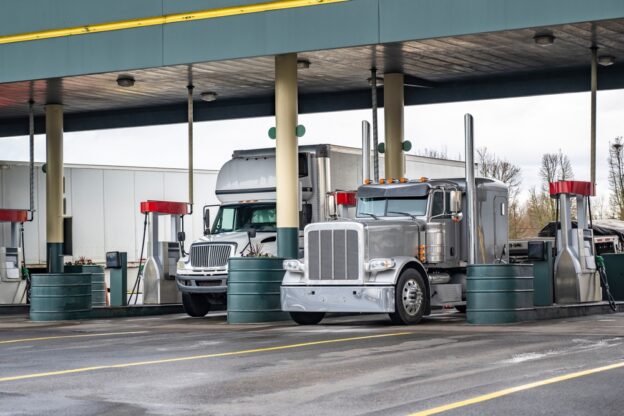
    New truck fleet is parking in the Gasoline station at the background.

    10 Fleet & Fuel Management Best Practices

    Managing a small trucking fleet looks simple on paper. Keep the trucks moving and fuel in the tanks. But behind the wheel is a constant push and pull between rising costs, tight delivery windows, and driver retention. What works one month might fall short the next. Stronger fleet management practices create breathing room in a business where margins move fast.

    1. Set Clear Goals for Your Fleet

    Without clear targets, it’s easy to lose sight of what success looks like. Fleet owners often juggle short-term survival and long-term growth, but aligning day-to-day decisions with specific goals brings structure to that pressure.

    Define what matters most, such as lowering fuel spend, speeding up delivery times, or reducing breakdowns. Then track progress over time. These benchmarks help guide purchases, staffing, routing, and maintenance schedules.

    Goals don’t have to be complicated to be useful. Even simple metrics like cost per mile or delivery turnaround can help your team stay focused and make smarter decisions.

    2. Invest in Preventive Maintenance

    Unexpected repairs ripple through the entire operation, creating delays, tightening driver schedules, and adding pressure to already thin margins. A consistent preventive maintenance schedule helps avoid those disruptions and keeps trucks operating at their best.

    Regular oil changes, tire rotations, fluid replacements, brake checks, and electrical inspections all contribute to fewer breakdowns and better performance. Logging maintenance for each vehicle makes it easier to stay ahead of issues before they become expensive.

    Small, consistent checks may not seem urgent in the moment, but they can prevent major setbacks and keep trucks running smoothly over the long haul.

    3. Monitor Fuel Usage Closely

    Fuel is one of the largest and most unpredictable expenses in fleet operations. Monitoring usage closely helps identify waste, spot trends, and highlight driver behaviors that may reduce efficiency.

    Tracking fuel consumption by truck, route, or driver reveals patterns that would otherwise go unnoticed. Over time, this data helps owners make better decisions about vehicle upgrades, route changes, and training needs. Even small improvements in fuel efficiency can lead to significant savings across the entire fleet.

    Consider integrating telematics or GPS tools that track fuel reports, idle time data, and real-time alerts. The more visibility you have, the easier it becomes to control costs and drive smarter results.

    4. Reduce Idle Time

    Idling burns fuel and puts extra strain on the engine. Across a fleet, even a few unnecessary minutes at each stop can add up fast. Reducing idle time starts with awareness and consistent habits. Less idling leads to lower fuel costs and longer-lasting equipment.

    Effective strategies include:

    • Training drivers on when to shut off the engine
    • Using GPS data to monitor idle patterns
    • Setting clear idle time limits
    • Automating shutdown systems in newer trucks
    • Parking in locations that reduce wait times
    • Staging freight to avoid delays at pickup or delivery

    5. Optimize Routes for Efficiency

    Routing isn’t just about finding the shortest distance. Traffic patterns, road conditions, delivery windows, and fuel stops all factor into how efficient a route really is. Regularly reviewing and adjusting routes helps reduce delays, save fuel, and make better use of driver hours.

    Route optimization software can simplify this process, but even manual checks can uncover ways to refine planning. When each mile counts, smarter planning makes a real difference in how smoothly and cost-effectively a fleet operates.

    Consider weather forecasts, construction zones, and regional traffic restrictions. Small planning decisions made before the trip often prevent major delays and wasted time on the road.

    6. Use Fuel Cards with Real-Time Tracking

    Fuel cards do more than pay at the pump. When paired with real-time tracking, they give fleet owners better control over spending and fuel use. This added visibility helps catch fraud, monitor driver behavior, and improve reporting accuracy.

    Benefits of real-time fuel card tracking:

    • See purchases as they happen
    • Set limits by driver, location, or dollar amount
    • Track MPG trends by vehicle
    • Simplify IFTA and tax reporting
    • Flag unusual or unauthorized transactions quickly
    • Reduce out-of-route fueling and unnecessary detours

    7. Hire and Retain Quality Drivers

    Driver turnover takes a toll on every part of a fleet. Constant hiring disrupts schedules, increases costs, and slows momentum. Investing in the right drivers from the start saves time and money over the long run.

    Clear expectations, competitive pay, and consistent communication all help build a more stable team. Recognizing good performance and offering paths for growth can also strengthen retention. Regular check-ins build trust and catch small issues before they become bigger problems.

    When drivers feel supported and respected, they’re more likely to stay, take care of equipment, and represent the company well on every route.

    8. Manage Tire Health

    Poor tire maintenance can lead to blowouts, downtime, and higher fuel consumption. Staying ahead of tire issues keeps trucks safer and more efficient on the road.

    Smart tire management practices include:

    • Checking pressure regularly and adjusting for load
    • Rotating tires based on mileage and wear patterns
    • Inspecting tread depth and sidewalls for damage
    • Tracking tire lifespan and performance by unit
    • Replacing tires before they affect handling or safety
    • Aligning axles to prevent uneven wear and extend tire life

    9. Analyze Your Fleet’s Data

    Modern fleets generate a steady flow of information. Fuel usage, maintenance records, idle time, routing patterns, and driver behavior all reflect how well the operation is performing. The challenge is knowing what to look for and how to apply it.

    Reviewing data regularly helps spot inefficiencies, reduce costs, and prevent future problems. Patterns often reveal issues before they become expensive setbacks.

    Even small improvements in how data is tracked or interpreted can create real gains in performance. Over time, a data-driven approach builds a stronger, more responsive operation that’s easier to manage.

    10. Keep Cash Flowing with Freight Factoring

    Slow payments can put pressure on every part of a fleet, from fuel and maintenance to payroll and insurance. Freight factoring gives carriers access to cash from delivered loads without waiting 30, 60, or even 90 days for payment.

    This kind of stability helps fleets stay on the road and avoid high-interest loans or credit card debt. Reliable cash flow also creates space to plan ahead, invest in equipment, and take on more freight opportunities without delay or added stress.

    Factoring can also help smaller fleets compete with larger carriers by giving them faster access to working capital when it matters most.

    If steady cash flow is a priority, reach out to Advanced Commercial Capital to start the conversation.