
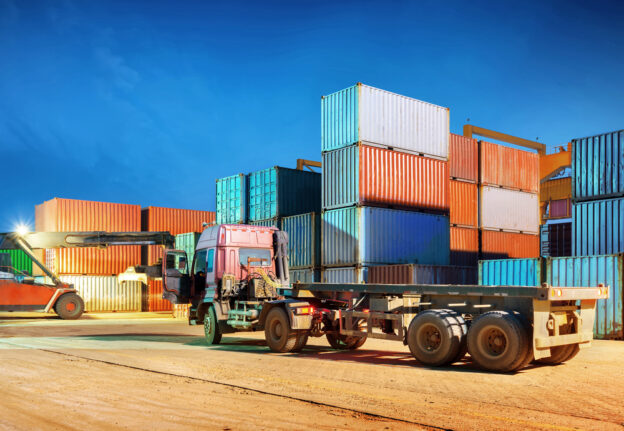
Shipping freight rarely moves in a single, uninterrupted line from origin to final destination. Along the way, loads stop at ports, rail hubs, and terminals where timing, coordination, and quick turnarounds shape what happens next. These short-distance moves often stay in the background compared with long-haul routes, yet they come with their own pressures. Understanding drayage clarifies how this part of trucking keeps freight flowing on tight schedules.
What is a Drayage Carrier?
A drayage carrier handles short-distance freight moves, usually between ports, rail yards, warehouses, and distribution centers. These runs form one link in a longer shipping chain, connecting different transportation modes so freight keeps moving from stage to stage.
This type of work usually happens within a tight geographic area and on compressed timelines. Schedules depend on port hours, container cutoffs, and coordination with brokers and shippers. The work relies on efficiency, clear communication, and consistent turnaround across multiple stops in busy freight corridors. For many small fleets and owner-operators, this segment offers a steady flow of local loads and the chance to build long-term relationships within regional freight networks.
Types of Drayage Services
Short-haul moves can take several forms, each tied to a specific point in the shipping cycle. The mix of work depends on location, freight volume, and relationships with ports or rail providers.
Common types include:
- Port drayage, moving containers between seaports and nearby warehouses or terminals
- Intermodal drayage, shifting freight between rail yards and distribution centers
- Intra-carrier drayage, moving freight within the same carrier’s network over shorter distances
- Expedited drayage, handling time-sensitive loads with tight appointment windows
- Shuttle drayage, repositioning containers between nearby facilities to relieve congestion
Each category comes with its own scheduling pressures, equipment needs, and coordination requirements across the parties involved in daily freight movements.
How Drayage Operations Work
Operations move quickly and depend on tight coordination among terminals, brokers, and trucking companies. A typical trip starts when a container arrives at a port or rail yard and must move to a warehouse or distribution center close by. Timing revolves around appointment windows, terminal congestion, and when containers clear for pickup.
Drivers often complete several short runs in a day. That keeps trucks busy but also increases pressure around scheduling and turn times. A delay at one stop can ripple through the rest of the day and cut into overall productivity. To keep operations stable, many companies prioritize reliable cash flow. Factoring services can help cover ongoing expenses while freight continues to move.
Equipment and Requirements for Drayage Carriers
This segment operates in fast-paced environments where the right preparation keeps freight flowing and yard time under control. Because routes are short and frequent, reliability, quick cycle times, and minimal downtime matter a great deal.
Typical equipment and requirements include:
- Day cab trucks suited for short-haul routes without sleeper units
- The correct chassis for container sizes and load types
- TWIC cards and port credentials for access to secured terminals
- Current registration, permits, and safety compliance documentation
- Strong fuel management practices to control costs on frequent stop-and-go trips
Well-maintained equipment and organized paperwork help companies remain active in busy port and rail markets while avoiding unplanned outages and last-minute compliance issues.
Challenges Drayage Carriers Face
Carriers working in this space operate where small setbacks can affect an entire day’s lineup of loads. Tight schedules and outside factors combine to create pressure that is not always within anyone’s control.
Common challenges include:
- Port congestion that leads to long wait times and, at times, missed appointments
- Limited appointment slots that make planning tricky
- Detention and demurrage fees increase costs when delays occur
- Frequent stop-and-go driving adds wear and tear to trucks and chassis
- Slow payments from brokers or shippers that strain cash flow
These issues can build over time and affect consistency, long-term planning, and the ability to keep trucks moving at a steady pace while dealing with rising expenses and strict delivery expectations across many facilities.
Why Cash Flow is Critical in Drayage
This type of operation often runs on thin margins and fast-moving schedules, which puts constant attention on cash flow. Regular expenses such as fuel, maintenance, port fees, and insurance come due every day, while payments from brokers or shippers may not arrive for several weeks.
This lag makes it harder to cover ongoing costs, particularly for growing fleets or single-truck operations. Payroll funding becomes a central concern because drivers still need timely paychecks even when invoices remain outstanding.
Stable cash flow keeps bills current, trucks working, and daily operations on track. It also helps prevent interruptions that can slow growth, limit scheduling options, and add financial strain across the business.
How Factoring Helps Drayage Carriers Stay Competitive
Many carriers in this segment handle several loads per day, yet payment for those runs may not show up for weeks. That delay can create pressure when covering fuel, repairs, fees, and other regular costs.
Freight factoring for trucking companies solves this gap by turning unpaid invoices into fast working capital. Instead of waiting on broker payments, companies receive funds more quickly and keep freight moving without cash-related slowdowns.
More consistent cash flow supports on-time schedules, timely payment of recurring expenses, and stronger relationships with brokers. It also puts drayage companies in a better position to accept new opportunities in active freight markets and pursue growth with less financial uncertainty.
Is Drayage Right for Your Trucking Business?
This type of work can be a strong fit for carriers looking to stay local and keep trucks moving with frequent, short-haul loads. It often appeals to owner-operators who are starting a trucking company and want consistent work within a defined region. At the same time, factors like port access, scheduling demands, and equipment needs should be considered alongside the cost of starting a trucking company.
For those willing to manage tight timelines and high activity, this segment can create steady opportunities and long-term relationships within local freight networks. Advanced Commercial Capital works with carriers building in this space. To learn more about maintaining steady cash flow as you grow, contact us today to get started.
Drayage Carrier FAQs
What’s the difference between drayage and long-haul trucking?
Drayage covers short-distance freight moves, usually between ports, rail yards, warehouses, and distribution centers. Long-haul routes cover much greater distances, while drayage runs happen within a tight geographic area on compressed, appointment-driven timelines.
What equipment do I need to operate as a drayage carrier?
Most drayage carriers run day cab trucks without sleeper units, paired with the correct chassis for their container sizes and load types. You’ll also need TWIC cards and port credentials for secured terminal access, current registration and permits, and strong fuel management practices for frequent stop-and-go trips.
What are the different types of drayage services?
Common types include port drayage (moving containers between seaports and nearby facilities), intermodal drayage (between rail yards and distribution centers), intra-carrier drayage (within the same carrier’s network), expedited drayage (time-sensitive loads), and shuttle drayage (repositioning containers between nearby facilities).
What causes the most delays for drayage carriers?
Port congestion, limited appointment slots, and detention or demurrage fees are the biggest sources of delay. Frequent stop-and-go driving also adds wear on trucks and chassis, and slow payments from brokers or shippers can compound the pressure on day-to-day operations.
Why is cash flow such a big challenge in drayage trucking?
Drayage often runs on thin margins with daily expenses like fuel, maintenance, port fees, and insurance, while payments from brokers or shippers can take weeks to arrive. That lag makes it harder to cover ongoing costs, especially for growing fleets or single-truck operations.
How does factoring help drayage carriers?
Factoring turns unpaid invoices into fast working capital instead of waiting weeks on broker payments. That steadier cash flow supports on-time schedules, keeps recurring expenses covered, and strengthens relationships with brokers.