
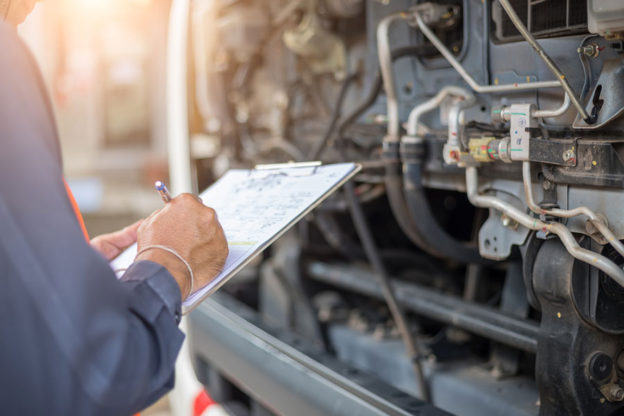
Commercial semi truck maintenance helps reduce breakdowns, lower operating costs, improve road safety, and keep trucks compliant with DOT inspection standards. While regular inspections and scheduled service take time, they often cost far less than roadside repairs, missed loads, or extended downtime. The checklist below covers the maintenance tasks that help owner-operators and fleets keep their trucks running reliably throughout the year.
1.) Fewer Unexpected Breakdowns
Regular commercial truck maintenance reduces the risk of unexpected breakdowns. Time spent on routine inspections and minor repairs is often far less costly than extended downtime, emergency roadside service, or major component failures. Breakdowns can also disrupt schedules, delay shipments, and strain customer relationships. Addressing small issues early helps keep trucks on the road and prevents minor repairs from becoming much larger expenses.
2.) Fewer Accidents on the Road
Routine maintenance does more than help a truck pass inspection. The FMCSA and NHTSA’s Large Truck Crash Causation Study found brake problems in about 29% of crash-involved trucks and tire problems in about 6%. Trucks with these defects had a higher relative risk of being assigned the crash’s critical reason.
Those same components continue to top inspection violations today. During the CVSA’s 2025 International Roadcheck, brake-related violations accounted for 41.1% of all vehicle out-of-service violations, while tire violations made up 21.4%. The maintenance checklist below focuses on these systems because they are tied to both roadway safety and keeping trucks in service.
3.) Reduced Operating Cost

Routine maintenance can help lower operating costs in several ways. Catching small issues before they become major repairs helps reduce expensive breakdowns, while properly maintained trucks often use fuel more efficiently and may contribute to lower insurance costs. Maintenance-related violations can also affect a carrier’s FMCSA safety data, which may influence how brokers, customers, and insurers evaluate the business. Extending the life of major components also helps maximize the return on a truck’s original investment. Together, those savings can strengthen cash flow and leave more room in the budget for other operating expenses.
4.) Increased Customer Satisfaction
Unexpected breakdowns can disrupt schedules and lead to delayed deliveries, making it harder to meet customer expectations. Over time, inconsistent service may damage client relationships and lead customers to look elsewhere. Keeping trucks well-maintained helps promote more reliable deliveries, strengthening trust and encouraging repeat business.
5.) Staying DOT and CVSA Compliant
Routine maintenance helps trucks meet FMCSA inspection standards and reduces the risk of out-of-service violations during roadside inspections. Paying close attention to brakes, tires, lights, steering, suspension, and other safety components can help identify issues before they lead to costly delays. Following a consistent maintenance schedule also makes it easier to stay prepared for inspections conducted under the CVSA’s North American Standard Out-of-Service Criteria.
Your Commercial Semi Truck Maintenance Checklist
A consistent maintenance routine helps reduce downtime, improve reliability, and prepare trucks for inspections. Breaking inspections into daily, scheduled, and seasonal tasks makes it easier to stay on top of routine service.
Pre-Trip Checklist
Before every trip, inspect the truck for issues that could lead to a breakdown or out-of-service violation.
- Check tire pressure, visible damage, and tread depth. FMCSA requires at least 4/32-inch tread depth on steer tires and 2/32-inch on all other tires.
- Inspect oil, coolant, fuel, and other fluids for leaks or low levels.
- Test service and parking brakes, air pressure, and warning alarms.
- Check headlights, brake lights, turn signals, clearance lights, and electrical connections.
- Inspect air hoses and electrical lines between the tractor and trailer for leaks, rubbing, or visible damage.
- Confirm the fifth wheel, locking jaws, slider pins, and coupling connections are secure.
- Check mirrors, windshield, and wipers for damage or poor visibility.
Scheduled Maintenance
In addition to pre-trip inspections, schedule routine service based on manufacturer recommendations and operating conditions.
- Change engine oil and filters.
- Inspect transmission, cooling, and fuel systems.
- Service the exhaust and aftertreatment system according to manufacturer intervals.
- Check belts, hoses, batteries, engine mounts, and driveline components.
- Inspect brakes, steering, suspension, tires, wheels, and rims.
- Clean and lubricate the fifth wheel and inspect coupling components.
- Examine the frame, lights, glass, wipers, horn, and seat belts.
- Document completed maintenance and reported defects.
Seasonal (Summer/Winter) Checks
Changing weather creates additional demands on commercial trucks.
Summer: Inspect the cooling system, radiator, coolant pressure, and water pump to help prevent overheating.
Winter: Check coolant levels, engine heaters, glow plugs, batteries, tires, heated mirrors, and the exhaust system before cold-weather driving.
How Factoring Helps Cover Surprise Repair Costs
Even the best maintenance plan cannot prevent every roadside repair. A blown tire, failed alternator, or unexpected engine issue can take a truck off the road and create an immediate expense long before a broker pays an outstanding invoice.
Advanced Commercial Capital’s non-recourse freight factoring helps bridge that gap by turning eligible unpaid invoices into fast cash. Instead of waiting 30 to 60 days for payment, factoring clients can access funds sooner to cover repairs, fuel, payroll, and other operating expenses, helping trucks get back on the road faster.
If delayed invoice payments are making it harder to cover repair costs, apply for Advanced Commercial Capital’s freight factoring program to see how faster funding can help keep your trucks moving.