
Monthly Archives: July 2025

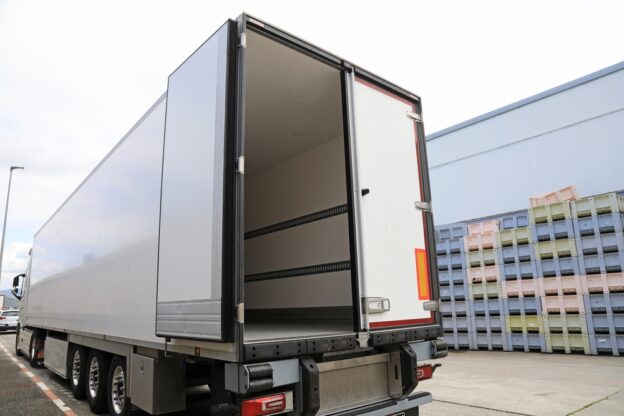
The inside of a refrigerated truck.

How Refrigerated Trucking Works

Refrigerated trucking keeps temperature-sensitive freight moving across long distances in all conditions. These specialized freight trucks, known as reefers, are key to hauling perishable cargo like meat, dairy, produce, seafood, and pharmaceuticals.

Most cold-storage freight can’t make the trip without them. Reefer operators face tighter delivery windows, strict temperature control, and added responsibility. It isn’t easy work, but the payoff can be steady freight, higher rates, and competitive trucker pay.

For small carriers, knowing how refrigerated trucking operates can lead to more consistent income and stronger ties with freight brokers, which can translate into better pay for different types of hauls,

A Brief History of Reefer Trucks

The concept of refrigerated trucking began in the early 1900s with insulated railcars packed with ice. As road transportation expanded, the need for mobile refrigeration grew.

In the 1930s, the first mechanically cooled trucks appeared, using bulky ice-based systems or basic cooling units. By the 1940s, diesel-powered reefer units had become more common. Thermo King, one of the early innovators, helped set the standard for temperature-controlled transport.

Over time, reefer trucks became more efficient and reliable. Today, they are a specialized part of freight logistics, serving high-demand markets nationwide.

How Refrigerated Trucks Work

Refrigerated trucks keep cargo at a controlled temperature throughout the trip. The trailer, or reefer, is insulated and equipped with a self-powered refrigeration unit.

These units run on diesel and can cool, freeze, or heat the trailer depending on the freight’s needs. Cold air moves from the front of the trailer and returns through the back in a continuous loop.

Most reefers use aluminum floors with grooves that help distribute air evenly. Pre-cooling, accurate temperature settings, and regular maintenance help keep loads within safe ranges during transport.

Common Industries That Rely on Refrigerated Trucking

Many industries depend on refrigerated trucking to move goods safely. The food industry uses reefers to transport produce, dairy, seafood, meat, and frozen meals. Grocery chains and restaurants depend on these shipments to keep shelves stocked and kitchens running.

The pharmaceutical sector uses reefers to ship medicines, vaccines, and other temperature-sensitive products. Florists and nurseries move plants and flowers in temperature-controlled trailers to preserve quality during transit.

Even the chemical industry uses refrigerated transport for products that must stay within a specific range to remain stable. In all cases, reliable temperature control protects the shipment’s value.

Types of Refrigerated Freight

Refrigerated freight includes products that require specific temperature settings. Fresh produce often travels between 32 and 55 degrees to maintain quality. Frozen foods are kept at zero degrees or below.

Meat, poultry, and seafood have strict temperature requirements for safety and freshness. Dairy products, including milk, cheese, and yogurt, must stay cool to preserve taste and texture.

Pharmaceuticals may require a narrow range, sometimes just a few degrees, to remain effective. Certain chemicals, adhesives, and even fine art shipments also move in reefers to prevent heat or cold damage.

Key Components of a Reefer Trailer

A reefer trailer is built to maintain a stable internal climate for sensitive freight. The refrigeration unit, powered by a small diesel engine, regulates cooling, heating, and airflow.

Insulated walls, ceiling, and floor help reduce temperature fluctuations. Aluminum or stainless steel flooring with channels allows air to circulate under and around the cargo. Adjustable vents and bulkheads direct airflow to match the load type.

Many reefers have a separate fuel tank for the refrigeration unit, allowing it to operate independently of the truck’s engine. Together, these components protect the shipment from pickup to delivery.

Temperature Control and Monitoring

Successful refrigerated trucking relies on precise temperature control. Before loading, the trailer is pre-cooled to the exact setting for the cargo.

Modern units let drivers adjust temperatures digitally, often in single-degree increments. Sensors track conditions in real time and send alerts if the temperature drifts outside the safe range. Some systems allow remote monitoring so both carriers and shippers can check the load’s status.

Keeping accurate temperature records protects shipments and supports compliance with customer and regulatory requirements.

The Role of Regulations in Reefer Trucking

Refrigerated trucking must meet strict regulations to protect public health and product quality. The Food Safety Modernization Act (FSMA) sets standards for the sanitary transportation of food, including proper equipment, temperature control, and recordkeeping.

Drivers and carriers must follow shipper’s instructions for loading, unloading, and maintaining the specified temperature. The USDA and FDA provide additional rules for certain products such as meat, seafood, and dairy.

Compliance not only avoids penalties but also strengthens relationships with shippers who value reliable carriers.

Pros & Cons of Refrigerated Trucking

Pros

  • Steady demand, since perishable goods move year-round
  • Higher rates compared to many dry van loads, which can improve overall driver salary
  • Opportunity to build long-term relationships with shippers and brokers
  • Access to specialized freight markets that can provide consistent income

Cons

  • Higher operating costs due to refrigeration fuel, maintenance, and parts
  • Expensive repairs if the refrigeration unit breaks down
  • Greater risk of cargo loss during equipment failure
  • Stricter scheduling requirements that can mean night or early morning deliveries
  • Constant need to manage precise temperature control without mistakes

Best Practices for Running a Successful Reefer Operation

Strong reefer operations start with well-maintained equipment. Regular inspections of the refrigeration unit, insulation, and trailer doors reduce the risk of breakdowns.

Pre-cooling the trailer to the correct temperature before loading protects cargo. Leaving space for airflow during loading helps maintain even temperatures. Drivers should monitor readings throughout the trip and keep detailed records.

Planning routes to allow for reefer fuel stops prevents unexpected shutdowns. Open communication with shippers and receivers keeps schedules tight and reduces delays.

How Factoring Can Help Reefer Trucking Companies

Reefer trucking can provide steady freight, but payments from brokers or shippers may take weeks. Factoring offers same-day or next-day payment on delivered loads, creating steady cash flow for fuel, payroll, maintenance, and insurance.

For refrigerated carriers, quick funding is valuable for handling higher operating costs and emergency repairs. At Advanced Commercial Capital, factoring has no setup fees or long-term contracts, making it easier for small carriers to stay operational.

Reliable funding supports both daily operations and long-term growth in the refrigerated freight market. Get started today by requesting a quote and keep your reefer business moving without payment delays.

A shuttle truck driver.

Understanding Shuttle Truck Drivers

Shuttle trucking plays a unique role in the transportation industry, connecting goods between locations that are often just a few miles or hours apart. Instead of hauling freight across the country, these drivers focus on shorter, repeated routes that keep supply chains moving smoothly.

This kind of work often appeals to drivers who want more predictable schedules and regular time at home. Shuttle routes keep production lines stocked, maintain steady inventory levels, and support timely deliveries, making them a key link in many business operations.

What Is Shuttle Trucking?

Shuttle trucking involves moving freight over short, repetitive routes, often between two fixed points. These routes can be within the same city or span a short regional distance.

A shuttle truck driver may transport goods from a warehouse to a distribution center or between manufacturing facilities that operate on tight schedules. The work usually focuses on efficiency and quick turnaround times rather than long-distance travel.

Many shuttle operations run on set schedules, which allows carriers to better plan driver shifts and equipment use. This model supports faster delivery cycles and helps companies keep their supply chain running without unnecessary delays. Advanced Commercial Capital works with shuttle carriers to help maintain the steady cash flow needed for these fast-paced operations.

A Day in the Life of a Shuttle Truck Driver

A shuttle truck driver typically starts the day with a pre-trip inspection, checking tires, brakes, lights, and load security. Once the truck is ready, the driver begins moving freight between designated locations, often making several trips on the same route.

The work involves frequent loading and unloading, either by the driver or warehouse staff, and maintaining communication with dispatch to track progress. Because the routes are predictable, drivers often work consistent hours and return home at the end of their shift.

The pace can be steady but repetitive, requiring focus, safe driving habits, and attention to schedules throughout the day.

Key Differences Between Shuttle Trucking and Over-the-Road (OTR) Trucking

Shuttle trucking focuses on short, repeated routes, while OTR trucking covers long distances across multiple states. OTR drivers may spend days or weeks on the road, often sleeping in their trucks, whereas shuttle drivers usually return home daily.

Freight in shuttle operations moves quickly through a supply chain, often as part of a just-in-time delivery system. OTR freight typically involves fewer stops but much longer travel times.

Equipment use can differ as well, with shuttle routes relying on tractors that may stay within a terminal’s operating range. These differences impact driver lifestyle, scheduling, and the type of freight each role handles.

Common Industries That Use Shuttle Truck Drivers

Many sectors rely on shuttle truck drivers to keep goods moving smoothly. Manufacturing plants often use shuttle routes to transport raw materials between facilities or to deliver finished products to nearby warehouses.

Retail distribution centers depend on them to move inventory to local stores or cross-dock hubs. Grocery and food service companies use shuttle operations to maintain steady deliveries of perishable items.

Ports and rail yards also employ shuttle drivers to transfer containers to staging areas or nearby warehouses. These short-haul movements support fast turnaround times and help businesses avoid costly delays in production, stocking, or customer delivery schedules.

Local vs. Regional Shuttle Routes

Local shuttle routes usually operate within a single city or metropolitan area, allowing drivers to complete multiple trips during a shift and return home daily. These runs often involve transporting freight between warehouses, factories, and retail locations just a few miles apart.

Regional shuttle routes cover a broader area, sometimes spanning several hundred miles within a single state or across nearby states. Drivers on regional routes may still get home most nights but could have slightly longer shifts or occasional overnight stays.

Both types of routes offer more predictable schedules than long-haul trucking while keeping freight moving quickly through supply chains.

Pros & Cons of Being a Shuttle Truck Driver

Pros

  • Consistent schedules that often allow drivers to be home daily.
  • Shorter routes that reduce time away and limit equipment wear.
  • Familiarity with routes, customers, and loading locations can lower stress.
  • Competitive pay structures with opportunities for overtime and benefits.
  • Steady work that can help new drivers build experience without long-haul travel demands.

Cons

  • Repetitive routes may feel monotonous over time.
  • Frequent loading and unloading can be physically demanding.
  • Tight schedules that leave little room for delays or unexpected issues.
  • Lower mileage pay compared to some over-the-road positions.
  • Limited variety in scenery and travel experiences.
  • Potential for split shifts or early morning/late-night hours, depending on customer needs.

Who Should Consider a Career in Shuttle Trucking?

A shuttle trucking career can be a good fit for drivers who value predictable schedules and want more time at home. It works well for those who prefer familiar routes and consistent interaction with the same facilities and customers.

Drivers who enjoy working at a steady pace, handling frequent pickups or drop-offs, and contributing to the smooth flow of a supply chain may find this role rewarding.

It can also suit newer drivers looking for experience in a structured setting or experienced drivers seeking a change from long-haul demands. Advanced Commercial Capital understands these unique career goals and provides financial tools that help small carriers succeed in this type of work.

How Shuttle Trucking Impacts Fleet Operations

Shuttle trucking can increase fleet efficiency by keeping trucks and drivers in constant motion on short, high-frequency routes. This setup allows companies to maximize equipment utilization and reduce downtime between loads.

Predictable schedules help dispatch teams plan shifts more effectively, minimizing empty miles and fuel waste. Shuttle operations also make it easier to coordinate maintenance since trucks return to a central location regularly.

For fleets serving manufacturing, retail, or distribution, these routes help maintain steady inventory flow and meet tight delivery windows. The consistent nature of shuttle work can lead to stronger customer relationships and more reliable service performance.

Factoring Solutions for Shuttle Trucking Companies

Shuttle trucking companies often face steady expenses, even when waiting on customer payments. Factoring can convert unpaid invoices into immediate working capital, helping cover fuel, payroll, maintenance, and insurance costs without delays.

For operations completing multiple short hauls daily, quick access to funds keeps routes on time and trucks ready for the next load.

Advanced Commercial Capital offers factoring programs designed for trucking companies nationwide, with no setup fees and no long-term contracts. These solutions make it easier for shuttle carriers to handle daily expenses, take on more routes, and keep their business moving forward.

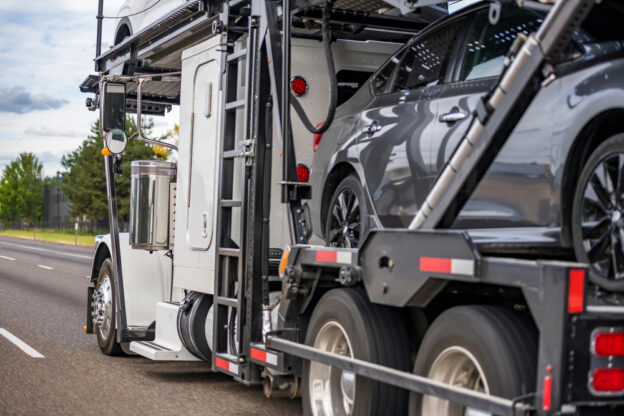
semi truck hauling cars

Car Hauling Pay: Average Earnings & Top Factors

Car hauling is one of the more specialized niches in trucking. It offers steady demand, decent rates, and a unique set of challenges. But how much do car haulers make, and is it worth stepping into this part of the industry? Some drivers move single units over short distances. Others haul full trailers across multiple states. Each setup comes with different pay expectations and operating costs.

What Is Car Hauling?

Car hauling involves transporting vehicles from one location to another using a specialized trailer. Most car haulers use open or enclosed multi-car carriers that can load between 3 and 10 vehicles at a time. Jobs can range from dealership-to-dealership deliveries to auction runs or private transports. Some drivers work regionally while others operate nationwide, depending on the type of equipment and the carriers or brokers they partner with.

This niche requires more attention to loading and securing freight. Damage prevention is a priority, and proper tie-downs, inspections, and route planning all play a role in safe, efficient delivery.

How Much Do Car Haulers Make?

So, how much do car haulers make on average? Most drivers in this niche earn between $65,000 and $110,000 per year, though some owner-operators report earnings well above that range. Pay depends heavily on how often you run, what kind of vehicles you’re moving, and the types of loads you take. Long-haul routes usually pay more than local jobs, but they also come with higher fuel costs and more time on the road.

Drivers hauling luxury cars or using enclosed trailers often earn more per load. However, they also face longer load times and higher equipment costs. The tradeoff can still be worth it if you’re running consistent freight and keeping downtime low.

Key Factors That Affect Car Hauler Pay

Several things influence what a car hauler can expect to earn. The type of trailer you run plays a big role. Enclosed trailers typically command higher rates, but they also require more investment and experience.

Route length and lane preferences matter too. Hauling cars across the country brings in more per load compared to regional runs, but it also increases expenses.

Experience also impacts pay. Shippers and brokers often offer better rates to drivers with a strong record of safe, on-time deliveries. Seasonal demand can cause rates to fluctuate depending on the region. The right endorsements and insurance coverage can also open the door to more profitable freight.

Hidden Costs That Impact Take-Home Pay

Gross earnings don’t tell the whole story. Car haulers face a number of expenses that cut into profit. Fuel, maintenance, and insurance are just the start. Tires wear faster under heavy loads, and repairs on specialized equipment can get expensive quickly.

If you’re leasing a trailer or financing your truck, monthly payments can eat up a big chunk of revenue. Don’t forget tolls, permits, and downtime between loads. These hidden costs add up fast and can make the difference between a solid income and a tight margin.

How Car Haulers Get Paid

Car haulers typically get paid per mile or per load. Some receive weekly settlements directly from brokers or shippers. Others use factoring to speed up cash flow. The method you choose can affect how quickly you get paid and how much you keep.

Per Mile vs. Per Load

Pay per mile offers predictable income, especially on longer routes. However, per-load payments can be higher for short hauls or specialized vehicles. The best option depends on your business model and how often you want to turn over loads.

Weekly Settlements vs. Factoring

Weekly settlements are standard in many broker agreements, but waiting a week or more for payment can create cash flow gaps. Factoring gives drivers access to their money within 24 hours. Companies like Advanced Commercial Capital help cover fuel, insurance, and other costs without long delays or complicated contracts.

Working with Brokers vs. Direct Shippers

Brokers make it easier to find loads, but they take a cut of the pay. Direct shippers often pay more, though it takes time to build those relationships. Many haulers use both, balancing steady volume from brokers with higher-paying freight from trusted shippers.

Boosting Your Car Hauling Income

Increasing your earnings in car hauling often comes down to efficiency and smart decision-making. Choosing the right lanes, minimizing deadhead miles, and loading multiple vehicles on each trip all help raise your take-home pay.

Investing in dependable equipment reduces downtime and keeps maintenance costs lower over time. Some haulers also add enclosed trailers or upgrade to higher-capacity rigs to charge premium rates.

Building direct relationships with repeat customers can lead to more consistent loads at better prices. Having access to fast funding through factoring can help you take on more work without waiting on slow-paying brokers.

Is Car Hauling Worth It?

Car hauling can be a rewarding niche for the right driver. It offers solid pay, variety in daily work, and the chance to run your own operation. But it also comes with unique pressures, from specialized equipment costs to tight delivery schedules.

Pros and Cons

Pros:

  • Higher average pay compared to many other trucking jobs
  • Steady demand, especially from dealerships and auctions
  • Opportunities for owner-operators to build direct customer relationships

Cons:

  • Expensive equipment and higher insurance premiums
  • Time-sensitive deliveries require strict scheduling
  • Load and unload times can be longer than other freight types

Who Car Hauling Is Best Suited For

This line of work is a good fit for drivers who take pride in careful handling, want to maximize earnings, and don’t mind a more hands-on routine. If you’re detail-oriented, own quality equipment, and are ready to manage your business proactively, car hauling can offer a strong income and long-term potential.

Key Takeaways

Car haulers usually earn between $65,000 and $110,000 per year, depending on routes, equipment, and how they get paid. Staying efficient and keeping cash flowing are key to long-term success.

If you’re ready to grow your car hauling business, apply with Advanced Commercial Capital. No setup fees, no long-term contracts.