Monthly Archives: October 2025

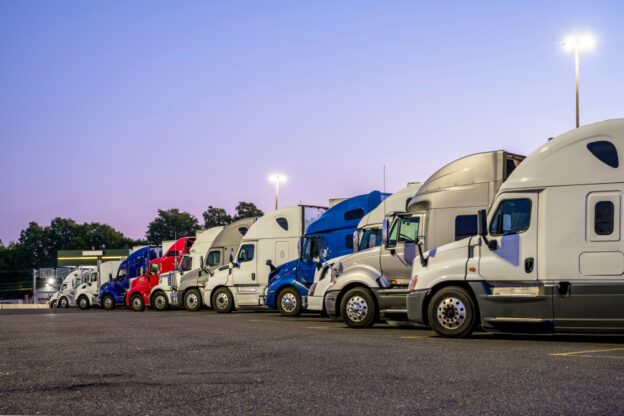
A fleet of trucks.

How to Scale Your Trucking Business from a Truck to a Fleet

Going from one truck to a fleet takes more than hard work. Growth at this level calls for financial planning, dependable systems, and the right partnerships to help you stay profitable while expanding your operation the right way.

Lay the Right Foundation

Scaling starts with structure. Before you think about more trucks or more loads, confirm your business model, compliance, and goals are solid enough to support long-term growth.

Understand Your Business Model

A clear business model shapes every decision you make. Are you focused on local freight, long-haul routes, or niche loads? Know what types of shippers you want to work with, how you’ll price your services, and what makes your operation competitive. If your current setup isn’t built for scale, consider adjusting how you handle dispatch, billing, and route planning before you grow.

Know the Difference: Interstate vs. Intrastate Trucking

Your authority type impacts your business structure, insurance, and compliance requirements. Expanding without understanding these differences can lead to expensive delays and missed opportunities.

  • Interstate trucking involves crossing state lines and requires a federal operating authority (MC number).
  • Intrastate trucking operates within one state and is governed by state-level rules.

Verify your registration, insurance, and permits fully match the routes and freight you plan to handle.

Legal & Compliance Considerations Before You Grow

Growth brings more attention from regulators, so your paperwork needs to stay sharp and accurate. Before adding trucks or drivers, confirm that your DOT and MC numbers are active, your insurance meets minimums for expanded operations, and your drug and alcohol testing program is in place. Keep safety scores in check and stay current on UCR filings, IFTA reporting, and driver qualification files. Carrier packets should also be complete and professional to speed up onboarding with new brokers or shippers.

Build a Strong Financial Backbone

Scaling your trucking business means bigger fuel bills, higher payroll, and more equipment to maintain. You need a steady cash flow and financial systems built to handle the pressure of growth.

The Cash Flow Challenge in Growing Fleets

Running a larger fleet can stretch your budget fast. Fuel, maintenance, insurance, and driver pay often come due before you’re paid for completed loads. Gaps between delivering freight and collecting payment can stall growth or force you to take on expensive debt. Tracking expenses daily and planning for slow pay cycles helps, but most growing carriers need outside solutions to keep money flowing as they scale.

How Factoring Services Support Fleet Expansion

Factoring gives carriers access to funds without waiting 30 or more days for payment. Instead of chasing invoices, you get cash upfront to cover fuel, repairs, and payroll. This keeps your trucks moving and your operation stable during growth. It’s especially helpful when adding new lanes, taking on larger contracts, or managing a bigger team. Steady cash flow keeps expansion manageable and less risky. Services like freight factoring and quick pay can help fill the gap and reduce pressure during key growth phases.

Choosing the Right Freight Factoring Company

Not all factoring partners bring the same value. Look for a company that specializes in trucking, has no hidden fees, and doesn’t lock you into long-term contracts. Fast funding, flexible terms, and reliable customer service should be standard. A factoring partner should help you save time, reduce stress, and keep your fleet running smoothly without cash flow getting in the way.

Invest in Equipment Strategically

Adding trucks too quickly can create more problems than profits. Focus on timing and reliability. Choose equipment that fits your freight type, fuel strategy, and maintenance budget. Used trucks can be smart if well-maintained and backed by solid records. Don’t forget about trailer types and auxiliary equipment, depending on your freight mix. Buying, leasing, or renting each comes with trade-offs. Run the numbers carefully and choose the option that best fits your goals without straining your cash or credit.

Build a Reliable Team

Hiring the right people matters just as much as adding the right trucks. As you grow, you’ll need drivers who show up, dispatchers who can solve problems quickly, and employees who keep everything running behind the scenes. Competitive pay, clear communication, and fair treatment go a long way in building loyalty. Avoid rushing the hiring process. Bringing in the wrong people can cause delays, raise costs, and make it harder to maintain service quality.

Strengthen Your Trucking Network

Growth gets a lot easier when you’re connected to the right people. Build relationships with brokers, shippers, and other carriers who understand your operation and can bring steady freight opportunities. Join industry associations, attend local events, and stay active in freight boards or online groups. A strong network helps you fill gaps, find better loads, and stay competitive during slow seasons. Don’t underestimate the value of a trusted referral or a well-timed load offer.

Protect What You’re Building

Growth brings risk. Expanding your fleet means more drivers, more trucks, and more exposure. Protecting your business starts with the right insurance and a proactive safety mindset.

Best Commercial Truck Insurance for Fleet Owners

As your fleet grows, your insurance needs change. Standard coverage may not be enough to protect against the added risk of multiple drivers and vehicles. Look for policies that cover cargo, liability, physical damage, and downtime. Work with an agent who understands trucking and can help you avoid coverage gaps. Getting the right plan in place early helps keep your operation protected when something unexpected happens on the road.

Risk Management as Your Fleet Grows

More trucks mean more moving parts, and more opportunities for something to go wrong. Build safety into your daily operations through regular maintenance, driver training, and clear reporting procedures. Track violations and incidents, and address problems quickly before they grow. A strong safety culture protects your fleet, helps lower insurance costs, and builds trust with shippers and brokers.

Plan for Sustainable Growth

Scaling too fast can stretch your resources and hurt service quality. Growth that lasts takes planning. Set clear benchmarks for when to hire, add trucks, or take on new contracts. Watch your profit margins, not just your revenue. Stay flexible so you can adapt when fuel prices rise or freight slows down. The goal isn’t just to grow, but to stay strong while doing it, without losing control of what made your business successful in the first place.

Ready to grow your trucking business with stable cash flow and a trusted financial partner? Request a quote and let Advanced Commercial Capital help you scale with confidence.


A lady who works for the Department of Transportation (DOT).

DOT Compliance Basics for New Trucking Companies

Starting a trucking company takes more than getting trucks on the road. Staying compliant with DOT regulations helps keep your business running smoothly and legally. Getting it right from day one helps avoid penalties, delays, costly mistakes, and other issues that can impact your progress, reputation, and ability to grow over time.

What Is DOT Compliance?

Complying with federal safety rules means following the operational standards set by the U.S. Department of Transportation. These regulations exist to reduce accidents, protect drivers, and keep roadways safe. For trucking companies, that means meeting specific standards for drivers, vehicles, hours of service, drug and alcohol testing, insurance, and more.

Every carrier operating commercial vehicles that transport goods or passengers across state lines must follow DOT rules. That includes filing the right paperwork, keeping records up to date, and passing regular inspections. Failing to meet these requirements can lead to fines, shutdowns, or revoked authority.

Learning these rules early helps new carriers avoid serious missteps. It’s a key part of staying operational, building trust, and running a reliable trucking business.

Who Needs to Comply with DOT Regulations

Any company operating commercial motor vehicles over 10,000 pounds in interstate commerce must follow DOT regulations. That includes owner-operators, small fleets, freight carriers, and even private carriers transporting their own goods. If your trucks cross state lines or haul certain types of freight, you’re expected to meet federal safety standards, including weight limit requirements for each vehicle.

Companies must also register for a DOT Number and, in many cases, a Motor Carrier (MC) authority. These identifiers link your business to compliance records and are used during inspections, audits, and enforcement checks. Even if you only run one truck, you’re still subject to the same rules.

Ignoring these requirements puts your business at risk and can lead to legal trouble, costly delays, and lost opportunities with shippers that expect proper compliance.

How to Ensure DOT Compliance

Meeting DOT expectations takes structure, discipline, and attention to documentation. New carriers need to stay organized, follow federal rules closely, and build habits that keep operations in line with safety standards. These next steps cover the core areas every company must manage.

Get Your Paperwork in Order

Every trucking company must file key documents before hitting the road. This includes registering for a DOT Number and, if required, obtaining Motor Carrier (MC) authority. You’ll also need proof of insurance, a BOC-3 filing for process agents, and an Employer Identification Number (EIN) from the IRS. Keeping copies of these records in both digital and physical formats makes inspections and audits less stressful.

Once active, you’ll need to maintain regular filings such as the Unified Carrier Registration (UCR) and biennial MCS-150 updates. Late or missing documents can lead to fines or deactivation, so set up a calendar to track renewal dates and submission deadlines.

Driver Qualification Requirements

All drivers must meet DOT’s minimum qualifications to operate legally. That includes holding a valid Commercial Driver’s License (CDL), passing a DOT physical, and completing a background check. Carriers must also maintain a Driver Qualification File (DQF) for each driver. This file should include the driver’s application, CDL copy, medical certificate, motor vehicle record (MVR), and safety performance history.

These records must be kept current and available during audits. Many new carriers overlook the importance of keeping driver files complete and updated, which can raise red flags during inspections. Regular internal reviews help confirm everything stays in order and reflects the driver’s active status.

Hours of Service (HOS) Regulations

HOS regulations control how long drivers can be on the road and how much rest they need between shifts. Most drivers hauling property are limited to 11 hours of driving after 10 consecutive hours off duty. There’s also a 14-hour window in which all driving must occur, along with required breaks and a 70-hour rule over 8 days.

Carriers must use an electronic logging device (ELD) to track drive time, rest periods, and duty status. Logs must be accurate and up to date. Incomplete or false logs are a common violation that can lead to costly fines or out-of-service orders.

Vehicle Compliance & Safety Standards

Trucks must meet federal safety standards at all times. This includes regular inspections, proper maintenance, and documentation of all repairs. Carriers are required to complete pre-trip and post-trip inspections, keeping records of any issues found and actions taken. Brakes, lights, tires, and load securement are common inspection points during roadside checks.

Vehicles must also pass an annual DOT inspection performed by a qualified inspector. Keeping maintenance logs and repair history organized demonstrates a commitment to safety. Failing to meet vehicle compliance standards can result in fines, violations, or being placed out of service on the spot.

Common Compliance Mistakes New Carriers Make

New carriers often learn compliance lessons the hard way. Many of the most common violations are avoidable with better organization, consistent tracking, and attention to detail. Spotting these mistakes early can help prevent delays, fines, and damage to your safety rating, especially during roadside inspections or audits.

Some of the most frequent issues include:

  • Incomplete or missing driver qualification files
  • Incorrect or outdated HOS logs
  • Failure to conduct required vehicle inspections
  • Expired or missing insurance documents
  • Ignoring drug and alcohol testing requirements
  • Skipping UCR or MCS-150 updates
  • Poor recordkeeping or disorganized files

Addressing these areas early sets the tone for a safer, more reliable, and inspection-ready operation.

Preparing for a DOT Audit

A DOT audit can happen at any time, especially during your first year of operation. New entrant safety audits focus on basic compliance, including driver files, vehicle maintenance, insurance coverage, and hours-of-service records. Inspectors will look for organized documentation, accurate logs, and proof that your safety procedures are being followed.

To prepare, make sure all required records are complete, easy to access, and regularly reviewed. Train your staff on what to expect and how to respond during an audit. Keep both digital and physical copies of key documents in one location. A strong audit outcome protects your operating authority and shows shippers that your company takes compliance seriously.

Need fast access to working capital while you stay compliant? Request a quote and let Advanced Commercial Capital help you keep your trucks moving and your business running strong.

Two employees standing in front of a truck.

Trucking Dual Authority: What You Need to Know

Getting your authority is a major step in running a trucking company. Some carriers choose to expand that authority to operate as both a carrier and a broker. This dual setup gives more control over freight and flexibility in how loads are handled. It’s a strategy that can open new revenue streams, but it also brings added responsibilities. Understanding the structure helps business owners decide if it aligns with their goals and strengthens their industry networking.

What Is Operating Authority?

Operating authority is the approval granted by the Federal Motor Carrier Safety Administration (FMCSA) that allows a trucking company to haul freight for hire. It defines the type of work a business is legally allowed to perform, such as transporting goods as a motor carrier or arranging freight as a broker. Without active authority, a carrier can’t legally operate across state lines or get paid for hauling. Most new carriers apply for a single authority based on their core services. This paperwork, along with proof of insurance and other filings, activates a company’s ability to haul loads commercially.

Common Types of Authority: Carrier vs. Broker

Most trucking businesses operate under one of two main authorities: carrier or broker. Each comes with different responsibilities, legal requirements, and day-to-day duties. Carriers move freight using their own trucks and drivers. Brokers connect shippers and carriers, but don’t haul freight themselves. Both require separate applications and compliance standards through the FMCSA to operate legally.

Carrier Authority Broker Authority
Hauls freight using company-owned trucks Arranges freight between shippers and carriers
Requires insurance, vehicle filings Requires a surety bond and broker license
Directly responsible for deliveries Coordinates loads, but doesn’t transport

Knowing how they differ is important before applying for either or pursuing both.

What Is Dual Authority in Trucking?

Dual authority in trucking refers to a business that holds both carrier and broker authority under the FMCSA. This setup allows a company to haul its own freight using company-owned trucks and also broker loads to other carriers. It creates flexibility in how freight is handled and opens up more ways to generate revenue.

A company might use its trucks when available and broker out excess loads during busier times. Having both authorities also gives more control over freight flow, which can help keep operations steady during market swings. However, managing both roles requires close attention to compliance and workflow.

Benefits of Having Dual Authority

Operating under both carrier and broker authority gives trucking companies more control, added flexibility, and the potential to increase revenue. Instead of turning down loads they can’t cover, businesses can broker them out and still profit. This structure can also help build stronger relationships with shippers by offering more complete freight solutions.

Key benefits include:

  • Ability to earn revenue on freight you don’t haul
  • More control over freight flow during market shifts
  • Flexibility to scale without adding more trucks
  • Opportunity to work directly with shippers as both carrier and broker
  • Stronger negotiating power due to added service options

This model works well for companies seeking long-term versatility and growth.

Risks, Challenges, and Compliance Issues

Running both broker and carrier operations under one business can create added pressure. Managing both authorities means handling freight while also staying compliant in two separate roles. The FMCSA watches these setups closely, and mistakes can lead to penalties or revoked authority.

Key challenges include:

  • Conflicts of interest if loads are moved through affiliated carriers
  • Misuse of authority, such as brokering without proper documentation
  • Increased liability and legal exposure
  • More complex insurance and bonding requirements
  • Extra paperwork and audits from regulatory agencies
  • Double brokering violations, which can lead to legal action and loss of credibility

Costs and Financial Considerations

Holding dual authority means managing two sets of operational costs. That includes separate registration fees, insurance requirements, and compliance filings. A broker’s bond, typically $75,000, adds another financial layer, along with the need for back-office support to manage contracts and payments. On the carrier side, equipment, maintenance, and driver payroll remain constant expenses.

Many companies underestimate the added cost of maintaining both sides, especially when starting out. Proper budgeting is key to keeping things stable. Some fleets use factoring to maintain steady cash flow while managing these financial obligations, especially during slow periods or while waiting on payment from shippers and brokers. Building an efficient workflow for managing carrier packets is also important when operating under dual authority.

Is Dual Authority Right for Your Trucking Business?

Not every company is built to run both sides of the operation. Dual authority requires a clear plan, reliable systems, and enough support to manage separate responsibilities. It can be a strong move for owner-operators or small fleets looking to diversify income and take more control over freight. But it also means more risk, more paperwork, and tighter compliance. Before applying, think about how much bandwidth you have, how many loads you plan to move, and how well you can separate carrier and broker activities. The opportunity is there, but success comes down to having structure, discipline, and financial flexibility.

How Advanced Commercial Capital Supports Carriers with Dual Authority

Managing dual authority takes more than just paperwork. It takes working capital. Advanced Commercial Capital helps carriers and brokers keep cash flowing while they grow both sides of the business. Factoring helps cover fuel, pay carriers, and creates breathing room between delivering a load and getting paid. AdCom works with small fleets and independent operators nationwide to simplify that process. There are no setup fees, no long-term contracts, and funding happens fast. That kind of flexibility makes it easier to stay compliant, take on new business, and keep your operations running without delays.

Ready to strengthen your cash flow? Apply now and get funding that works on your schedule.

A semi truck driving on the road.

Comparing Semi Truck Leasing vs Buying

For many trucking company owners, one of the biggest decisions comes down to leasing a truck or purchasing outright. Both paths offer advantages, but the right choice depends on your financial goals, business model, and long-term plans. This decision affects your cash flow, influences your long-term expenses, and plays a role in how your business grows over time. Weighing the pros and cons helps owner-operators and small fleets make informed decisions.

Common Types of Leases (Operating vs. Lease-to-Own)

Before signing a lease, it’s important to know how each option works. Most truckers choose between an operating lease and a lease-to-own agreement. The structure, costs, and long-term benefits differ, depending on what your business needs today and how you plan to grow in the future.

Operating Lease Lease-to-Own
Lower monthly payments Higher monthly payments
No ownership at the end of the term You own the truck after payments
Ideal for short-term use or upgrades Better for long-term asset building
Repairs may be covered Repairs are often your responsibility

Each lease type serves a different purpose. Choosing the right one depends on your cash flow, credit, and how long you plan to keep the truck.

Upfront Costs and Cash Flow Impact

Buying a semi truck usually means a large down payment, which can tie up capital that could be used for fuel, insurance, or driver pay. Leasing often requires little or even no money up front, making it easier to preserve cash flow, especially for smaller operations trying to grow. Fixed monthly payments also make budgeting simpler, though the total cost over time may be higher.

Purchasing may offer long-term savings, but only if the truck stays reliable. Access to cash is key in trucking. Leasing can keep more money in hand for unexpected expenses or new opportunities, while ownership gives you an asset that could be sold or leveraged later. Both options affect how freely you can run your business month to month.

Maintenance and Repairs

When you buy a truck, you’re fully responsible for all maintenance and repairs. That includes routine service, unexpected breakdowns, and major repairs once the truck ages. These costs can hit hard, especially if multiple trucks need work at once. Understanding the potential for downtime and repair bills is an important part of owning equipment outright.

Leasing often shifts some of that burden to the leasing company, depending on the terms. Operating leases may include maintenance coverage or offer it as an add-on. Lease-to-own agreements typically don’t include coverage, putting repairs back on the driver or fleet owner. This can make leasing attractive to businesses that want more predictable maintenance costs.

Flexibility and Long-Term Commitment

Leasing usually offers more flexibility than buying. Lease terms can range from short to multi-year agreements, giving fleet owners room to adjust based on market shifts or changes in workload. If a contract ends, returning the truck is usually straightforward, which helps when scaling up or pivoting to different routes.

Buying a truck is a long-term move. You’re committed to the life of the vehicle, and selling or trading takes time. While ownership gives full control over how and when the truck is used, it can also tie up capital and limit your ability to adapt quickly. For companies expecting rapid changes, leasing can make transitions smooth.

Tax Implications and Deductions

How you acquire your truck can change the way your business handles taxes. Both leasing and owning offer potential deductions, but the timing and structure vary. Understanding these differences can help you keep more money in your business during tax season.

Leasing:

  • Monthly lease payments are often fully deductible as a business expense
  • Easier to write off consistently throughout the year
  • No depreciation tracking required

Buying:

  • Eligible for depreciation under Section 179 and bonus depreciation
  • Large upfront deductions possible, depending on how the truck is used
  • Loan interest may also be deductible

Working with a tax professional who understands trucking can help you take advantage of these benefits based on how your fleet is financed.

Impact on Your Trucking Company’s Growth

The way you finance your trucks can influence how quickly your business grows. Semi truck leasing keeps more cash available, which can be used to add drivers, take on larger contracts, or expand your route coverage. It also allows you to upgrade equipment or adopt new technology as your needs evolve.

On the other hand, buying trucks builds long-term equity and can give you more financial leverage down the road. If you plan to run the same vehicles for years, ownership may offer better value over time. The key is matching your financing approach to your business model. A company focused on flexibility and fast scaling may benefit more from leasing, while those with steady freight and stable cash flow might prefer to own.

How Factoring Supports Both Options

No matter how you acquire your trucks, having a steady cash flow is what keeps your business moving. Factoring gives you access to cash tied up in unpaid invoices, helping cover lease payments, down payments, or repair costs without delay. For fleets that lease, factoring can create the cash buffer needed to stay current on terms or add another unit without waiting weeks for brokers to pay.

For owners building equity in their equipment, factoring can cover maintenance or insurance while preserving working capital. Advanced Commercial Capital helps trucking companies across the country stay financially flexible, no matter their size or structure. Fast access to funds helps you focus less on collections and more on growing your fleet, your routes, and your business.

Making the Right Choice for Your Fleet

Leasing and buying both have a place in the trucking industry, and the right decision comes down to what fits your operation today and supports where you want to take it next. If preserving cash and staying flexible is your top priority, semi truck leasing may be the better route. If you’re looking to build long-term assets and don’t mind taking on more responsibility, ownership might give you more control. Either way, a solid financial strategy will make the biggest difference.

Advanced Commercial Capital works with trucking companies of all sizes to provide the funding they need to grow. Ready to move your business forward? Apply now for fast, reliable funding and keep your fleet on the road.