
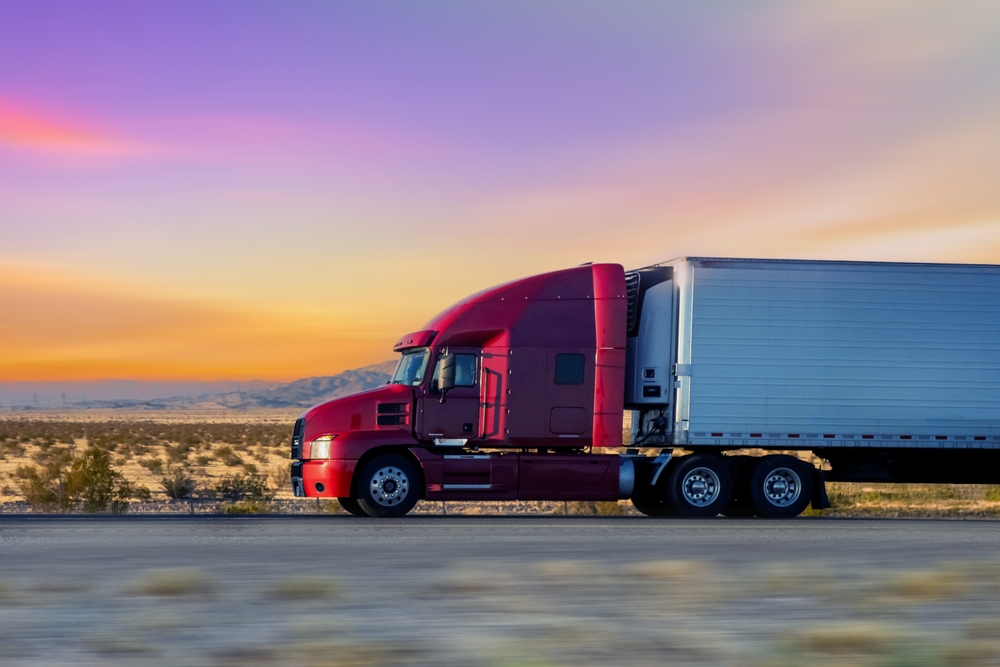
Trailers often sit ready, waiting for the right truck to haul them. Some fleets have power, but no freight. Others have freight, but no equipment. The mismatch slows everything down. Power-only trucking steps into that gap, connecting available trucks to pre-loaded trailers when time and flexibility matter most.
Understanding the Basics of Power-Only Trucking
What Does “Power-Only” Mean?
Power-only refers to a freight arrangement where a motor carrier supplies just the tractor and driver. The shipper or broker provides the trailer. This setup lets carriers focus on driving while shippers manage the trailer and cargo. It’s a flexible way to move freight without committing to full trailer ownership.
How Power-Only Trucking Works
A carrier receives a trailer that’s already loaded and ready to go. The driver hooks up, hauls the freight, and returns the trailer or drops it at a designated location. These arrangements can be one-time moves or part of a longer contract. It’s a streamlined setup that keeps trucks moving and freight on schedule.
Who Uses Power-Only Trucking Services?
Shippers and Freight Brokers
Shippers and freight brokers use this approach to keep freight moving when trailer availability is limited or schedules are tight. It lets them pre-load trailers on their own timeline, then schedule a carrier to haul them later. This separation of tasks helps reduce delays and adds flexibility to freight planning.
Owner-Operators and Small Fleets
Owner-operators and small fleets often choose power-only trucking because it cuts equipment costs and expands hauling opportunities. Without the need to purchase or maintain trailers, they can stay focused on finding reliable loads. This model also opens access to dedicated lanes or contracted work through brokers and shippers who supply their own trailers.
Types of Trailers Used in Power-Only Trucking
Dry vans
Dry vans are one of the most common trailer types used in power-only trucking. They’re fully enclosed, protecting freight from weather and road debris. These trailers haul a wide range of goods, from retail inventory to packaged food. Their versatility makes them a top choice for both short-haul and long-distance freight moves.
Flatbeds
Flatbeds are used when freight doesn’t fit inside a standard enclosed trailer. They’re ideal for large, heavy, or oddly shaped loads like lumber, machinery, or steel. Since these trailers are open, cargo is typically secured using straps or chains, requiring experienced drivers who understand proper load handling and safety procedures.
Refrigerated trailers
Refrigerated trailers, or reefers, are used to transport temperature-sensitive goods like produce, dairy, or pharmaceuticals. These trailers come pre-loaded and pre-cooled, ready for pickup. Drivers haul them to their destinations while maintaining temperature control throughout the trip. It’s a dependable option for perishable freight that requires consistent handling.
Specialized trailers
Specialized trailers serve unique freight needs, including tankers, lowboys, and double-drop trailers. These are often used for hauling oversized equipment, liquids, or hazardous materials. Carriers taking on these loads typically need specific endorsements or experience. This niche offers higher rates but also demands careful coordination and attention to safety regulations.
Benefits of Power-Only Trucking
For Trucking Companies
Power-only trucking gives carriers more options without the overhead of trailer ownership. It cuts maintenance costs and helps fleets to stay flexible across changing freight needs. For owner-operators or small carriers, it opens access to larger contracts through brokers or dedicated lanes, creating new revenue streams without expanding equipment or long-term commitments.
For Shippers
Shippers benefit from this by gaining more control over their logistics. They can load trailers on their own schedule and use available yard space more efficiently. This model also helps reduce detention time for drivers, making their freight more attractive. It’s a flexible option during peak seasons or supply chain issues.
Challenges of Power-Only Trucking
Logistics and Coordination
This type of trucking depends on strong coordination between carriers, shippers, and brokers. Since trailers and tractors are managed separately, timing is key. Miscommunication or delays in trailer readiness can create bottlenecks. Successful operations depend on clear instructions, reliable dispatching, and updated load information to keep everything moving without unnecessary wait time or added costs.
Equipment Compatibility
Not all tractors are compatible with every trailer. Power-only carriers need to match their equipment to the shipper’s trailer type, hitch setup, and weight requirements. Issues like incorrect connections or axle mismatches can delay loading or even prevent the haul. Confirming compatibility in advance helps avoid costly downtime and keeps schedules intact.
Insurance and Liability
Insurance can be more complex since the tractor and trailer belong to different parties. Carriers need coverage that protects their equipment and the freight they’re hauling. Shippers may also request additional policies. Clear agreements and proper documentation help prevent disputes and keep everyone protected throughout the transport process.
How to Get Started in Power-Only Trucking
Requirements for Drivers
Drivers typically need a valid CDL, a clean driving record, and experience handling different trailer types. Some loads may require additional endorsements, like tanker or hazmat. DOT number requirements must also be met before taking on commercial loads. Because trailers vary by customer, drivers must be comfortable adapting to new equipment and following specific pickup, drop-off, and load securement procedures.
Finding Power-Only Loads
Power-only loads are often posted on load boards or arranged through freight brokers who specialize in trailer-provided freight. Some carriers build ongoing relationships with shippers for consistent work. Having flexibility, a solid reputation, and the ability to move quickly can help drivers secure better-paying loads and build long-term hauling opportunities.
How Factoring Supports Power-Only Trucking
Managing Cash Flow Between Loads
Gaps between delivery and payment can strain smaller carriers running power-only loads. Fuel, maintenance, and driver pay still need to be covered while waiting on invoices. Managing cash flow becomes just as important as managing routes. Having access to working capital helps keep the freight truck on the road without relying on high-interest credit.
Fast Access to Capital
Power-only carriers often operate on tight margins. Fast funding lets them cover fuel, repairs, or unexpected expenses without delay. Waiting weeks for payment can slow growth or limit flexibility. Factoring helps convert unpaid invoices into immediate funds, keeping operations moving and reducing the pressure of long payment cycles.
How Advanced Commercial Capital Can Help
Advanced Commercial Capital works closely with carriers running power-only loads to streamline funding. There are no setup fees, no long-term contracts, and no delays. The team understands the demands of trucking and helps simplify cash flow so carriers can focus on hauling, not waiting to get paid.
Ready to keep your trucks moving and your cash flow steady? Contact Advanced Commercial Capital to get started today.
