
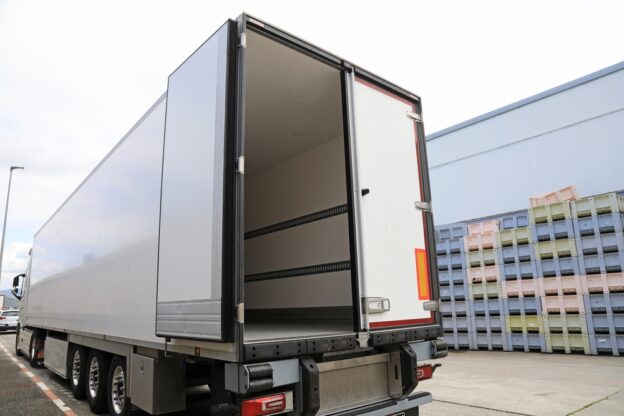
Refrigerated trucking keeps temperature-sensitive freight moving across long distances in all conditions. These specialized freight trucks, known as reefers, are key to hauling perishable cargo like meat, dairy, produce, seafood, and pharmaceuticals.
Most cold-storage freight can’t make the trip without them. Reefer operators face tighter delivery windows, strict temperature control, and added responsibility. It isn’t easy work, but the payoff can be steady freight, higher rates, and competitive trucker pay.
For small carriers, knowing how refrigerated trucking operates can lead to more consistent income and stronger ties with freight brokers, which can translate into better pay for different types of hauls,
A Brief History of Reefer Trucks
The concept of refrigerated trucking began in the early 1900s with insulated railcars packed with ice. As road transportation expanded, the need for mobile refrigeration grew.
In the 1930s, the first mechanically cooled trucks appeared, using bulky ice-based systems or basic cooling units. By the 1940s, diesel-powered reefer units had become more common. Thermo King, one of the early innovators, helped set the standard for temperature-controlled transport.
Over time, reefer trucks became more efficient and reliable. Today, they are a specialized part of freight logistics, serving high-demand markets nationwide.
How Refrigerated Trucks Work
Refrigerated trucks keep cargo at a controlled temperature throughout the trip. The trailer, or reefer, is insulated and equipped with a self-powered refrigeration unit.
These units run on diesel and can cool, freeze, or heat the trailer depending on the freight’s needs. Cold air moves from the front of the trailer and returns through the back in a continuous loop.
Most reefers use aluminum floors with grooves that help distribute air evenly. Pre-cooling, accurate temperature settings, and regular maintenance help keep loads within safe ranges during transport.
Common Industries That Rely on Refrigerated Trucking
Many industries depend on refrigerated trucking to move goods safely. The food industry uses reefers to transport produce, dairy, seafood, meat, and frozen meals. Grocery chains and restaurants depend on these shipments to keep shelves stocked and kitchens running.
The pharmaceutical sector uses reefers to ship medicines, vaccines, and other temperature-sensitive products. Florists and nurseries move plants and flowers in temperature-controlled trailers to preserve quality during transit.
Even the chemical industry uses refrigerated transport for products that must stay within a specific range to remain stable. In all cases, reliable temperature control protects the shipment’s value.
Types of Refrigerated Freight
Refrigerated freight includes products that require specific temperature settings. Fresh produce often travels between 32 and 55 degrees to maintain quality. Frozen foods are kept at zero degrees or below.
Meat, poultry, and seafood have strict temperature requirements for safety and freshness. Dairy products, including milk, cheese, and yogurt, must stay cool to preserve taste and texture.
Pharmaceuticals may require a narrow range, sometimes just a few degrees, to remain effective. Certain chemicals, adhesives, and even fine art shipments also move in reefers to prevent heat or cold damage.
Key Components of a Reefer Trailer
A reefer trailer is built to maintain a stable internal climate for sensitive freight. The refrigeration unit, powered by a small diesel engine, regulates cooling, heating, and airflow.
Insulated walls, ceiling, and floor help reduce temperature fluctuations. Aluminum or stainless steel flooring with channels allows air to circulate under and around the cargo. Adjustable vents and bulkheads direct airflow to match the load type.
Many reefers have a separate fuel tank for the refrigeration unit, allowing it to operate independently of the truck’s engine. Together, these components protect the shipment from pickup to delivery.
Temperature Control and Monitoring
Successful refrigerated trucking relies on precise temperature control. Before loading, the trailer is pre-cooled to the exact setting for the cargo.
Modern units let drivers adjust temperatures digitally, often in single-degree increments. Sensors track conditions in real time and send alerts if the temperature drifts outside the safe range. Some systems allow remote monitoring so both carriers and shippers can check the load’s status.
Keeping accurate temperature records protects shipments and supports compliance with customer and regulatory requirements.
The Role of Regulations in Reefer Trucking
Refrigerated trucking must meet strict regulations to protect public health and product quality. The Food Safety Modernization Act (FSMA) sets standards for the sanitary transportation of food, including proper equipment, temperature control, and recordkeeping.
Drivers and carriers must follow shipper’s instructions for loading, unloading, and maintaining the specified temperature. The USDA and FDA provide additional rules for certain products such as meat, seafood, and dairy.
Compliance not only avoids penalties but also strengthens relationships with shippers who value reliable carriers.
Pros & Cons of Refrigerated Trucking
Pros
- Steady demand, since perishable goods move year-round
- Higher rates compared to many dry van loads, which can improve overall driver salary
- Opportunity to build long-term relationships with shippers and brokers
- Access to specialized freight markets that can provide consistent income
Cons
- Higher operating costs due to refrigeration fuel, maintenance, and parts
- Expensive repairs if the refrigeration unit breaks down
- Greater risk of cargo loss during equipment failure
- Stricter scheduling requirements that can mean night or early morning deliveries
- Constant need to manage precise temperature control without mistakes
Best Practices for Running a Successful Reefer Operation
Strong reefer operations start with well-maintained equipment. Regular inspections of the refrigeration unit, insulation, and trailer doors reduce the risk of breakdowns.
Pre-cooling the trailer to the correct temperature before loading protects cargo. Leaving space for airflow during loading helps maintain even temperatures. Drivers should monitor readings throughout the trip and keep detailed records.
Planning routes to allow for reefer fuel stops prevents unexpected shutdowns. Open communication with shippers and receivers keeps schedules tight and reduces delays.
How Factoring Can Help Reefer Trucking Companies
Reefer trucking can provide steady freight, but payments from brokers or shippers may take weeks. Factoring offers same-day or next-day payment on delivered loads, creating steady cash flow for fuel, payroll, maintenance, and insurance.
For refrigerated carriers, quick funding is valuable for handling higher operating costs and emergency repairs. At Advanced Commercial Capital, factoring has no setup fees or long-term contracts, making it easier for small carriers to stay operational.
Reliable funding supports both daily operations and long-term growth in the refrigerated freight market. Get started today by requesting a quote and keep your reefer business moving without payment delays.