
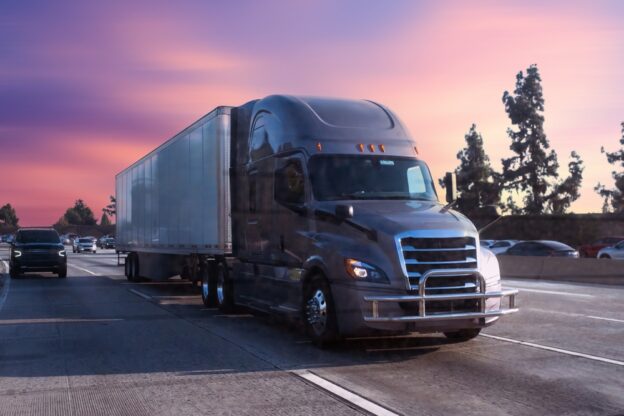
For many trucking company owners, one of the biggest decisions comes down to leasing a truck or purchasing outright. Both paths offer advantages, but the right choice depends on your financial goals, business model, and long-term plans. This decision affects your cash flow, influences your long-term expenses, and plays a role in how your business grows over time. Weighing the pros and cons helps owner-operators and small fleets make informed decisions.
Common Types of Leases (Operating vs. Lease-to-Own)
Before signing a lease, it’s important to know how each option works. Most truckers choose between an operating lease and a lease-to-own agreement. The structure, costs, and long-term benefits differ, depending on what your business needs today and how you plan to grow in the future.
| Operating Lease | Lease-to-Own |
|---|---|
| Lower monthly payments | Higher monthly payments |
| No ownership at the end of the term | You own the truck after payments |
| Ideal for short-term use or upgrades | Better for long-term asset building |
| Repairs may be covered | Repairs are often your responsibility |
Each lease type serves a different purpose. Choosing the right one depends on your cash flow, credit, and how long you plan to keep the truck.
Upfront Costs and Cash Flow Impact
Buying a semi truck usually means a large down payment, which can tie up capital that could be used for fuel, insurance, or driver pay. Leasing often requires little or even no money up front, making it easier to preserve cash flow, especially for smaller operations trying to grow. Fixed monthly payments also make budgeting simpler, though the total cost over time may be higher.
Purchasing may offer long-term savings, but only if the truck stays reliable. Access to cash is key in trucking. Leasing can keep more money in hand for unexpected expenses or new opportunities, while ownership gives you an asset that could be sold or leveraged later. Both options affect how freely you can run your business month to month.
Maintenance and Repairs
When you buy a truck, you’re fully responsible for all maintenance and repairs. That includes routine service, unexpected breakdowns, and major repairs once the truck ages. These costs can hit hard, especially if multiple trucks need work at once. Understanding the potential for downtime and repair bills is an important part of owning equipment outright.
Leasing often shifts some of that burden to the leasing company, depending on the terms. Operating leases may include maintenance coverage or offer it as an add-on. Lease-to-own agreements typically don’t include coverage, putting repairs back on the driver or fleet owner. This can make leasing attractive to businesses that want more predictable maintenance costs.
Flexibility and Long-Term Commitment
Leasing usually offers more flexibility than buying. Lease terms can range from short to multi-year agreements, giving fleet owners room to adjust based on market shifts or changes in workload. If a contract ends, returning the truck is usually straightforward, which helps when scaling up or pivoting to different routes.
Buying a truck is a long-term move. You’re committed to the life of the vehicle, and selling or trading takes time. While ownership gives full control over how and when the truck is used, it can also tie up capital and limit your ability to adapt quickly. For companies expecting rapid changes, leasing can make transitions smooth.
Tax Implications and Deductions
How you acquire your truck can change the way your business handles taxes. Both leasing and owning offer potential deductions, but the timing and structure vary. Understanding these differences can help you keep more money in your business during tax season.
Leasing:
- Monthly lease payments are often fully deductible as a business expense
- Easier to write off consistently throughout the year
- No depreciation tracking required
Buying:
- Eligible for depreciation under Section 179 and bonus depreciation
- Large upfront deductions possible, depending on how the truck is used
- Loan interest may also be deductible
Working with a tax professional who understands trucking can help you take advantage of these benefits based on how your fleet is financed.
Impact on Your Trucking Company’s Growth
The way you finance your trucks can influence how quickly your business grows. Semi truck leasing keeps more cash available, which can be used to add drivers, take on larger contracts, or expand your route coverage. It also allows you to upgrade equipment or adopt new technology as your needs evolve.
On the other hand, buying trucks builds long-term equity and can give you more financial leverage down the road. If you plan to run the same vehicles for years, ownership may offer better value over time. The key is matching your financing approach to your business model. A company focused on flexibility and fast scaling may benefit more from leasing, while those with steady freight and stable cash flow might prefer to own.
How Factoring Supports Both Options
No matter how you acquire your trucks, having a steady cash flow is what keeps your business moving. Factoring gives you access to cash tied up in unpaid invoices, helping cover lease payments, down payments, or repair costs without delay. For fleets that lease, factoring can create the cash buffer needed to stay current on terms or add another unit without waiting weeks for brokers to pay.
For owners building equity in their equipment, factoring can cover maintenance or insurance while preserving working capital. Advanced Commercial Capital helps trucking companies across the country stay financially flexible, no matter their size or structure. Fast access to funds helps you focus less on collections and more on growing your fleet, your routes, and your business.
Making the Right Choice for Your Fleet
Leasing and buying both have a place in the trucking industry, and the right decision comes down to what fits your operation today and supports where you want to take it next. If preserving cash and staying flexible is your top priority, semi truck leasing may be the better route. If you’re looking to build long-term assets and don’t mind taking on more responsibility, ownership might give you more control. Either way, a solid financial strategy will make the biggest difference.
Advanced Commercial Capital works with trucking companies of all sizes to provide the funding they need to grow. Ready to move your business forward? Apply now for fast, reliable funding and keep your fleet on the road.