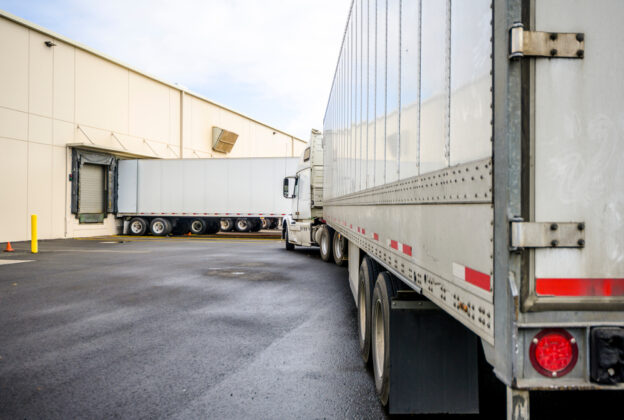
Time on the road earns revenue. Time spent waiting often does not. Many loads move smoothly through pickup and delivery, yet dock delays remain common across the industry. Drivers may assume those lost hours are simply part of the job. Still, extended wait times raise an important question. When a truck sits idle through no fault of the carrier, how is that time valued, and who is responsible for covering it?
Understanding Detention Pay in Trucking
Detention pay is compensation a carrier receives when loading or unloading runs past the agreed free time, typically about two hours. Once that window closes, the clock starts. The idea is simple: a truck sitting at a facility cannot earn revenue somewhere else.
For independent owners and small fleets, those delays add up fast. Fuel keeps burning, hours of service tick away, and delivery schedules get tighter. This compensation recognizes that lost productivity and helps offset the operating costs tied to unexpected delays.
How Detention Pay Works
Most rate confirmations outline a free time period at pickup or delivery. Once that time expires, compensation for the delay begins accruing in hourly increments. The rate may be a flat hourly amount or a set fee after a minimum delay threshold is reached.
In many cases, drivers must notify the broker once detention starts. Some agreements call for updates at set time intervals. After approval, detention is usually added to the freight invoice. Clear communication and accurate time tracking often determine how smoothly that process goes.
Common Causes of Detention in Trucking
Delays rarely happen without a cause. Most come from problems in scheduling, staffing, or facility operations. While some slowdowns are unavoidable, many follow familiar patterns at shipping locations.
Common causes include:
- Overbooked loading docks
- Incomplete or incorrect paperwork
- Staffing shortages at warehouses
- Late product availability
- Tight appointment windows that stack trucks
- Equipment breakdowns at the facility
Each delay can feel minor in the moment. Over time, though, repeated detention cuts into available driving hours and chips away at revenue across the entire week.
Detention Pay vs. Other Accessorial Charges
Detention pay covers the extended wait time during loading or unloading after free time runs out. Other accessorial charges apply to different situations that interrupt a planned move. Confusion often comes up when these terms are used interchangeably, but each addresses a different cost tied to the load.
Common accessorial charges include:
- Layover pay for delays that extend into the next day
- Lumper fees for third-party unloading services
- Stop-off pay for additional delivery locations
- TONU for the truck ordered was not used
Clear definitions support accurate billing and reduce payment disputes.
Who Pays Detention Pay
Responsibility for this type of compensation typically falls on the broker or shipper, depending on the rate agreement. The carrier submits documentation, and the broker may need to get approval from the customer. Once it’s cleared, the additional amount is added to the freight invoice.
Still, approval is not automatic. Some shippers dispute time records or argue that delays were outside their control. Clear contract terms and accurate tracking often determine the outcome. When expectations are defined early, disputes tend to decrease and payment moves more smoothly through the billing cycle.
How to Properly Document Detention Time
Accurate records are the backbone of a strong claim for wait-time compensation. Most brokers want in and out times written on the bill of lading and signed by a facility representative. Without that written confirmation, getting payment approved becomes much harder.
Drivers should write down arrival time, dock time, and departure time. Photos of signed documents add another layer of protection. Letting dispatch or the broker know as soon as free time runs out also strengthens the claim. Solid documentation cuts down on disputes and makes it more likely that detention pay is approved and processed without delay.
How to Request and Collect Detention Pay
Once the extended wait time is documented, the next step is to submit the request according to the rate confirmation. Many brokers want written notice during the delay and supporting paperwork after delivery. Skipping a step can lead to a denial.
The detention charge should appear as a separate line item on the invoice. Copies of signed bills of lading and time stamps help back up the claim. Follow-up matters here. If payment is delayed or reduced, a clear record strengthens the carrier’s position and keeps revenue from slipping through the cracks.
How Detention Pay Impacts Cash Flow
Delays affect more than a single load. When this payment drags out for weeks, revenue forecasting gets harder. Small fleets usually run on tight margins, so unpaid accessorial charges create strain that reaches far beyond one invoice.
Even when this compensation is approved, it usually follows standard broker payment terms. That can mean waiting 30 days or more after you submit documentation. During that time, fuel, payroll, insurance, and maintenance don’t wait. Consistent processes for billing and collection help steady cash flow when dock delays become part of normal operations.
How Factoring Helps Truckers Get Paid Faster for Detention
Waiting weeks for accessorial charges to clear can slow momentum. With freight factoring, carriers can submit approved wait-time charges with the original invoice and receive funding shortly after delivery. Instead of chasing separate payments, revenue moves through one streamlined process.
Transportation factoring keeps cash flow more consistent, even when brokers stretch out payment terms. Once this additional pay is documented and accepted, it can often be rolled into the total factored amount. That approach narrows the gap between completed work and available funds, helping operations stay steady despite delays.
Best Practices to Minimize Detention Time
While some delays are outside a carrier’s control, preparation can cut down on repeat problems. Clear appointment confirmations help prevent early arrivals that turn into longer waits. Reaching out before arrival gives facilities time to prepare paperwork and dock space.
Strong relationships with reliable shippers and brokers also make a difference. Over time, patterns start to show. Tracking locations that often cause delays helps dispatch adjust schedules or negotiate better terms. Small operational tweaks can limit lost hours and protect revenue across a busy week.
How Advanced Commercial Capital Supports Truckers
Delayed payments place steady pressure on independent carriers. Accessorial charges, including detention pay, often follow the same extended billing cycle as freight invoices. That gap can slow progress and limit flexibility.
Advanced Commercial Capital works with trucking companies that need steady funding tied to completed loads. Approved detention charges can be included in the invoice total, which helps revenue move faster through the system. Clear terms and straightforward communication lay the groundwork for stronger cash flow planning.
If you’re ready to strengthen your funding process, reach out, and let’s start a conversation.