
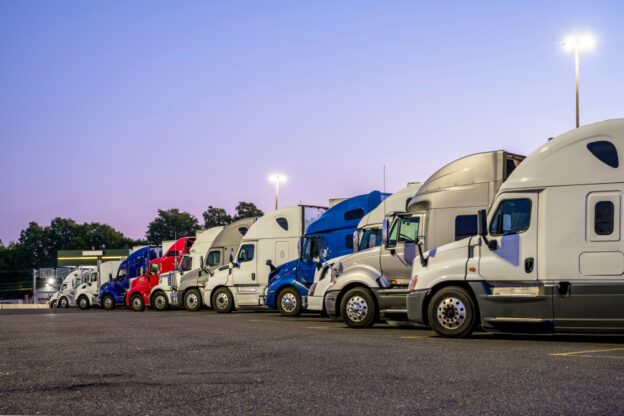
Going from one truck to a fleet takes more than hard work. Growth at this level calls for financial planning, dependable systems, and the right partnerships to help you stay profitable while expanding your operation the right way.
Lay the Right Foundation
Scaling starts with structure. Before you think about more trucks or more loads, confirm your business model, compliance, and goals are solid enough to support long-term growth.
Understand Your Business Model
A clear business model shapes every decision you make. Are you focused on local freight, long-haul routes, or niche loads? Know what types of shippers you want to work with, how you’ll price your services, and what makes your operation competitive. If your current setup isn’t built for scale, consider adjusting how you handle dispatch, billing, and route planning before you grow.
Know the Difference: Interstate vs. Intrastate Trucking
Your authority type impacts your business structure, insurance, and compliance requirements. Expanding without understanding these differences can lead to expensive delays and missed opportunities.
- Interstate trucking involves crossing state lines and requires a federal operating authority (MC number).
- Intrastate trucking operates within one state and is governed by state-level rules.
Verify your registration, insurance, and permits fully match the routes and freight you plan to handle.
Legal & Compliance Considerations Before You Grow
Growth brings more attention from regulators, so your paperwork needs to stay sharp and accurate. Before adding trucks or drivers, confirm that your DOT and MC numbers are active, your insurance meets minimums for expanded operations, and your drug and alcohol testing program is in place. Keep safety scores in check and stay current on UCR filings, IFTA reporting, and driver qualification files. Carrier packets should also be complete and professional to speed up onboarding with new brokers or shippers.
Build a Strong Financial Backbone
Scaling your trucking business means bigger fuel bills, higher payroll, and more equipment to maintain. You need a steady cash flow and financial systems built to handle the pressure of growth.
The Cash Flow Challenge in Growing Fleets
Running a larger fleet can stretch your budget fast. Fuel, maintenance, insurance, and driver pay often come due before you’re paid for completed loads. Gaps between delivering freight and collecting payment can stall growth or force you to take on expensive debt. Tracking expenses daily and planning for slow pay cycles helps, but most growing carriers need outside solutions to keep money flowing as they scale.
How Factoring Services Support Fleet Expansion
Factoring gives carriers access to funds without waiting 30 or more days for payment. Instead of chasing invoices, you get cash upfront to cover fuel, repairs, and payroll. This keeps your trucks moving and your operation stable during growth. It’s especially helpful when adding new lanes, taking on larger contracts, or managing a bigger team. Steady cash flow keeps expansion manageable and less risky. Services like freight factoring and quick pay can help fill the gap and reduce pressure during key growth phases.
Choosing the Right Freight Factoring Company
Not all factoring partners bring the same value. Look for a company that specializes in trucking, has no hidden fees, and doesn’t lock you into long-term contracts. Fast funding, flexible terms, and reliable customer service should be standard. A factoring partner should help you save time, reduce stress, and keep your fleet running smoothly without cash flow getting in the way.
Invest in Equipment Strategically
Adding trucks too quickly can create more problems than profits. Focus on timing and reliability. Choose equipment that fits your freight type, fuel strategy, and maintenance budget. Used trucks can be smart if well-maintained and backed by solid records. Don’t forget about trailer types and auxiliary equipment, depending on your freight mix. Buying, leasing, or renting each comes with trade-offs. Run the numbers carefully and choose the option that best fits your goals without straining your cash or credit.
Build a Reliable Team
Hiring the right people matters just as much as adding the right trucks. As you grow, you’ll need drivers who show up, dispatchers who can solve problems quickly, and employees who keep everything running behind the scenes. Competitive pay, clear communication, and fair treatment go a long way in building loyalty. Avoid rushing the hiring process. Bringing in the wrong people can cause delays, raise costs, and make it harder to maintain service quality.
Strengthen Your Trucking Network
Growth gets a lot easier when you’re connected to the right people. Build relationships with brokers, shippers, and other carriers who understand your operation and can bring steady freight opportunities. Join industry associations, attend local events, and stay active in freight boards or online groups. A strong network helps you fill gaps, find better loads, and stay competitive during slow seasons. Don’t underestimate the value of a trusted referral or a well-timed load offer.
Protect What You’re Building
Growth brings risk. Expanding your fleet means more drivers, more trucks, and more exposure. Protecting your business starts with the right insurance and a proactive safety mindset.
Best Commercial Truck Insurance for Fleet Owners
As your fleet grows, your insurance needs change. Standard coverage may not be enough to protect against the added risk of multiple drivers and vehicles. Look for policies that cover cargo, liability, physical damage, and downtime. Work with an agent who understands trucking and can help you avoid coverage gaps. Getting the right plan in place early helps keep your operation protected when something unexpected happens on the road.
Risk Management as Your Fleet Grows
More trucks mean more moving parts, and more opportunities for something to go wrong. Build safety into your daily operations through regular maintenance, driver training, and clear reporting procedures. Track violations and incidents, and address problems quickly before they grow. A strong safety culture protects your fleet, helps lower insurance costs, and builds trust with shippers and brokers.
Plan for Sustainable Growth
Scaling too fast can stretch your resources and hurt service quality. Growth that lasts takes planning. Set clear benchmarks for when to hire, add trucks, or take on new contracts. Watch your profit margins, not just your revenue. Stay flexible so you can adapt when fuel prices rise or freight slows down. The goal isn’t just to grow, but to stay strong while doing it, without losing control of what made your business successful in the first place.
Ready to grow your trucking business with stable cash flow and a trusted financial partner? Request a quote and let Advanced Commercial Capital help you scale with confidence.