
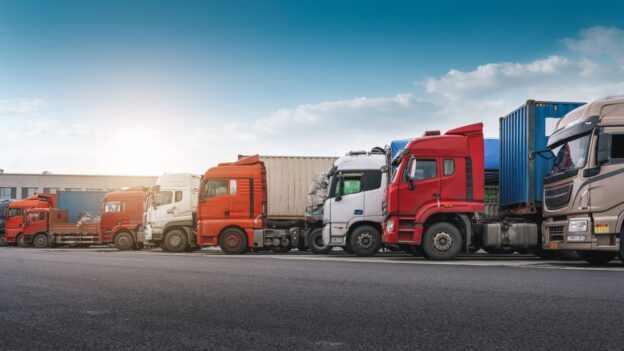
For trucking businesses, insurance is essential for protection on the road and in the office. The right policy helps cover costs tied to accidents, cargo loss, liability claims, and other operational risks. Reliable coverage supports safety, legal compliance, and long-term financial stability for fleets of any size.
Choosing the right provider starts with understanding available coverage options, comparing reputable companies, and weighing factors like service, pricing, and industry knowledge.
What Is Commercial Truck Insurance?
Commercial truck insurance protects against financial loss from accidents, theft, damage, and other incidents involving trucks and drivers. It addresses risks unique to commercial transportation that standard auto insurance does not cover.
Carriers are typically required to carry liability insurance to meet state and federal regulations. Additional protections, such as physical damage or cargo coverage, can be added based on operational needs.
Types of Commercial Truck Insurance Coverage
Coverage options are designed to protect different areas of the business. Some focus on legal liability, others on truck repairs, cargo, or downtime. The right mix depends on the type of freight, operating authority, and whether you’re running under your own authority or leased to a carrier.
Primary Liability
Covers bodily injury and property damage caused to others when the truck driver is at fault. Required for motor carriers operating under their own authority. This coverage doesn’t include the truck or cargo.
The FMCSA mandates a minimum of $750,000, though many brokers require $1 million in coverage.
General Liability
Protects against non-driving risks such as injuries at terminals, property damage during loading, or claims tied to business operations. Not required by law but recommended for fleets with staff, office space, or customer interaction.
Physical Damage
Pays to repair or replace trucks damaged by accidents, theft, vandalism, or natural disasters. Includes collision and comprehensive coverage.
Often required by lenders for financed or leased vehicles. Ideal for owner-operators and fleets protecting valuable equipment.
Motor Truck Cargo
Covers freight in case of loss, damage, or theft during transit. Essential for meeting broker and shipper requirements. Policies vary by cargo type, so matching coverage to freight value is key.
Bobtail/Non-Trucking Liability
Provides coverage when a truck is operated without a trailer or not under dispatch. Commonly required by carriers for leased-on owner-operators.
Covers accidents that happen during personal or non-business use of the truck.
Trailer Interchange
Trailer interchange insurance covers physical damage to non-owned trailers used under a trailer interchange agreement. If a trailer is damaged in your care due to collision, fire, theft, or vandalism, this policy helps cover repair or replacement costs.
This coverage is essential for carriers who regularly swap trailers with other trucking companies or logistics partners.
Workers’ Compensation
Workers’ compensation provides medical benefits and wage replacement for drivers or employees injured on the job. It also protects employers from legal claims related to workplace injuries.
Coverage is required in most states for businesses with employees. Even for small fleets, it’s a key safeguard that supports both legal compliance and employee well-being.
Top Commercial Truck Insurance Companies for 2025
Several insurance providers stand out for their experience, service, and tailored policies for the trucking industry. Each company offers different strengths, depending on the size of your fleet, type of freight, and specific coverage needs.
The following companies are among the most trusted options for commercial truck insurance in 2025.
Progressive
Progressive is one of the largest commercial truck insurance providers in the country. Known for its flexible policies and nationwide reach, it serves a wide range of trucking businesses from owner-operators to larger fleets.
Pros
- Quick online quotes and flexible coverage options
- Large network and strong name recognition
- Specialized plans for motor carriers and owner-operators
- Competitive discounts for safe driving and bundled policies
Cons
- Customer service can vary by region
- Some users report slow claims processing in complex cases
OOIDA
The Owner-Operator Independent Drivers Association offers insurance exclusively to its members, focusing on small trucking operations and leased-on drivers.
Pros
- Designed specifically for owner-operators
- Offers competitive rates and member support
- Coverage options include physical damage, bobtail, and occupational accident
Cons
- Must be a member to access coverage
- Limited options for larger fleets
State Farm
State Farm provides commercial auto insurance with a strong reputation for personalized service through its local agent network.
Pros
- Trusted brand with dedicated local agents
- Strong customer service and claims handling
- Offers multiple policy types for small business needs
Cons
- Limited availability for specialized trucking coverage
- May not be ideal for larger or long-haul fleets
Sentry Insurance
Sentry specializes in insurance for trucking and transportation businesses, offering tailored solutions for fleets of various sizes.
Pros
- Deep experience in the trucking industry
- Dedicated account managers for fleets
- Strong financial stability and claims support
Cons
- No online quotes; must go through an agent
- Not as well-known as larger national carriers
CoverWallet
CoverWallet is an online insurance platform that lets trucking businesses compare quotes from multiple providers and manage policies in one place.
Pros
- Easy online quote comparisons
- Access to multiple insurers through one platform
- Fast and convenient digital tools
Cons
- Acts as a broker, not a direct insurer
- Customer service can vary based on the carrier selected
The Hartford
The Hartford offers commercial auto and trucking insurance with a strong focus on risk management and business support.
Pros
- Longstanding reputation for business insurance
- Helpful risk management services
- Flexible coverage options for small to mid-size fleets
Cons
- May not offer specialized plans for all trucking segments
- Quotes typically require working with an agent
Northland Insurance
Northland Insurance, a subsidiary of Travelers, focuses exclusively on the trucking and transportation industry.
Pros
- Specialized in commercial trucking coverage
- Strong claims handling reputation
- Backed by the financial strength of Travelers
Cons
- Policies must be purchased through an agent
- Less visibility compared to larger national brands
How to Choose the Right Truck Insurance for Your Fleet or Business
Selecting the right insurance involves more than just comparing prices. The best policy will depend on your fleet size, freight type, operating area, and risk exposure. Several key factors can help narrow down the right fit for your business.
Assess Your Needs
Start by identifying the specific risks your business faces. Consider the type of freight you haul, the distance and regions you operate in, the number of trucks and drivers, and any contractual insurance requirements from brokers or shippers. Knowing what you need covered helps avoid paying for unnecessary extras or leaving gaps in protection.
Compare Coverage Options
Not all policies offer the same level of protection. Review what each provider includes in core coverage and what’s available as an add-on. Look closely at liability limits, cargo exclusions, and physical damage terms to make sure the policy aligns with your operation’s risks.
Consider Customer Service & Claims Support
Strong customer support and efficient claims handling can make a big difference when problems arise. Look for providers with a reputation for responsiveness, clear communication, and a streamlined claims process. Local agents or dedicated account managers can also add value, especially for growing fleets.
Pricing & Affordability
While cost is important, the lowest price doesn’t always offer the best value. Compare quotes across providers, but also weigh the coverage limits, deductibles, and exclusions. Discounts may be available for safe driving, bundled policies, or using electronic logging devices.
Specialized Trucking Expertise
Choose a provider that understands the trucking industry. Companies with specialized experience are better equipped to offer coverage that fits real-world risks, regulatory requirements, and operational needs. This can also lead to smoother claims, better policy options, and proactive risk management support.
Key Takeaways
The right insurance can protect your trucks, your cargo, and your business, keeping you compliant, covered, and confident on the road. With so many options available, it pays to work with providers who understand the unique challenges of the trucking industry.
At Advanced Commercial Capital, we work closely with our clients to ensure they have the tools, resources, and financial support to keep moving forward. If you’re looking to improve cash flow, cover key expenses, or grow your fleet, factoring can help you do just that, without the wait.
Apply today and take the next step toward a more stable, profitable trucking business.