Two employees standing in front of a truck.

Trucking Dual Authority: What You Need to Know

Getting your authority is a major step in running a trucking company. Some carriers choose to expand that authority to operate as both a carrier and a broker. This dual setup gives more control over freight and flexibility in how loads are handled. It’s a strategy that can open new revenue streams, but it also brings added responsibilities. Understanding the structure helps business owners decide if it aligns with their goals and strengthens their industry networking.

What Is Operating Authority?

Operating authority is the approval granted by the Federal Motor Carrier Safety Administration (FMCSA) that allows a trucking company to haul freight for hire. It defines the type of work a business is legally allowed to perform, such as transporting goods as a motor carrier or arranging freight as a broker. Without active authority, a carrier can’t legally operate across state lines or get paid for hauling. Most new carriers apply for a single authority based on their core services. This paperwork, along with proof of insurance and other filings, activates a company’s ability to haul loads commercially.

Common Types of Authority: Carrier vs. Broker

Most trucking businesses operate under one of two main authorities: carrier or broker. Each comes with different responsibilities, legal requirements, and day-to-day duties. Carriers move freight using their own trucks and drivers. Brokers connect shippers and carriers, but don’t haul freight themselves. Both require separate applications and compliance standards through the FMCSA to operate legally.

Carrier Authority Broker Authority
Hauls freight using company-owned trucks Arranges freight between shippers and carriers
Requires insurance, vehicle filings Requires a surety bond and broker license
Directly responsible for deliveries Coordinates loads, but doesn’t transport

Knowing how they differ is important before applying for either or pursuing both.

What Is Dual Authority in Trucking?

Dual authority in trucking refers to a business that holds both carrier and broker authority under the FMCSA. This setup allows a company to haul its own freight using company-owned trucks and also broker loads to other carriers. It creates flexibility in how freight is handled and opens up more ways to generate revenue.

A company might use its trucks when available and broker out excess loads during busier times. Having both authorities also gives more control over freight flow, which can help keep operations steady during market swings. However, managing both roles requires close attention to compliance and workflow.

Benefits of Having Dual Authority

Operating under both carrier and broker authority gives trucking companies more control, added flexibility, and the potential to increase revenue. Instead of turning down loads they can’t cover, businesses can broker them out and still profit. This structure can also help build stronger relationships with shippers by offering more complete freight solutions.

Key benefits include:

  • Ability to earn revenue on freight you don’t haul
  • More control over freight flow during market shifts
  • Flexibility to scale without adding more trucks
  • Opportunity to work directly with shippers as both carrier and broker
  • Stronger negotiating power due to added service options

This model works well for companies seeking long-term versatility and growth.

Risks, Challenges, and Compliance Issues

Running both broker and carrier operations under one business can create added pressure. Managing both authorities means handling freight while also staying compliant in two separate roles. The FMCSA watches these setups closely, and mistakes can lead to penalties or revoked authority.

Key challenges include:

  • Conflicts of interest if loads are moved through affiliated carriers
  • Misuse of authority, such as brokering without proper documentation
  • Increased liability and legal exposure
  • More complex insurance and bonding requirements
  • Extra paperwork and audits from regulatory agencies
  • Double brokering violations, which can lead to legal action and loss of credibility

Costs and Financial Considerations

Holding dual authority means managing two sets of operational costs. That includes separate registration fees, insurance requirements, and compliance filings. A broker’s bond, typically $75,000, adds another financial layer, along with the need for back-office support to manage contracts and payments. On the carrier side, equipment, maintenance, and driver payroll remain constant expenses.

Many companies underestimate the added cost of maintaining both sides, especially when starting out. Proper budgeting is key to keeping things stable. Some fleets use factoring to maintain steady cash flow while managing these financial obligations, especially during slow periods or while waiting on payment from shippers and brokers. Building an efficient workflow for managing carrier packets is also important when operating under dual authority.

Is Dual Authority Right for Your Trucking Business?

Not every company is built to run both sides of the operation. Dual authority requires a clear plan, reliable systems, and enough support to manage separate responsibilities. It can be a strong move for owner-operators or small fleets looking to diversify income and take more control over freight. But it also means more risk, more paperwork, and tighter compliance. Before applying, think about how much bandwidth you have, how many loads you plan to move, and how well you can separate carrier and broker activities. The opportunity is there, but success comes down to having structure, discipline, and financial flexibility.

How Advanced Commercial Capital Supports Carriers with Dual Authority

Managing dual authority takes more than just paperwork. It takes working capital. Advanced Commercial Capital helps carriers and brokers keep cash flowing while they grow both sides of the business. Factoring helps cover fuel, pay carriers, and creates breathing room between delivering a load and getting paid. AdCom works with small fleets and independent operators nationwide to simplify that process. There are no setup fees, no long-term contracts, and funding happens fast. That kind of flexibility makes it easier to stay compliant, take on new business, and keep your operations running without delays.

Ready to strengthen your cash flow? Apply now and get funding that works on your schedule.
A semi truck driving on the road.

Comparing Semi Truck Leasing vs Buying

For many trucking company owners, one of the biggest decisions comes down to leasing a truck or purchasing outright. Both paths offer advantages, but the right choice depends on your financial goals, business model, and long-term plans. This decision affects your cash flow, influences your long-term expenses, and plays a role in how your business grows over time. Weighing the pros and cons helps owner-operators and small fleets make informed decisions.

Common Types of Leases (Operating vs. Lease-to-Own)

Before signing a lease, it’s important to know how each option works. Most truckers choose between an operating lease and a lease-to-own agreement. The structure, costs, and long-term benefits differ, depending on what your business needs today and how you plan to grow in the future.

Operating Lease Lease-to-Own
Lower monthly payments Higher monthly payments
No ownership at the end of the term You own the truck after payments
Ideal for short-term use or upgrades Better for long-term asset building
Repairs may be covered Repairs are often your responsibility

Each lease type serves a different purpose. Choosing the right one depends on your cash flow, credit, and how long you plan to keep the truck.

Upfront Costs and Cash Flow Impact

Buying a semi truck usually means a large down payment, which can tie up capital that could be used for fuel, insurance, or driver pay. Leasing often requires little or even no money up front, making it easier to preserve cash flow, especially for smaller operations trying to grow. Fixed monthly payments also make budgeting simpler, though the total cost over time may be higher.

Purchasing may offer long-term savings, but only if the truck stays reliable. Access to cash is key in trucking. Leasing can keep more money in hand for unexpected expenses or new opportunities, while ownership gives you an asset that could be sold or leveraged later. Both options affect how freely you can run your business month to month.

Maintenance and Repairs

When you buy a truck, you’re fully responsible for all maintenance and repairs. That includes routine service, unexpected breakdowns, and major repairs once the truck ages. These costs can hit hard, especially if multiple trucks need work at once. Understanding the potential for downtime and repair bills is an important part of owning equipment outright.

Leasing often shifts some of that burden to the leasing company, depending on the terms. Operating leases may include maintenance coverage or offer it as an add-on. Lease-to-own agreements typically don’t include coverage, putting repairs back on the driver or fleet owner. This can make leasing attractive to businesses that want more predictable maintenance costs.

Flexibility and Long-Term Commitment

Leasing usually offers more flexibility than buying. Lease terms can range from short to multi-year agreements, giving fleet owners room to adjust based on market shifts or changes in workload. If a contract ends, returning the truck is usually straightforward, which helps when scaling up or pivoting to different routes.

Buying a truck is a long-term move. You’re committed to the life of the vehicle, and selling or trading takes time. While ownership gives full control over how and when the truck is used, it can also tie up capital and limit your ability to adapt quickly. For companies expecting rapid changes, leasing can make transitions smooth.

Tax Implications and Deductions

How you acquire your truck can change the way your business handles taxes. Both leasing and owning offer potential deductions, but the timing and structure vary. Understanding these differences can help you keep more money in your business during tax season.

Leasing:

  • Monthly lease payments are often fully deductible as a business expense
  • Easier to write off consistently throughout the year
  • No depreciation tracking required

Buying:

  • Eligible for depreciation under Section 179 and bonus depreciation
  • Large upfront deductions possible, depending on how the truck is used
  • Loan interest may also be deductible

Working with a tax professional who understands trucking can help you take advantage of these benefits based on how your fleet is financed.

Impact on Your Trucking Company’s Growth

The way you finance your trucks can influence how quickly your business grows. Semi truck leasing keeps more cash available, which can be used to add drivers, take on larger contracts, or expand your route coverage. It also allows you to upgrade equipment or adopt new technology as your needs evolve.

On the other hand, buying trucks builds long-term equity and can give you more financial leverage down the road. If you plan to run the same vehicles for years, ownership may offer better value over time. The key is matching your financing approach to your business model. A company focused on flexibility and fast scaling may benefit more from leasing, while those with steady freight and stable cash flow might prefer to own.

How Factoring Supports Both Options

No matter how you acquire your trucks, having a steady cash flow is what keeps your business moving. Factoring gives you access to cash tied up in unpaid invoices, helping cover lease payments, down payments, or repair costs without delay. For fleets that lease, factoring can create the cash buffer needed to stay current on terms or add another unit without waiting weeks for brokers to pay.

For owners building equity in their equipment, factoring can cover maintenance or insurance while preserving working capital. Advanced Commercial Capital helps trucking companies across the country stay financially flexible, no matter their size or structure. Fast access to funds helps you focus less on collections and more on growing your fleet, your routes, and your business.

Making the Right Choice for Your Fleet

Leasing and buying both have a place in the trucking industry, and the right decision comes down to what fits your operation today and supports where you want to take it next. If preserving cash and staying flexible is your top priority, semi truck leasing may be the better route. If you’re looking to build long-term assets and don’t mind taking on more responsibility, ownership might give you more control. Either way, a solid financial strategy will make the biggest difference.

Advanced Commercial Capital works with trucking companies of all sizes to provide the funding they need to grow. Ready to move your business forward? Apply now for fast, reliable funding and keep your fleet on the road.

Two people expanding their trucking network.

How to Build Your Trucking Network

Running a trucking business takes more than reliable equipment and on-time deliveries. Relationships play a big role in long-term success. A strong trucking network creates steady freight opportunities, trusted partnerships, and access to insights from others who understand the road.

If you’re starting out or looking to grow, the people you connect with can shape your progress. Good relationships lead to better rates, faster payments, and fewer empty miles. Building your network means being proactive, clear in your communication, and intentional about who you work with. Every connection has the potential to move your business forward.

Start With Your Current Connections

Before you start searching for new contacts, take a closer look at the ones you already have. Friends in the industry, former co-workers, dispatchers, or past clients can all be valuable. These are people who know your work and may be willing to refer you or pass along opportunities. Reach out, stay in touch, and let them know you’re growing your business.

Staying in touch builds trust over time. Even if someone doesn’t have freight to move today, you’ll be top of mind when something comes up. The easiest way to expand your trucking network is to strengthen the relationships already within reach.

Build Relationships With Freight Brokers

Freight brokers can be a steady source of loads and a practical way to keep your trucks busy. Many brokers work directly with shippers who prefer to have someone manage the logistics. If you show up on time, communicate clearly, and handle freight without issues, you become someone they remember.

Start by taking smaller loads and building trust. Once a broker sees that you’re reliable, they’re more likely to send consistent work your way. Prioritize strong working relationships instead of chasing the highest rate on every load. These partnerships often become a dependable part of your trucking network.

Connect With Other Carriers

Other carriers may seem like competition, but many owner-operators and small fleets work together to stay ahead. Sharing information about lanes, shippers, or load availability can benefit both sides. Some drivers swap leads when they’re overbooked or need help covering freight in a different region.

You can also learn a lot from carriers who have been running longer. A quick conversation at a truck stop or industry event might turn into a valuable connection down the line. Mutual respect goes a long way. When you build strong relationships with other carriers, your trucking network becomes more reliable and better connected.

Use Online Load Boards Wisely

Load boards are a helpful tool, but they work best when used with a clear strategy. Jumping on the first available load can lead to low rates or unreliable brokers. Take time to research the companies posting freight. Look at their payment history, reviews, and how often they post loads in your preferred lanes.

Treat each load as a chance to build something long-term. If a broker or shipper runs freight in your area regularly and pays on time, stay in touch. Over time, those one-off loads can turn into steady work. A thoughtful approach to load boards can strengthen your trucking network in practical ways.

Go Direct to Shippers

Working directly with shippers can offer better rates and more stable work. It takes more effort up front, but cutting out the middle layer gives you more control. Start local. Reach out to businesses that ship regularly and see if they’re open to working with a small carrier.

Be professional in every interaction. Show up on time, keep them updated, and handle freight carefully. Over time, a single shipment can lead to a steady contract. Shippers appreciate reliability and clear communication. Building direct relationships adds strength to your trucking network and gives you more flexibility when brokers or boards slow down.

Stay Active in Industry Communities

Industry communities offer more than just conversation. They create opportunities to learn, share, and connect with others who face similar challenges. Local meetups, trucking forums, and social media groups are all good places to stay informed and meet people who understand your line of work.

You don’t have to be the loudest voice. Showing up, being respectful, and offering help when you can leaves a lasting impression. Over time, those small interactions can lead to real business opportunities. Staying involved keeps your trucking network strong and puts you in touch with people who can support your growth.

Invest in Your Reputation

Every load you haul adds to your reputation. Shippers, brokers, and other carriers remember who communicates well, delivers on time, and handles freight with care. A solid reputation builds trust quickly. It leads to better lanes, steady work, and long-term partnerships.

Stick to your word. Respond promptly, stay professional, and keep your equipment well-maintained. People notice, and in this industry, a good name moves ahead of you. When others trust your work, opportunities start to come your way. Reputation often carries more weight than marketing or price. It becomes a key part of how your trucking network continues to grow.

Leverage Factoring to Grow Your Network

Factoring gives you fast access to the money you’ve already earned. That steady cash flow makes it easier to take on more loads, cover fuel, and keep your trucks running. It also helps you build stronger relationships, since you’re able to pay drivers, handle repairs, and stay on schedule without delay.

When brokers and shippers see that you run a reliable operation, they’re more likely to work with you again. Having the right factoring partner gives you confidence to accept more work and take on new routes. The more consistent you are, the more your trucking network expands through trust and follow-through.

Key Takeaways

Strong relationships help keep your trucks on the road. Focus on building trust with brokers, shippers, carriers, and others in the industry who value clear communication and follow-through. Use factoring to stay prepared, cover expenses, and take on more work when the opportunity comes. A reliable trucking network supports steady freight, better rates, and long-term success.

Looking to boost your cash flow and grow your business? Contact Advanced Commercial Capital today and see how we can help you move forward.

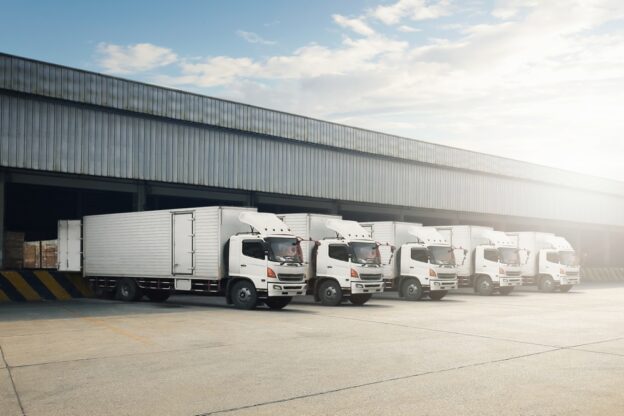
Freight trucks parked at a warehouse.

Comparing Freight Factoring and Quick Pay Options

Getting paid quickly matters in the trucking business. Fuel, maintenance, and payroll don’t wait for brokers to process invoices. Two common solutions are freight factoring and quick pay, each offering faster access to cash. While they serve a similar purpose, the way they work and the value they provide can be very different. Understanding factoring vs quick pay starts with knowing how each option functions.

What is Quick Pay?

Quick pay is a payment option offered through many freight brokers. It allows carriers to receive payment sooner than the standard 30 to 45 days. Most brokers charge a fee for this service, which is taken out of the invoice total.

This option helps cover time-sensitive expenses like fuel, tolls, or payroll. Each broker has its own terms, including processing time, fee amount, and eligibility requirements. Some may limit availability based on load type or carrier history. While it offers faster access to payment, it still depends on how the broker operates and how quickly they process payments.

What is Freight Factoring?

Freight factoring is a financial service that gives carriers access to payment soon after delivering a load. Instead of waiting for a broker or shipper to pay, you sell the invoice to a factoring company. They advance a large portion of the invoice amount, often on the same day, and handle collections.

This approach improves cash flow without relying on a broker’s payment timeline. Factoring companies often provide added support, such as credit checks on brokers, back-office services, and fuel cards. Fees vary based on volume, credit risk, and the factoring agreement. Unlike quick pay, factoring works across all brokers and lanes, giving carriers more flexibility and control over when they get paid.

Comparing Key Features

When deciding between factoring vs quick pay, it helps to see how each option works side by side. Both aim to improve cash flow, but they operate under different terms and offer different benefits.

Feature Quick Pay Freight Factoring
Availability Only offered through some brokers. Works across all brokers and shippers.
Payment Speed Usually 1–5 days. Same-day or next-day funding.
Flexibility Limited to specific loads. Available for all approved loads.
Support Services Minimal. Often includes credit checks and back-office help.
Fees Flat rate per load. Varies by volume, credit risk, and agreement.
Control Over Cash Flow Broker-dependent. Carrier controlled.

Looking at both options this way makes it easier to choose the right fit for your business goals and day-to-day needs.

Pros and Cons of Quick Pay

Pros

  • Provides faster payment than the standard 30–45 day broker terms, often within just a few days, helping carriers stay on top of expenses.
  • Simple to request through participating brokers, usually involving minimal setup and straightforward paperwork.
  • Predictable flat fee per load makes it easier to plan for costs and maintain a consistent pricing structure.
  • Can cover time-sensitive expenses like fuel, tolls, or payroll without waiting for full invoice payment.

Cons

  • Available only through brokers offering a quick pay program, which limits options for other freight.
  • Payment speed still depends on each broker’s internal process and accuracy in handling invoices.
  • Flat fees can cut into profits, especially on loads with smaller payouts or tighter margins.
  • Does not include services such as credit checks, collections, or support for direct shipper freight.

Pros and Cons of Freight Factoring

Pros

  • Provides same-day or next-day funding for approved invoices, keeping cash flow steady across all brokers and shippers.
  • Works for freight from multiple sources, allowing carriers to select loads based on route and rate rather than payment terms.
  • Often includes added benefits like broker credit checks, invoice tracking, collections, and other back-office support.
  • Helps carriers grow by making it easier to take on more work without waiting for outstanding payments.

Cons

  • Fees vary depending on factors such as volume, agreement terms, and the credit strength of customers.
  • Some agreements require a minimum volume or a set number of invoices each month.
  • Set up can involve more documentation and verification compared to a quick pay arrangement.
  • Requires partnering with a factoring company that manages invoices professionally and maintains good broker relationships.

Why Advanced Commercial Capital is a Better Long-Term Solution

Advanced Commercial Capital offers freight factoring designed specifically for trucking companies. Unlike quick pay, their service works across all brokers and shippers, giving carriers consistent access to funds no matter who they haul for. This means you can choose the best loads without worrying about payment delays.

Clients also gain access to credit checks, invoice management, and support from a team that understands trucking. There are no setup fees, no long-term contracts, and competitive rates that keep more money in your pocket. The combination of flexibility, reliability, and industry expertise makes Advanced Commercial Capital a stronger choice for businesses focused on growth and stability.

When to Choose Factoring Over Quick Pay

Factoring is often the better choice when your loads come from multiple brokers or when you work directly with shippers who do not offer quick pay. It provides a single, reliable source of funding instead of relying on each broker’s process and timeline.

It also works well for carriers looking to grow, since consistent cash flow makes it easier to cover expenses, accept new routes, and keep trucks moving. If you value added services like credit checks, collections, and back-office help, factoring delivers more support than quick pay. For many trucking businesses, the flexibility and stability of factoring outweigh the limited scope of quick pay programs.

Key Takeaways

Quick pay and freight factoring both speed up payment, but the scope and benefits are different. Quick pay is tied to individual brokers, making it useful for short-term cash needs when those brokers offer the option. Freight factoring works across all approved loads and often comes with tools that support long-term growth, such as credit checks and invoice management. This flexibility allows carriers to choose the best loads without worrying about delayed payments.

For many trucking companies, factoring creates a more dependable financial foundation. To learn how Advanced Commercial Capital can help you maintain steady cash flow and grow your business, contact us today.

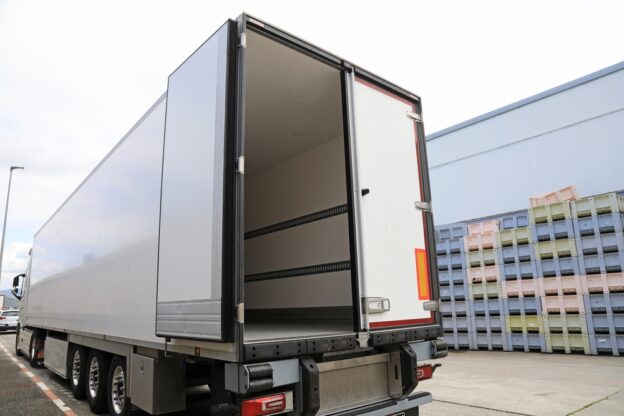
The inside of a refrigerated truck.

How Refrigerated Trucking Works

Refrigerated trucking keeps temperature-sensitive freight moving across long distances in all conditions. These specialized freight trucks, known as reefers, are key to hauling perishable cargo like meat, dairy, produce, seafood, and pharmaceuticals.

Most cold-storage freight can’t make the trip without them. Reefer operators face tighter delivery windows, strict temperature control, and added responsibility. It isn’t easy work, but the payoff can be steady freight, higher rates, and competitive trucker pay.

For small carriers, knowing how refrigerated trucking operates can lead to more consistent income and stronger ties with freight brokers, which can translate into better pay for different types of hauls,

A Brief History of Reefer Trucks

The concept of refrigerated trucking began in the early 1900s with insulated railcars packed with ice. As road transportation expanded, the need for mobile refrigeration grew.

In the 1930s, the first mechanically cooled trucks appeared, using bulky ice-based systems or basic cooling units. By the 1940s, diesel-powered reefer units had become more common. Thermo King, one of the early innovators, helped set the standard for temperature-controlled transport.

Over time, reefer trucks became more efficient and reliable. Today, they are a specialized part of freight logistics, serving high-demand markets nationwide.

How Refrigerated Trucks Work

Refrigerated trucks keep cargo at a controlled temperature throughout the trip. The trailer, or reefer, is insulated and equipped with a self-powered refrigeration unit.

These units run on diesel and can cool, freeze, or heat the trailer depending on the freight’s needs. Cold air moves from the front of the trailer and returns through the back in a continuous loop.

Most reefers use aluminum floors with grooves that help distribute air evenly. Pre-cooling, accurate temperature settings, and regular maintenance help keep loads within safe ranges during transport.

Common Industries That Rely on Refrigerated Trucking

Many industries depend on refrigerated trucking to move goods safely. The food industry uses reefers to transport produce, dairy, seafood, meat, and frozen meals. Grocery chains and restaurants depend on these shipments to keep shelves stocked and kitchens running.

The pharmaceutical sector uses reefers to ship medicines, vaccines, and other temperature-sensitive products. Florists and nurseries move plants and flowers in temperature-controlled trailers to preserve quality during transit.

Even the chemical industry uses refrigerated transport for products that must stay within a specific range to remain stable. In all cases, reliable temperature control protects the shipment’s value.

Types of Refrigerated Freight

Refrigerated freight includes products that require specific temperature settings. Fresh produce often travels between 32 and 55 degrees to maintain quality. Frozen foods are kept at zero degrees or below.

Meat, poultry, and seafood have strict temperature requirements for safety and freshness. Dairy products, including milk, cheese, and yogurt, must stay cool to preserve taste and texture.

Pharmaceuticals may require a narrow range, sometimes just a few degrees, to remain effective. Certain chemicals, adhesives, and even fine art shipments also move in reefers to prevent heat or cold damage.

Key Components of a Reefer Trailer

A reefer trailer is built to maintain a stable internal climate for sensitive freight. The refrigeration unit, powered by a small diesel engine, regulates cooling, heating, and airflow.

Insulated walls, ceiling, and floor help reduce temperature fluctuations. Aluminum or stainless steel flooring with channels allows air to circulate under and around the cargo. Adjustable vents and bulkheads direct airflow to match the load type.

Many reefers have a separate fuel tank for the refrigeration unit, allowing it to operate independently of the truck’s engine. Together, these components protect the shipment from pickup to delivery.

Temperature Control and Monitoring

Successful refrigerated trucking relies on precise temperature control. Before loading, the trailer is pre-cooled to the exact setting for the cargo.

Modern units let drivers adjust temperatures digitally, often in single-degree increments. Sensors track conditions in real time and send alerts if the temperature drifts outside the safe range. Some systems allow remote monitoring so both carriers and shippers can check the load’s status.

Keeping accurate temperature records protects shipments and supports compliance with customer and regulatory requirements.

The Role of Regulations in Reefer Trucking

Refrigerated trucking must meet strict regulations to protect public health and product quality. The Food Safety Modernization Act (FSMA) sets standards for the sanitary transportation of food, including proper equipment, temperature control, and recordkeeping.

Drivers and carriers must follow shipper’s instructions for loading, unloading, and maintaining the specified temperature. The USDA and FDA provide additional rules for certain products such as meat, seafood, and dairy.

Compliance not only avoids penalties but also strengthens relationships with shippers who value reliable carriers.

Pros & Cons of Refrigerated Trucking

Pros

  • Steady demand, since perishable goods move year-round
  • Higher rates compared to many dry van loads, which can improve overall driver salary
  • Opportunity to build long-term relationships with shippers and brokers
  • Access to specialized freight markets that can provide consistent income

Cons

  • Higher operating costs due to refrigeration fuel, maintenance, and parts
  • Expensive repairs if the refrigeration unit breaks down
  • Greater risk of cargo loss during equipment failure
  • Stricter scheduling requirements that can mean night or early morning deliveries
  • Constant need to manage precise temperature control without mistakes

Best Practices for Running a Successful Reefer Operation

Strong reefer operations start with well-maintained equipment. Regular inspections of the refrigeration unit, insulation, and trailer doors reduce the risk of breakdowns.

Pre-cooling the trailer to the correct temperature before loading protects cargo. Leaving space for airflow during loading helps maintain even temperatures. Drivers should monitor readings throughout the trip and keep detailed records.

Planning routes to allow for reefer fuel stops prevents unexpected shutdowns. Open communication with shippers and receivers keeps schedules tight and reduces delays.

How Factoring Can Help Reefer Trucking Companies

Reefer trucking can provide steady freight, but payments from brokers or shippers may take weeks. Factoring offers same-day or next-day payment on delivered loads, creating steady cash flow for fuel, payroll, maintenance, and insurance.

For refrigerated carriers, quick funding is valuable for handling higher operating costs and emergency repairs. At Advanced Commercial Capital, factoring has no setup fees or long-term contracts, making it easier for small carriers to stay operational.

Reliable funding supports both daily operations and long-term growth in the refrigerated freight market. Get started today by requesting a quote and keep your reefer business moving without payment delays.

A shuttle truck driver.

Understanding Shuttle Truck Drivers

Shuttle trucking plays a unique role in the transportation industry, connecting goods between locations that are often just a few miles or hours apart. Instead of hauling freight across the country, these drivers focus on shorter, repeated routes that keep supply chains moving smoothly.

This kind of work often appeals to drivers who want more predictable schedules and regular time at home. Shuttle routes keep production lines stocked, maintain steady inventory levels, and support timely deliveries, making them a key link in many business operations.

What Is Shuttle Trucking?

Shuttle trucking involves moving freight over short, repetitive routes, often between two fixed points. These routes can be within the same city or span a short regional distance.

A shuttle truck driver may transport goods from a warehouse to a distribution center or between manufacturing facilities that operate on tight schedules. The work usually focuses on efficiency and quick turnaround times rather than long-distance travel.

Many shuttle operations run on set schedules, which allows carriers to better plan driver shifts and equipment use. This model supports faster delivery cycles and helps companies keep their supply chain running without unnecessary delays. Advanced Commercial Capital works with shuttle carriers to help maintain the steady cash flow needed for these fast-paced operations.

A Day in the Life of a Shuttle Truck Driver

A shuttle truck driver typically starts the day with a pre-trip inspection, checking tires, brakes, lights, and load security. Once the truck is ready, the driver begins moving freight between designated locations, often making several trips on the same route.

The work involves frequent loading and unloading, either by the driver or warehouse staff, and maintaining communication with dispatch to track progress. Because the routes are predictable, drivers often work consistent hours and return home at the end of their shift.

The pace can be steady but repetitive, requiring focus, safe driving habits, and attention to schedules throughout the day.

Key Differences Between Shuttle Trucking and Over-the-Road (OTR) Trucking

Shuttle trucking focuses on short, repeated routes, while OTR trucking covers long distances across multiple states. OTR drivers may spend days or weeks on the road, often sleeping in their trucks, whereas shuttle drivers usually return home daily.

Freight in shuttle operations moves quickly through a supply chain, often as part of a just-in-time delivery system. OTR freight typically involves fewer stops but much longer travel times.

Equipment use can differ as well, with shuttle routes relying on tractors that may stay within a terminal’s operating range. These differences impact driver lifestyle, scheduling, and the type of freight each role handles.

Common Industries That Use Shuttle Truck Drivers

Many sectors rely on shuttle truck drivers to keep goods moving smoothly. Manufacturing plants often use shuttle routes to transport raw materials between facilities or to deliver finished products to nearby warehouses.

Retail distribution centers depend on them to move inventory to local stores or cross-dock hubs. Grocery and food service companies use shuttle operations to maintain steady deliveries of perishable items.

Ports and rail yards also employ shuttle drivers to transfer containers to staging areas or nearby warehouses. These short-haul movements support fast turnaround times and help businesses avoid costly delays in production, stocking, or customer delivery schedules.

Local vs. Regional Shuttle Routes

Local shuttle routes usually operate within a single city or metropolitan area, allowing drivers to complete multiple trips during a shift and return home daily. These runs often involve transporting freight between warehouses, factories, and retail locations just a few miles apart.

Regional shuttle routes cover a broader area, sometimes spanning several hundred miles within a single state or across nearby states. Drivers on regional routes may still get home most nights but could have slightly longer shifts or occasional overnight stays.

Both types of routes offer more predictable schedules than long-haul trucking while keeping freight moving quickly through supply chains.

Pros & Cons of Being a Shuttle Truck Driver

Pros

  • Consistent schedules that often allow drivers to be home daily.
  • Shorter routes that reduce time away and limit equipment wear.
  • Familiarity with routes, customers, and loading locations can lower stress.
  • Competitive pay structures with opportunities for overtime and benefits.
  • Steady work that can help new drivers build experience without long-haul travel demands.

Cons

  • Repetitive routes may feel monotonous over time.
  • Frequent loading and unloading can be physically demanding.
  • Tight schedules that leave little room for delays or unexpected issues.
  • Lower mileage pay compared to some over-the-road positions.
  • Limited variety in scenery and travel experiences.
  • Potential for split shifts or early morning/late-night hours, depending on customer needs.

Who Should Consider a Career in Shuttle Trucking?

A shuttle trucking career can be a good fit for drivers who value predictable schedules and want more time at home. It works well for those who prefer familiar routes and consistent interaction with the same facilities and customers.

Drivers who enjoy working at a steady pace, handling frequent pickups or drop-offs, and contributing to the smooth flow of a supply chain may find this role rewarding.

It can also suit newer drivers looking for experience in a structured setting or experienced drivers seeking a change from long-haul demands. Advanced Commercial Capital understands these unique career goals and provides financial tools that help small carriers succeed in this type of work.

How Shuttle Trucking Impacts Fleet Operations

Shuttle trucking can increase fleet efficiency by keeping trucks and drivers in constant motion on short, high-frequency routes. This setup allows companies to maximize equipment utilization and reduce downtime between loads.

Predictable schedules help dispatch teams plan shifts more effectively, minimizing empty miles and fuel waste. Shuttle operations also make it easier to coordinate maintenance since trucks return to a central location regularly.

For fleets serving manufacturing, retail, or distribution, these routes help maintain steady inventory flow and meet tight delivery windows. The consistent nature of shuttle work can lead to stronger customer relationships and more reliable service performance.

Factoring Solutions for Shuttle Trucking Companies

Shuttle trucking companies often face steady expenses, even when waiting on customer payments. Factoring can convert unpaid invoices into immediate working capital, helping cover fuel, payroll, maintenance, and insurance costs without delays.

For operations completing multiple short hauls daily, quick access to funds keeps routes on time and trucks ready for the next load.

Advanced Commercial Capital offers factoring programs designed for trucking companies nationwide, with no setup fees and no long-term contracts. These solutions make it easier for shuttle carriers to handle daily expenses, take on more routes, and keep their business moving forward.

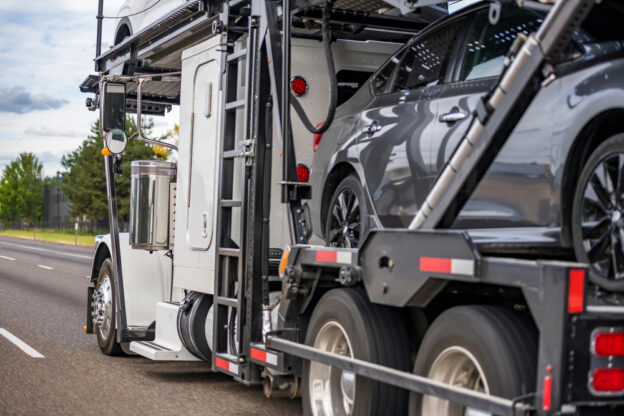
semi truck hauling cars

Car Hauling Pay: Average Earnings & Top Factors

Car hauling is one of the more specialized niches in trucking. It offers steady demand, decent rates, and a unique set of challenges. But how much do car haulers make, and is it worth stepping into this part of the industry? Some drivers move single units over short distances. Others haul full trailers across multiple states. Each setup comes with different pay expectations and operating costs.

What Is Car Hauling?

Car hauling involves transporting vehicles from one location to another using a specialized trailer. Most car haulers use open or enclosed multi-car carriers that can load between 3 and 10 vehicles at a time. Jobs can range from dealership-to-dealership deliveries to auction runs or private transports. Some drivers work regionally while others operate nationwide, depending on the type of equipment and the carriers or brokers they partner with.

This niche requires more attention to loading and securing freight. Damage prevention is a priority, and proper tie-downs, inspections, and route planning all play a role in safe, efficient delivery.

How Much Do Car Haulers Make?

So, how much do car haulers make on average? Most drivers in this niche earn between $65,000 and $110,000 per year, though some owner-operators report earnings well above that range. Pay depends heavily on how often you run, what kind of vehicles you’re moving, and the types of loads you take. Long-haul routes usually pay more than local jobs, but they also come with higher fuel costs and more time on the road.

Drivers hauling luxury cars or using enclosed trailers often earn more per load. However, they also face longer load times and higher equipment costs. The tradeoff can still be worth it if you’re running consistent freight and keeping downtime low.

Key Factors That Affect Car Hauler Pay

Several things influence what a car hauler can expect to earn. The type of trailer you run plays a big role. Enclosed trailers typically command higher rates, but they also require more investment and experience.

Route length and lane preferences matter too. Hauling cars across the country brings in more per load compared to regional runs, but it also increases expenses.

Experience also impacts pay. Shippers and brokers often offer better rates to drivers with a strong record of safe, on-time deliveries. Seasonal demand can cause rates to fluctuate depending on the region. The right endorsements and insurance coverage can also open the door to more profitable freight.

Hidden Costs That Impact Take-Home Pay

Gross earnings don’t tell the whole story. Car haulers face a number of expenses that cut into profit. Fuel, maintenance, and insurance are just the start. Tires wear faster under heavy loads, and repairs on specialized equipment can get expensive quickly.

If you’re leasing a trailer or financing your truck, monthly payments can eat up a big chunk of revenue. Don’t forget tolls, permits, and downtime between loads. These hidden costs add up fast and can make the difference between a solid income and a tight margin.

How Car Haulers Get Paid

Car haulers typically get paid per mile or per load. Some receive weekly settlements directly from brokers or shippers. Others use factoring to speed up cash flow. The method you choose can affect how quickly you get paid and how much you keep.

Per Mile vs. Per Load

Pay per mile offers predictable income, especially on longer routes. However, per-load payments can be higher for short hauls or specialized vehicles. The best option depends on your business model and how often you want to turn over loads.

Weekly Settlements vs. Factoring

Weekly settlements are standard in many broker agreements, but waiting a week or more for payment can create cash flow gaps. Factoring gives drivers access to their money within 24 hours. Companies like Advanced Commercial Capital help cover fuel, insurance, and other costs without long delays or complicated contracts.

Working with Brokers vs. Direct Shippers

Brokers make it easier to find loads, but they take a cut of the pay. Direct shippers often pay more, though it takes time to build those relationships. Many haulers use both, balancing steady volume from brokers with higher-paying freight from trusted shippers.

Boosting Your Car Hauling Income

Increasing your earnings in car hauling often comes down to efficiency and smart decision-making. Choosing the right lanes, minimizing deadhead miles, and loading multiple vehicles on each trip all help raise your take-home pay.

Investing in dependable equipment reduces downtime and keeps maintenance costs lower over time. Some haulers also add enclosed trailers or upgrade to higher-capacity rigs to charge premium rates.

Building direct relationships with repeat customers can lead to more consistent loads at better prices. Having access to fast funding through factoring can help you take on more work without waiting on slow-paying brokers.

Is Car Hauling Worth It?

Car hauling can be a rewarding niche for the right driver. It offers solid pay, variety in daily work, and the chance to run your own operation. But it also comes with unique pressures, from specialized equipment costs to tight delivery schedules.

Pros and Cons

Pros:

  • Higher average pay compared to many other trucking jobs
  • Steady demand, especially from dealerships and auctions
  • Opportunities for owner-operators to build direct customer relationships

Cons:

  • Expensive equipment and higher insurance premiums
  • Time-sensitive deliveries require strict scheduling
  • Load and unload times can be longer than other freight types

Who Car Hauling Is Best Suited For

This line of work is a good fit for drivers who take pride in careful handling, want to maximize earnings, and don’t mind a more hands-on routine. If you’re detail-oriented, own quality equipment, and are ready to manage your business proactively, car hauling can offer a strong income and long-term potential.

Key Takeaways

Car haulers usually earn between $65,000 and $110,000 per year, depending on routes, equipment, and how they get paid. Staying efficient and keeping cash flowing are key to long-term success.

If you’re ready to grow your car hauling business, apply with Advanced Commercial Capital. No setup fees, no long-term contracts.

A truck driver holding up a Transportation Worker Identification Credential (TWIC).

TWIC Card Guide: Costs, Requirements & Benefits

Ports, terminals, and secure maritime facilities often require a specific type of federal identification. If you’re hauling freight into those areas, you’ve likely been asked about it. So, what is a TWIC card, and why do truckers need one? This credential opens the gate to high-security zones and makes certain jobs more accessible. For many drivers, it’s a simple step that creates more opportunity and flexibility.

What Is a TWIC Card?

A TWIC card, or Transportation Worker Identification Credential, is a security clearance issued by the Transportation Security Administration (TSA). It allows workers to access secure areas of ports, vessels, and other maritime facilities regulated by the U.S. Coast Guard. The card uses biometric technology and is valid for five years.

For truck drivers, having a TWIC card means you can legally pick up or deliver loads inside restricted zones. Without one, you may be limited to drop yards or lose out on direct port freight. Many companies prefer or require TWIC-certified drivers for high-security jobs, especially in coastal regions or near major ports.

Who Needs a TWIC Card?

Anyone who needs unescorted access to secure maritime facilities or vessels must have a TWIC card. This includes port workers, longshoremen, freight handlers, and truck drivers who pick up or deliver inside these zones.

For truckers, the need depends on the routes you run and the customers you serve. If you’re hauling containers, driving near major ports, or working with intermodal freight, having a TWIC card gives you more options. Even if it’s not required for every load, it can make dispatching easier and keep you eligible for higher-paying jobs that involve restricted sites. Many OTR drivers benefit from carrying a TWIC card, especially when running coastal or intermodal lanes.

How to Apply for a TWIC Card

The application process for a TWIC card is handled through the TSA. You can start online or in person at an enrollment center. Most drivers choose to pre-enroll online to save time during the in-person visit.

Here’s how it works:

  • Pre-enroll online: Visit the TSA’s official TWIC program site and complete the initial application form.
  • Schedule an appointment: Choose a local enrollment center and select a date and time that works for you.
  • Bring valid documents: Most applicants bring a valid U.S. passport or a combination of a driver’s license and birth certificate.
  • Provide fingerprints and a photo: These are taken during your in-person visit for identity verification.
  • Pay the application fee: This must be done during your appointment.

After the appointment, you’ll receive your card in the mail in about 7 to 10 business days. Some applicants may need to wait longer if TSA requests additional background information.

How Much Does a TWIC Card Cost?

The current fee for a TWIC card is $125.25 for a five-year term. This is a one-time payment due at the time of your in-person appointment. If you already have a valid hazardous materials endorsement (HME) or a Free and Secure Trade (FAST) card, you may qualify for a reduced rate of $93.00.

Payment methods vary by location, but most enrollment centers accept credit, debit, money orders, and company checks. Personal checks are not accepted. The cost is non-refundable, even if you’re denied after the background check. Many drivers consider it a worthwhile expense since the credential opens the door to higher-paying freight and greater flexibility.

TWIC Card Requirements

To qualify for a TWIC card, you must be a U.S. citizen, a lawful permanent resident, or a non-citizen with approved immigration status. You must also pass a security threat assessment conducted by the TSA. This includes a review of your criminal history, immigration status, and any connections to terrorist activity.

Acceptable documents include:

  • A valid U.S. passport
  • A state-issued driver’s license along with a birth certificate
  • A permanent resident card
  • Other DHS-approved identity documents

Applicants must be at least 18 years old and have no disqualifying offenses. Some criminal convictions can lead to a temporary or permanent disqualification, depending on the charge and how much time has passed.

TWIC Card Renewal and Replacement

A TWIC card is valid for five years and does not renew automatically. Most drivers start the process about 60 days before expiration to avoid losing access to secure sites.

Renewals follow the same steps as the original application. You’ll need an appointment, updated info, and payment of the standard fee. Some centers offer extended hours for convenience.

If your card is lost, stolen, or damaged, replacements cost $60.00 and can be requested at any enrollment center. Without a valid card, you may be turned away from restricted areas.

Benefits of Having a TWIC Card

A TWIC card can open the door to more freight opportunities, especially for drivers working near ports or hauling intermodal loads. Many brokers and carriers prefer drivers who already have this clearance.

It also speeds up access to secure areas. You won’t need an escort or temporary pass, which helps reduce wait times and makes check-ins faster.

For owner-operators, it adds value. It shows you’re ready for high-security jobs without extra steps.

Common TWIC Card Questions

Can You Get a TWIC Card with a Criminal Record?

It depends on the offense and how long ago it happened. Some crimes, like certain felonies or terrorism-related charges, can lead to a denial. Others may require a waiting period before you’re eligible. TSA reviews each case individually, so it’s possible to receive approval even with a record, depending on the details. Your employment history and background may also appear in a DAC report used by many carriers during the hiring process.

Is a TWIC Card Required for All Truckers?

No. A TWIC card is only needed if you’re entering secure maritime facilities or ports. If you don’t run port loads or work near coastal freight hubs, you may never need one. However, having it can expand your load options and make you more marketable.

Does Having a TWIC Card Guarantee a Job?

No, the card doesn’t guarantee employment. But it does make you eligible for a broader range of work, especially in high-security areas. Many dispatchers and brokers look for TWIC-certified drivers when booking port freight or time-sensitive loads that require

Key Takeaways

A TWIC card gives truckers access to secure ports and maritime facilities, opening the door to more freight options and higher-paying loads. While not required for every driver, it’s a smart investment if you run intermodal or coastal routes.

Want to take on more profitable loads without waiting to get paid? Apply with Advanced Commercial Capital and keep your cash flow moving.

Commercial trucking at a warehouse.

Best Commercial Truck Insurance for Fleets & Owners

For trucking businesses, insurance is essential for protection on the road and in the office. The right policy helps cover costs tied to accidents, cargo loss, liability claims, and other operational risks. Reliable coverage supports safety, legal compliance, and long-term financial stability for fleets of any size.

Choosing the right provider starts with understanding available coverage options, comparing reputable companies, and weighing factors like service, pricing, and industry knowledge.

What Is Commercial Truck Insurance?

Commercial truck insurance protects against financial loss from accidents, theft, damage, and other incidents involving trucks and drivers. It addresses risks unique to commercial transportation that standard auto insurance does not cover.

Carriers are typically required to carry liability insurance to meet state and federal regulations. Additional protections, such as physical damage or cargo coverage, can be added based on operational needs.

Types of Commercial Truck Insurance Coverage

Coverage options are designed to protect different areas of the business. Some focus on legal liability, others on truck repairs, cargo, or downtime. The right mix depends on the type of freight, operating authority, and whether you’re running under your own authority or leased to a carrier.

Primary Liability

Covers bodily injury and property damage caused to others when the truck driver is at fault. Required for motor carriers operating under their own authority. This coverage doesn’t include the truck or cargo.

The FMCSA mandates a minimum of $750,000, though many brokers require $1 million in coverage.

General Liability

Protects against non-driving risks such as injuries at terminals, property damage during loading, or claims tied to business operations. Not required by law but recommended for fleets with staff, office space, or customer interaction.

Physical Damage

Pays to repair or replace trucks damaged by accidents, theft, vandalism, or natural disasters. Includes collision and comprehensive coverage.

Often required by lenders for financed or leased vehicles. Ideal for owner-operators and fleets protecting valuable equipment.

Motor Truck Cargo

Covers freight in case of loss, damage, or theft during transit. Essential for meeting broker and shipper requirements. Policies vary by cargo type, so matching coverage to freight value is key.

Bobtail/Non-Trucking Liability

Provides coverage when a truck is operated without a trailer or not under dispatch. Commonly required by carriers for leased-on owner-operators.

Covers accidents that happen during personal or non-business use of the truck.

Trailer Interchange

Trailer interchange insurance covers physical damage to non-owned trailers used under a trailer interchange agreement. If a trailer is damaged in your care due to collision, fire, theft, or vandalism, this policy helps cover repair or replacement costs.

This coverage is essential for carriers who regularly swap trailers with other trucking companies or logistics partners.

Workers’ Compensation

Workers’ compensation provides medical benefits and wage replacement for drivers or employees injured on the job. It also protects employers from legal claims related to workplace injuries.

Coverage is required in most states for businesses with employees. Even for small fleets, it’s a key safeguard that supports both legal compliance and employee well-being.

Top Commercial Truck Insurance Companies for 2025

Several insurance providers stand out for their experience, service, and tailored policies for the trucking industry. Each company offers different strengths, depending on the size of your fleet, type of freight, and specific coverage needs.

The following companies are among the most trusted options for commercial truck insurance in 2025.

Progressive

Progressive is one of the largest commercial truck insurance providers in the country. Known for its flexible policies and nationwide reach, it serves a wide range of trucking businesses from owner-operators to larger fleets.

Pros

  • Quick online quotes and flexible coverage options
  • Large network and strong name recognition
  • Specialized plans for motor carriers and owner-operators
  • Competitive discounts for safe driving and bundled policies

Cons

  • Customer service can vary by region
  • Some users report slow claims processing in complex cases

OOIDA

The Owner-Operator Independent Drivers Association offers insurance exclusively to its members, focusing on small trucking operations and leased-on drivers.

Pros

  • Designed specifically for owner-operators
  • Offers competitive rates and member support
  • Coverage options include physical damage, bobtail, and occupational accident

Cons

  • Must be a member to access coverage
  • Limited options for larger fleets

State Farm

State Farm provides commercial auto insurance with a strong reputation for personalized service through its local agent network.

Pros

  • Trusted brand with dedicated local agents
  • Strong customer service and claims handling
  • Offers multiple policy types for small business needs

Cons

  • Limited availability for specialized trucking coverage
  • May not be ideal for larger or long-haul fleets

Sentry Insurance

Sentry specializes in insurance for trucking and transportation businesses, offering tailored solutions for fleets of various sizes.

Pros

  • Deep experience in the trucking industry
  • Dedicated account managers for fleets
  • Strong financial stability and claims support

Cons

  • No online quotes; must go through an agent
  • Not as well-known as larger national carriers

CoverWallet

CoverWallet is an online insurance platform that lets trucking businesses compare quotes from multiple providers and manage policies in one place.

Pros

  • Easy online quote comparisons
  • Access to multiple insurers through one platform
  • Fast and convenient digital tools

Cons

  • Acts as a broker, not a direct insurer
  • Customer service can vary based on the carrier selected

The Hartford

The Hartford offers commercial auto and trucking insurance with a strong focus on risk management and business support.

Pros

  • Longstanding reputation for business insurance
  • Helpful risk management services
  • Flexible coverage options for small to mid-size fleets

Cons

  • May not offer specialized plans for all trucking segments
  • Quotes typically require working with an agent

Northland Insurance

Northland Insurance, a subsidiary of Travelers, focuses exclusively on the trucking and transportation industry.

Pros

  • Specialized in commercial trucking coverage
  • Strong claims handling reputation
  • Backed by the financial strength of Travelers

Cons

  • Policies must be purchased through an agent
  • Less visibility compared to larger national brands

How to Choose the Right Truck Insurance for Your Fleet or Business

Selecting the right insurance involves more than just comparing prices. The best policy will depend on your fleet size, freight type, operating area, and risk exposure. Several key factors can help narrow down the right fit for your business.

Assess Your Needs

Start by identifying the specific risks your business faces. Consider the type of freight you haul, the distance and regions you operate in, the number of trucks and drivers, and any contractual insurance requirements from brokers or shippers. Knowing what you need covered helps avoid paying for unnecessary extras or leaving gaps in protection.

Compare Coverage Options

Not all policies offer the same level of protection. Review what each provider includes in core coverage and what’s available as an add-on. Look closely at liability limits, cargo exclusions, and physical damage terms to make sure the policy aligns with your operation’s risks.

Consider Customer Service & Claims Support

Strong customer support and efficient claims handling can make a big difference when problems arise. Look for providers with a reputation for responsiveness, clear communication, and a streamlined claims process. Local agents or dedicated account managers can also add value, especially for growing fleets.

Pricing & Affordability

While cost is important, the lowest price doesn’t always offer the best value. Compare quotes across providers, but also weigh the coverage limits, deductibles, and exclusions. Discounts may be available for safe driving, bundled policies, or using electronic logging devices.

Specialized Trucking Expertise

Choose a provider that understands the trucking industry. Companies with specialized experience are better equipped to offer coverage that fits real-world risks, regulatory requirements, and operational needs. This can also lead to smoother claims, better policy options, and proactive risk management support.

Key Takeaways

The right insurance can protect your trucks, your cargo, and your business, keeping you compliant, covered, and confident on the road. With so many options available, it pays to work with providers who understand the unique challenges of the trucking industry.

At Advanced Commercial Capital, we work closely with our clients to ensure they have the tools, resources, and financial support to keep moving forward. If you’re looking to improve cash flow, cover key expenses, or grow your fleet, factoring can help you do just that, without the wait.

Apply today and take the next step toward a more stable, profitable trucking business.

freight factoring semi trucks in the parking lot of a warehouse

Is Non-Recourse Factoring Right for Your Business?

Getting paid on time is one of the biggest challenges in the trucking industry. Waiting 30, 60, or even 90 days for customers to pay can put a real strain on cash flow, especially for smaller fleets. That’s where freight factoring comes in. By selling invoices to a factoring company, carriers get quick access to the money they’ve earned, without the long wait.

Non-recourse factoring takes it a step further. In this setup, the factoring company assumes more of the risk if a customer fails to pay. But is it the right fit for your operation?

What Is Non-Recourse Factoring?

Non-recourse factoring is a type of freight factoring where the factoring company takes on the credit risk. If your broker or shipper goes out of business or simply fails to pay due to insolvency, you won’t be held responsible for the unpaid invoice. This protection can offer peace of mind, especially when hauling for new or unfamiliar customers.

It’s important to note that non-recourse doesn’t cover every type of non-payment. For example, disputes over service, incorrect billing, or paperwork issues may still fall on the carrier. But when it comes to customer credit failure, non-recourse factoring can provide a valuable safety net.

Who Benefits Most From Non-Recourse Factoring?

Non-recourse factoring is especially helpful for small to mid-sized carriers who want extra protection against credit risk. It’s a smart choice for businesses that:
Work with new or unfamiliar brokers and shippers

  • Work with new or unfamiliar brokers and shippers
  • Don’t have the time or tools to track customer credit profiles
  • Want more predictable cash flow without worrying about collections
  • Prefer not to risk being held responsible for unpaid invoices due to customer bankruptcy

Owner-operators and small fleets that are growing quickly or expanding into new lanes often use non-recourse factoring as a safeguard while building their book of business.

Pros and Cons of Non-Recourse Factoring

Like any financial tool, non-recourse factoring comes with advantages and trade-offs. Understanding both sides can help you make the best decision for your trucking business.

Pros

  • Credit protection: If a broker or shipper fails to pay due to insolvency, the factoring company absorbs the loss.
  • Less risk for carriers: Helps avoid the stress and financial hit of unpaid invoices.
  • More predictable cash flow: Payments are not delayed or reversed due to customer default.
  • Confidence working with new customers: Adds peace of mind when accepting new loads.

Cons

  • Higher fees: Non-recourse factoring typically costs more than recourse factoring due to the added risk for the factor.
  • Limited coverage: Only protects against non-payment due to insolvency, not disputes or billing errors.
  • Stricter credit checks: Factoring companies may limit funding to customers who meet specific credit standards.
  • Less flexibility: Some non-recourse agreements may have tighter terms or restrictions compared to recourse options.

How Non-Recourse Factoring Works at Advanced Commercial Capital

At Advanced Commercial Capital, non-recourse factoring is designed to protect trucking companies without adding unnecessary complexity. Once a load is delivered and paperwork is submitted, payment is advanced quickly, usually within 24 hours. If the customer doesn’t pay due to credit failure, there’s no chargeback to your business.

Our team monitors the credit health of your customers, so you can focus on driving and delivering. There are no long-term contracts, no setup fees, and you only factor the loads you choose. It’s a straightforward way to improve cash flow while minimizing risk.

How to Decide if Non-Recourse Factoring Is Right for You

The best factoring option depends on your cash flow needs, risk tolerance, and customer base. If you often haul for new brokers or worry about getting paid, non-recourse factoring may offer the security you need. But if your customers are well-established and reliable, recourse factoring might be the more affordable option.

Think about your business goals, financial priorities, and how much risk you’re comfortable managing. The right solution should support your growth while protecting your bottom line.

FAQs About Non-Recourse Factoring

There’s often confusion around what non-recourse factoring does and doesn’t cover. The questions below address common concerns and help clarify how this option works in real-world situations.

Does non-recourse mean I’m never liable?

Not always. Non-recourse factoring protects you if a customer can’t pay due to insolvency or bankruptcy. But if non-payment is due to billing mistakes, missing documents, or a dispute over the service, you may still be responsible. It’s important to follow all paperwork and delivery procedures to stay protected.

Is it more expensive than recourse factoring?

Yes. Non-recourse factoring usually comes with slightly higher fees because the factoring company takes on more risk. However, for many carriers, the added cost is worth the peace of mind and protection from bad debt.

Can I switch between recourse and non-recourse options?

In many cases, yes. Some factoring companies, including Advanced Commercial Capital, offer flexible plans that allow you to choose between recourse and non-recourse on a load-by-load basis. This gives you more control over your costs and your level of risk.

Ready to See if Non-Recourse Factoring Fits Your Fleet?

Non-recourse factoring can give your trucking business the confidence to keep moving forward, even when customers fall short. At Advanced Commercial Capital, we make the process simple, fast, and flexible, with no setup fees, no long-term contracts, and personalized support every step of the way.

If you’re ready to protect your cash flow and reduce your risk, fill out an application today. Let’s keep your business running strong, mile after mile.