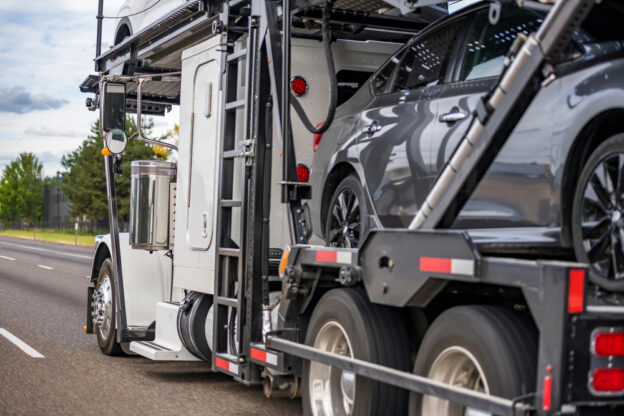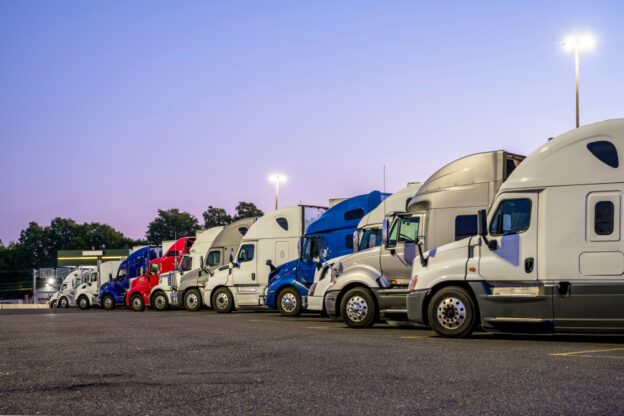
semi truck hauling cars

Car Hauling Pay: Average Yearly Earnings & Top Factors

Car hauling is one of the more specialized niches in trucking. It offers steady demand, decent rates, and a unique set of challenges. But how much do car haulers make, and is it worth stepping into this part of the industry? Some drivers move single units over short distances. Others haul full trailers across multiple states. Each setup comes with different pay expectations and operating costs.

What Is Car Hauling?

Car hauling involves transporting vehicles from one location to another using a specialized trailer. Most car haulers use open or enclosed multi-car carriers that can load between 3 and 10 vehicles at a time. Jobs can range from dealership-to-dealership deliveries to auction runs or private transports. Some drivers work regionally while others operate nationwide, depending on the type of equipment and the carriers or brokers they partner with.

This niche requires more attention to loading and securing freight. Damage prevention is a priority, and proper tie-downs, inspections, and route planning all play a role in safe, efficient delivery.

How Much Do Car Haulers Make Per Year?

So, how much do car haulers make on average? Most drivers in this niche earn between $65,000 and $110,000 per year, though some owner-operators report earnings well above that range. Pay depends heavily on how often you run, what kind of vehicles you’re moving, and the types of loads you take. Long-haul routes usually pay more than local jobs, but they also come with higher fuel costs and more time on the road.

Drivers hauling luxury cars or using enclosed trailers often earn more per load. However, they also face longer load times and higher equipment costs. The tradeoff can still be worth it if you’re running consistent freight and keeping downtime low.

Key Factors That Affect Car Hauler Pay

Several things influence what a car hauler can expect to earn. The type of trailer you run plays a big role. Enclosed trailers typically command higher rates, but they also require more investment and experience.

Route length and lane preferences matter too. Hauling cars across the country brings in more per load compared to regional runs, but it also increases expenses.

Experience also impacts pay. Shippers and brokers often offer better rates to drivers with a strong record of safe, on-time deliveries. Seasonal demand can cause rates to fluctuate depending on the region. The right endorsements and insurance coverage can also open the door to more profitable freight.

Hidden Costs That Impact Take-Home Pay

Gross earnings don’t tell the whole story. Car haulers face a number of expenses that cut into profit. Fuel, maintenance, and insurance are just the start. Tires wear faster under heavy loads, and repairs on specialized equipment can get expensive quickly.

If you’re leasing a trailer or financing your truck, monthly payments can eat up a big chunk of revenue. Don’t forget tolls, permits, and downtime between loads. These hidden costs add up fast and can make the difference between a solid income and a tight margin.

How Car Haulers Get Paid

Car haulers typically get paid per mile or per load. Some receive weekly settlements directly from brokers or shippers. Others use factoring to speed up cash flow. The method you choose can affect how quickly you get paid and how much you keep.

Per Mile vs. Per Load

Pay per mile offers predictable income, especially on longer routes. However, per-load payments can be higher for short hauls or specialized vehicles. The best option depends on your business model and how often you want to turn over loads.

Weekly Settlements vs. Factoring

Weekly settlements are standard in many broker agreements, but waiting a week or more for payment can create cash flow gaps. Factoring gives drivers access to their money within 24 hours. Companies like Advanced Commercial Capital help cover fuel, insurance, and other costs without long delays or complicated contracts.

Working with Brokers vs. Direct Shippers

Brokers make it easier to find loads, but they take a cut of the pay. Direct shippers often pay more, though it takes time to build those relationships. Many haulers use both, balancing steady volume from brokers with higher-paying freight from trusted shippers.

Boosting Your Car Hauling Income

Increasing your earnings in car hauling often comes down to efficiency and smart decision-making. Choosing the right lanes, minimizing deadhead miles, and loading multiple vehicles on each trip all help raise your take-home pay.

Investing in dependable equipment reduces downtime and keeps maintenance costs lower over time. Some haulers also add enclosed trailers or upgrade to higher-capacity rigs to charge premium rates.

Building direct relationships with repeat customers can lead to more consistent loads at better prices. Having access to fast funding through factoring can help you take on more work without waiting on slow-paying brokers.

Is Car Hauling Worth It?

Car hauling can be a rewarding niche for the right driver. It offers solid pay, variety in daily work, and the chance to run your own operation. But it also comes with unique pressures, from specialized equipment costs to tight delivery schedules.

Pros and Cons

Pros:

  • Higher average pay compared to many other trucking jobs
  • Steady demand, especially from dealerships and auctions
  • Opportunities for owner-operators to build direct customer relationships

Cons:

  • Expensive equipment and higher insurance premiums
  • Time-sensitive deliveries require strict scheduling
  • Load and unload times can be longer than other freight types

Who Car Hauling Is Best Suited For

This line of work is a good fit for drivers who take pride in careful handling, want to maximize earnings, and don’t mind a more hands-on routine. If you’re detail-oriented, own quality equipment, and are ready to manage your business proactively, car hauling can offer a strong income and long-term potential.

Key Takeaways

Car haulers usually earn between $65,000 and $110,000 per year, depending on routes, equipment, and how they get paid. Staying efficient and keeping cash flowing are key to long-term success.

If you’re ready to grow your car hauling business, apply with Advanced Commercial Capital. No setup fees, no long-term contracts.

A truck driver holding up a Transportation Worker Identification Credential (TWIC).

TWIC Card Guide: Costs, Requirements & Benefits

Ports, terminals, and secure maritime facilities often require a specific type of federal identification. If you’re hauling freight into those areas, you’ve likely been asked about it. So, what is a TWIC card, and why do truckers need one? This credential opens the gate to high-security zones and makes certain jobs more accessible. For many drivers, it’s a simple step that creates more opportunity and flexibility.

What Is a TWIC Card?

A TWIC card, or Transportation Worker Identification Credential, is a security clearance issued by the Transportation Security Administration (TSA). It allows workers to access secure areas of ports, vessels, and other maritime facilities regulated by the U.S. Coast Guard. The card uses biometric technology and is valid for five years.

For truck drivers, having a TWIC card means you can legally pick up or deliver loads inside restricted zones. Without one, you may be limited to drop yards or lose out on direct port freight. Many companies prefer or require TWIC-certified drivers for high-security jobs, especially in coastal regions or near major ports.

Who Needs a TWIC Card?

Anyone who needs unescorted access to secure maritime facilities or vessels must have a TWIC card. This includes port workers, longshoremen, freight handlers, and truck drivers who pick up or deliver inside these zones.

For truckers, the need depends on the routes you run and the customers you serve. If you’re hauling containers, driving near major ports, or working with intermodal freight, having a TWIC card gives you more options. Even if it’s not required for every load, it can make dispatching easier and keep you eligible for higher-paying jobs that involve restricted sites. Many OTR drivers benefit from carrying a TWIC card, especially when running coastal or intermodal lanes.

How to Apply for a TWIC Card

The application process for a TWIC card is handled through the TSA. You can start online or in person at an enrollment center. Most drivers choose to pre-enroll online to save time during the in-person visit.

Here’s how it works:

  • Pre-enroll online: Visit the TSA’s official TWIC program site and complete the initial application form.
  • Schedule an appointment: Choose a local enrollment center and select a date and time that works for you.
  • Bring valid documents: Most applicants bring a valid U.S. passport or a combination of a driver’s license and birth certificate.
  • Provide fingerprints and a photo: These are taken during your in-person visit for identity verification.
  • Pay the application fee: This must be done during your appointment.

After the appointment, you’ll receive your card in the mail in about 7 to 10 business days. Some applicants may need to wait longer if TSA requests additional background information.

How Much Does a TWIC Card Cost?

The current fee for a TWIC card is $125.25 for a five-year term. This is a one-time payment due at the time of your in-person appointment. If you already have a valid hazardous materials endorsement (HME) or a Free and Secure Trade (FAST) card, you may qualify for a reduced rate of $93.00.

Payment methods vary by location, but most enrollment centers accept credit, debit, money orders, and company checks. Personal checks are not accepted. The cost is non-refundable, even if you’re denied after the background check. Many drivers consider it a worthwhile expense since the credential opens the door to higher-paying freight and greater flexibility.

TWIC Card Requirements

To qualify for a TWIC card, you must be a U.S. citizen, a lawful permanent resident, or a non-citizen with approved immigration status. You must also pass a security threat assessment conducted by the TSA. This includes a review of your criminal history, immigration status, and any connections to terrorist activity.

Acceptable documents include:

  • A valid U.S. passport
  • A state-issued driver’s license along with a birth certificate
  • A permanent resident card
  • Other DHS-approved identity documents

Applicants must be at least 18 years old and have no disqualifying offenses. Some criminal convictions can lead to a temporary or permanent disqualification, depending on the charge and how much time has passed.

TWIC Card Renewal and Replacement

A TWIC card is valid for five years and does not renew automatically. Most drivers start the process about 60 days before expiration to avoid losing access to secure sites.

Renewals follow the same steps as the original application. You’ll need an appointment, updated info, and payment of the standard fee. Some centers offer extended hours for convenience.

If your card is lost, stolen, or damaged, replacements cost $60.00 and can be requested at any enrollment center. Without a valid card, you may be turned away from restricted areas.

Benefits of Having a TWIC Card

A TWIC card can open the door to more freight opportunities, especially for drivers working near ports or hauling intermodal loads. Many brokers and carriers prefer drivers who already have this clearance.

It also speeds up access to secure areas. You won’t need an escort or temporary pass, which helps reduce wait times and makes check-ins faster.

For owner-operators, it adds value. It shows you’re ready for high-security jobs without extra steps.

Common TWIC Card Questions

Can You Get a TWIC Card with a Criminal Record?

It depends on the offense and how long ago it happened. Some crimes, like certain felonies or terrorism-related charges, can lead to a denial. Others may require a waiting period before you’re eligible. TSA reviews each case individually, so it’s possible to receive approval even with a record, depending on the details. Your employment history and background may also appear in a DAC report used by many carriers during the hiring process.

Is a TWIC Card Required for All Truckers?

No. A TWIC card is only needed if you’re entering secure maritime facilities or ports. If you don’t run port loads or work near coastal freight hubs, you may never need one. However, having it can expand your load options and make you more marketable.

Does Having a TWIC Card Guarantee a Job?

No, the card doesn’t guarantee employment. But it does make you eligible for a broader range of work, especially in high-security areas. Many dispatchers and brokers look for TWIC-certified drivers when booking port freight or time-sensitive loads that require

Key Takeaways

A TWIC card gives truckers access to secure ports and maritime facilities, opening the door to more freight options and higher-paying loads. While not required for every driver, it’s a smart investment if you run intermodal or coastal routes.

Want to take on more profitable loads without waiting to get paid? Apply with Advanced Commercial Capital and keep your cash flow moving.

Commercial trucking at a warehouse.

Best Commercial Truck Insurance for Fleets & Owners

For trucking businesses, insurance is essential for protection on the road and in the office. The right policy helps cover costs tied to accidents, cargo loss, liability claims, and other operational risks. Reliable coverage supports safety, legal compliance, and long-term financial stability for fleets of any size.

Choosing the right provider starts with understanding available coverage options, comparing reputable companies, and weighing factors like service, pricing, and industry knowledge.

What Is Commercial Truck Insurance?

Commercial truck insurance protects against financial loss from accidents, theft, damage, and other incidents involving trucks and drivers. It addresses risks unique to commercial transportation that standard auto insurance does not cover.

Carriers are typically required to carry liability insurance to meet state and federal regulations. Additional protections, such as physical damage or cargo coverage, can be added based on operational needs.

Types of Commercial Truck Insurance Coverage

Coverage options are designed to protect different areas of the business. Some focus on legal liability, others on truck repairs, cargo, or downtime. The right mix depends on the type of freight, operating authority, and whether you’re running under your own authority or leased to a carrier.

Primary Liability

Covers bodily injury and property damage caused to others when the truck driver is at fault. Required for motor carriers operating under their own authority. This coverage doesn’t include the truck or cargo.

The FMCSA mandates a minimum of $750,000, though many brokers require $1 million in coverage.

General Liability

Protects against non-driving risks such as injuries at terminals, property damage during loading, or claims tied to business operations. Not required by law but recommended for fleets with staff, office space, or customer interaction.

Physical Damage

Pays to repair or replace trucks damaged by accidents, theft, vandalism, or natural disasters. Includes collision and comprehensive coverage.

Often required by lenders for financed or leased vehicles. Ideal for owner-operators and fleets protecting valuable equipment.

Motor Truck Cargo

Covers freight in case of loss, damage, or theft during transit. Essential for meeting broker and shipper requirements. Policies vary by cargo type, so matching coverage to freight value is key.

Bobtail/Non-Trucking Liability

Provides coverage when a truck is operated without a trailer or not under dispatch. Commonly required by carriers for leased-on owner-operators.

Covers accidents that happen during personal or non-business use of the truck.

Trailer Interchange

Trailer interchange insurance covers physical damage to non-owned trailers used under a trailer interchange agreement. If a trailer is damaged in your care due to collision, fire, theft, or vandalism, this policy helps cover repair or replacement costs.

This coverage is essential for carriers who regularly swap trailers with other trucking companies or logistics partners.

Workers’ Compensation

Workers’ compensation provides medical benefits and wage replacement for drivers or employees injured on the job. It also protects employers from legal claims related to workplace injuries.

Coverage is required in most states for businesses with employees. Even for small fleets, it’s a key safeguard that supports both legal compliance and employee well-being.

Top Commercial Truck Insurance Companies for 2025

Several insurance providers stand out for their experience, service, and tailored policies for the trucking industry. Each company offers different strengths, depending on the size of your fleet, type of freight, and specific coverage needs.

The following companies are among the most trusted options for commercial truck insurance in 2025.

Progressive

Progressive is one of the largest commercial truck insurance providers in the country. Known for its flexible policies and nationwide reach, it serves a wide range of trucking businesses from owner-operators to larger fleets.

Pros

  • Quick online quotes and flexible coverage options
  • Large network and strong name recognition
  • Specialized plans for motor carriers and owner-operators
  • Competitive discounts for safe driving and bundled policies

Cons

  • Customer service can vary by region
  • Some users report slow claims processing in complex cases

OOIDA

The Owner-Operator Independent Drivers Association offers insurance exclusively to its members, focusing on small trucking operations and leased-on drivers.

Pros

  • Designed specifically for owner-operators
  • Offers competitive rates and member support
  • Coverage options include physical damage, bobtail, and occupational accident

Cons

  • Must be a member to access coverage
  • Limited options for larger fleets

State Farm

State Farm provides commercial auto insurance with a strong reputation for personalized service through its local agent network.

Pros

  • Trusted brand with dedicated local agents
  • Strong customer service and claims handling
  • Offers multiple policy types for small business needs

Cons

  • Limited availability for specialized trucking coverage
  • May not be ideal for larger or long-haul fleets

Sentry Insurance

Sentry specializes in insurance for trucking and transportation businesses, offering tailored solutions for fleets of various sizes.

Pros

  • Deep experience in the trucking industry
  • Dedicated account managers for fleets
  • Strong financial stability and claims support

Cons

  • No online quotes; must go through an agent
  • Not as well-known as larger national carriers

CoverWallet

CoverWallet is an online insurance platform that lets trucking businesses compare quotes from multiple providers and manage policies in one place.

Pros

  • Easy online quote comparisons
  • Access to multiple insurers through one platform
  • Fast and convenient digital tools

Cons

  • Acts as a broker, not a direct insurer
  • Customer service can vary based on the carrier selected

The Hartford

The Hartford offers commercial auto and trucking insurance with a strong focus on risk management and business support.

Pros

  • Longstanding reputation for business insurance
  • Helpful risk management services
  • Flexible coverage options for small to mid-size fleets

Cons

  • May not offer specialized plans for all trucking segments
  • Quotes typically require working with an agent

Northland Insurance

Northland Insurance, a subsidiary of Travelers, focuses exclusively on the trucking and transportation industry.

Pros

  • Specialized in commercial trucking coverage
  • Strong claims handling reputation
  • Backed by the financial strength of Travelers

Cons

  • Policies must be purchased through an agent
  • Less visibility compared to larger national brands

How to Choose the Right Truck Insurance for Your Fleet or Business

Selecting the right insurance involves more than just comparing prices. The best policy will depend on your fleet size, freight type, operating area, and risk exposure. Several key factors can help narrow down the right fit for your business.

Assess Your Needs

Start by identifying the specific risks your business faces. Consider the type of freight you haul, the distance and regions you operate in, the number of trucks and drivers, and any contractual insurance requirements from brokers or shippers. Knowing what you need covered helps avoid paying for unnecessary extras or leaving gaps in protection.

Compare Coverage Options

Not all policies offer the same level of protection. Review what each provider includes in core coverage and what’s available as an add-on. Look closely at liability limits, cargo exclusions, and physical damage terms to make sure the policy aligns with your operation’s risks.

Consider Customer Service & Claims Support

Strong customer support and efficient claims handling can make a big difference when problems arise. Look for providers with a reputation for responsiveness, clear communication, and a streamlined claims process. Local agents or dedicated account managers can also add value, especially for growing fleets.

Pricing & Affordability

While cost is important, the lowest price doesn’t always offer the best value. Compare quotes across providers, but also weigh the coverage limits, deductibles, and exclusions. Discounts may be available for safe driving, bundled policies, or using electronic logging devices.

Specialized Trucking Expertise

Choose a provider that understands the trucking industry. Companies with specialized experience are better equipped to offer coverage that fits real-world risks, regulatory requirements, and operational needs. This can also lead to smoother claims, better policy options, and proactive risk management support.

Key Takeaways

The right insurance can protect your trucks, your cargo, and your business, keeping you compliant, covered, and confident on the road. With so many options available, it pays to work with providers who understand the unique challenges of the trucking industry.

At Advanced Commercial Capital, we work closely with our clients to ensure they have the tools, resources, and financial support to keep moving forward. If you’re looking to improve cash flow, cover key expenses, or grow your fleet, factoring can help you do just that, without the wait.

Apply today and take the next step toward a more stable, profitable trucking business.

freight factoring semi trucks in the parking lot of a warehouse

Is Non-Recourse Factoring Right for Your Business?

Getting paid on time is one of the biggest challenges in the trucking industry. Waiting 30, 60, or even 90 days for customers to pay can put a real strain on cash flow, especially for smaller fleets. That’s where freight factoring comes in. By selling invoices to a factoring company, carriers get quick access to the money they’ve earned, without the long wait.

Non-recourse factoring takes it a step further. In this setup, the factoring company assumes more of the risk if a customer fails to pay. But is it the right fit for your operation?

What Is Non-Recourse Factoring?

Non-recourse factoring is a type of freight factoring where the factoring company takes on the credit risk. If your broker or shipper goes out of business or simply fails to pay due to insolvency, you won’t be held responsible for the unpaid invoice. This protection can offer peace of mind, especially when hauling for new or unfamiliar customers.

It’s important to note that non-recourse doesn’t cover every type of non-payment. For example, disputes over service, incorrect billing, or paperwork issues may still fall on the carrier. But when it comes to customer credit failure, non-recourse factoring can provide a valuable safety net.

Who Benefits Most From Non-Recourse Factoring?

Non-recourse factoring is especially helpful for small to mid-sized carriers who want extra protection against credit risk. It’s a smart choice for businesses that:
Work with new or unfamiliar brokers and shippers

  • Work with new or unfamiliar brokers and shippers
  • Don’t have the time or tools to track customer credit profiles
  • Want more predictable cash flow without worrying about collections
  • Prefer not to risk being held responsible for unpaid invoices due to customer bankruptcy

Owner-operators and small fleets that are growing quickly or expanding into new lanes often use non-recourse factoring as a safeguard while building their book of business.

Pros and Cons of Non-Recourse Factoring

Like any financial tool, non-recourse factoring comes with advantages and trade-offs. Understanding both sides can help you make the best decision for your trucking business.

Pros

  • Credit protection: If a broker or shipper fails to pay due to insolvency, the factoring company absorbs the loss.
  • Less risk for carriers: Helps avoid the stress and financial hit of unpaid invoices.
  • More predictable cash flow: Payments are not delayed or reversed due to customer default.
  • Confidence working with new customers: Adds peace of mind when accepting new loads.

Cons

  • Higher fees: Non-recourse factoring typically costs more than recourse factoring due to the added risk for the factor.
  • Limited coverage: Only protects against non-payment due to insolvency, not disputes or billing errors.
  • Stricter credit checks: Factoring companies may limit funding to customers who meet specific credit standards.
  • Less flexibility: Some non-recourse agreements may have tighter terms or restrictions compared to recourse options.

How Non-Recourse Factoring Works at Advanced Commercial Capital

At Advanced Commercial Capital, non-recourse factoring is designed to protect trucking companies without adding unnecessary complexity. Once a load is delivered and paperwork is submitted, payment is advanced quickly, usually within 24 hours. If the customer doesn’t pay due to credit failure, there’s no chargeback to your business.

Our team monitors the credit health of your customers, so you can focus on driving and delivering. There are no long-term contracts, no setup fees, and you only factor the loads you choose. It’s a straightforward way to improve cash flow while minimizing risk.

How to Decide if Non-Recourse Factoring Is Right for You

The best factoring option depends on your cash flow needs, risk tolerance, and customer base. If you often haul for new brokers or worry about getting paid, non-recourse factoring may offer the security you need. But if your customers are well-established and reliable, recourse factoring might be the more affordable option.

Think about your business goals, financial priorities, and how much risk you’re comfortable managing. The right solution should support your growth while protecting your bottom line.

FAQs About Non-Recourse Factoring

There’s often confusion around what non-recourse factoring does and doesn’t cover. The questions below address common concerns and help clarify how this option works in real-world situations.

Does non-recourse mean I’m never liable?

Not always. Non-recourse factoring protects you if a customer can’t pay due to insolvency or bankruptcy. But if non-payment is due to billing mistakes, missing documents, or a dispute over the service, you may still be responsible. It’s important to follow all paperwork and delivery procedures to stay protected.

Is it more expensive than recourse factoring?

Yes. Non-recourse factoring usually comes with slightly higher fees because the factoring company takes on more risk. However, for many carriers, the added cost is worth the peace of mind and protection from bad debt.

Can I switch between recourse and non-recourse options?

In many cases, yes. Some factoring companies, including Advanced Commercial Capital, offer flexible plans that allow you to choose between recourse and non-recourse on a load-by-load basis. This gives you more control over your costs and your level of risk.

Ready to See if Non-Recourse Factoring Fits Your Fleet?

Non-recourse factoring can give your trucking business the confidence to keep moving forward, even when customers fall short. At Advanced Commercial Capital, we make the process simple, fast, and flexible, with no setup fees, no long-term contracts, and personalized support every step of the way.

If you’re ready to protect your cash flow and reduce your risk, fill out an application today. Let’s keep your business running strong, mile after mile.

semi truck being loaded so gross, net, and tare weights can be calculated/ compared

Tare Weight vs Net Weight vs Gross Weight: Comparison Guide


Weight plays a major role in freight transport, From legal compliance to shipping rates, knowing how to classify and calculate different types of weight is essential for trucking professionals. Tare, net, and gross weight each serve a specific purpose in logistics and affect how loads are managed, priced, and regulated.

A clear understanding of these weight types helps avoid overloading, reduces the risk of fines, and improves efficiency on the road.

Definitions

What is Tare Weight?

Tare weight refers to the weight of an empty truck, trailer, or container. This includes the vehicle itself along with any permanent equipment or materials, such as fuel or toolboxes, but does not include cargo. Tare weight is used as a starting point to calculate both net and gross weight.

What is Net Weight?

Net weight is the actual weight of the cargo being transported. It does not include the truck, trailer, or any packaging or equipment used during shipping. This number is important for pricing, freight classification, and understanding how much product is being delivered.

What is Gross Weight?

Gross weight is the total weight of the vehicle and its contents. This includes the tare weight and the net weight combined. It’s the number most often checked at weigh stations and is subject to legal limits based on the type of vehicle and route.

How to Calculate

Tare Weight Calculation

To find tare weight, weigh the empty truck or container on a certified scale. This should be done with all standard equipment, fuel, and fluids onboard, but without any cargo. Many trucking companies record tare weights for each vehicle to streamline future calculations.

Net Weight Calculation

Net weight is calculated by subtracting the tare weight from the gross weight.

Formula: Net Weight = Gross Weight − Tare Weight

This tells you exactly how much product or cargo is being transported.

Gross Weight Calculation

Gross weight is determined by weighing the fully loaded vehicle or container. This includes the tare weight plus the weight of the cargo.

Formula: Gross Weight = Tare Weight + Net Weight

Accurate gross weight measurements help ensure legal compliance and protect against overloading.

Practical Examples

Individual Item Shipment

A pallet of boxed goods is being loaded into a delivery van. The empty van has a tare weight of 6,000 pounds. After loading, the van is weighed again and shows a gross weight of 7,200 pounds.

Tare Weight: 6,000 lbs

Gross Weight: 7,200 lbs

Net Weight: 1,200 lbs

This tells the carrier that the cargo alone weighs 1,200 pounds.

Bulk Freight Shipment

A dump truck is used to haul gravel. The empty truck weighs 25,000 pounds. After being loaded, it weighs 60,000 pounds.

Tare Weight: 25,000 lbs

Gross Weight: 60,000 lbs

Net Weight: 35,000 lbs

These numbers are especially important when transporting bulk materials, where total load weight can quickly approach or exceed legal limits.

Regulatory Considerations

Legal Weight Limits

Commercial trucks are subject to strict weight regulations. The federal gross vehicle weight limit for trucks on interstate highways is 80,000 pounds, including cargo, vehicle, fuel, and equipment. Some states may allow higher limits with special permits or different axle configurations.

Consequences of Non-Compliance

Operating above legal weight limits can lead to serious penalties. These may include fines, delays at weigh stations, equipment damage, and increased liability in the event of an accident. Carriers may also face long-term impacts such as lower safety ratings and higher insurance premiums.

Impact on Shipping Costs

Weight plays a central role in how freight is priced. Accurate weight measurements help determine freight class, rate structures, and fuel surcharges. Heavier shipments often cost more to move and may require special equipment or permits.

Incorrect weight reporting can lead to billing disputes, reclassification fees, or shipment delays. In Less-Than-Truckload (LTL) shipping, where freight from multiple shippers shares trailer space, inaccurate weights can affect load planning and disrupt delivery schedules.

Best Practices for Trucking Companies

Staying on top of weight management helps trucking companies operate more efficiently, avoid fines, and maintain safety on the road. These best practices keep things running smoothly at every stage of a shipment.

Keep Accurate Records: Maintain up-to-date records of tare weights for all trucks and trailers in your fleet. This speeds up load calculations and reduces the risk of errors.

Use Certified Scales: Always weigh vehicles and cargo on certified, well-maintained scales. Inaccurate readings can lead to compliance issues and billing disputes.

Train Drivers and Staff: Ensure drivers and dispatchers understand how to identify and verify tare, net, and gross weight. Basic weight awareness can prevent costly mistakes.

Check Weight Before Departure: Confirm total weight and axle distribution before hitting the road. This helps stay within legal limits and reduces the chance of delays at weigh stations.

Review Shipper Information: Double-check weight data provided by shippers. If numbers seem off, verify with your own scale to avoid surprises during transit.

Key Takeaways

Accurate weight management is more than a compliance issue. It is a practical way to protect your business, avoid delays, and manage costs effectively.

Advanced Commercial Capital provides factoring solutions designed for trucking companies. We help you access cash quickly for fuel, maintenance, payroll, and more. There are no setup fees and no long-term contracts. Just simple support that works when you need it.

Have questions or ready to get started? Contact us today and keep your trucks moving.

two trucking professionals talking about truck load pay and how different hauls impact it.

Truck Load Pay: What Drivers Earn for Different Hauls


Understanding what affects load pay helps both company drivers and owner-operators make informed decisions. Several key variables impact how much a driver can expect to earn from a particular haul.

But how much do box truck loads pay? What are the highest-paying truckloads in general? The answers to those questions require you to keep a few key things in mind.

Factors that Influence Load Pay

Freight Type

One of the biggest factors that influences load pay ultimately comes down to freight type. Pay rates will vary due to not only the specific types of items being transported, but also the complexity and the risk involved. Hazardous materials, for example, often pay more due to dramatically increased regulatory oversight.

Oftentimes, high-value goods may also offer higher rates because there is an increased level of responsibility that comes with them.

Distance

Depending on the length of transportation, some loads might not be paid by the mile. Instead, drivers will get paid a specialty fee for the length of the trip. Having said that, some short-haul trips might pay out at a higher rate per mile to make the job worth it.

Weight & Volume

Heavier or bulkier freight usually means more wear and tear on equipment and higher fuel consumption, which translates to increased compensation. This is especially true when it comes to full truckloads, often commonly referred to as FTL loads for short.

Specialized Skills / Endorsements

Obviously, when you’re talking about transporting heavy equipment, a driver will need a commercial vehicle license or CDL. But some freight goes beyond that, requiring CDL endorsements or even specialized training. These types of jobs come with premium pay for the efforts.

Examples of this include, but are certainly not limited to, things like hazmat certifications, tanker endorsements, and more. Not only that, but drivers with these credentials are higher in demand – and can ask for better rates – when negotiating their next job.

Urgency

As is true with just about any other industry, if a job needs to be completed quickly, you can expect to pay an additional fee on top of it. Expedited freight is no different, and items like medical supplies, essential repair parts, and others are prime examples of this. Not only do same-day or next-day deliveries often add to the amount a driver can make, but working on the weekend or holidays can as well.

Seasonality

Finally, seasonality will likely impact the amount that a driver can expect to earn for different hauls based solely on how it will increase supply and demand. If you live and work in an area with a lot of agricultural activity, for example, harvest season will likely see a boost in your pay. Because of events like Black Friday and Cyber Monday, and their importance.

Common Haul Types & Average Pay

Dry Van

Dry van drivers start at $0.45 per mile for a company and $1.50 per mile as an owner-operator.

Reefer

Refrigerated drivers start at $0.50 per mile for a company and $1.75 per mile as an owner-operator.

Flatbed

Flatbed truck drivers start at $0.55 per mile for a company and $2.00 per mile for an owner-operator.

Tanker

Tanker truck drivers start at $0.60 per mile for a company and $2.25 per mile for an owner-operator.

Oversized

Most oversized load operators make between $3.00 and $6.00 or more per mile, depending on the scope of the job.

LTL

Typically, less-than-truckload drivers will get paid an hourly rate if they’re working for a company. The rate for an owner operator can vary wildly depending on all the factors outlined above, which makes it difficult to assign a single number to it.

Regional Pay Differences

As one might expect based on all of the above, rates can also vary pretty wildly depending on which region of the country you’re driving in. On the West Coast, for example, you may be dealing with a high volume of freight, but the area itself is also highly competitive, as there are a lot of drivers to go around. The best rates tend to be those found around the ports.

In the Midwest, there is a strong manufacturing industry presence. Because of that, freight volumes tend to be consistent all year round. They don’t necessarily vary significantly with the seasons like they do in other areas.

In the south, drivers often have to contend with a lower pay per mile, comparatively speaking, of course. Having said that, the area is also known for having a lower cost of living.
Thanks to tighter delivery windows and congestion all around, the northeast tends to pay higher rates.

Finally, you have many of those mountain states that may not be heavily populated, but that will often surprise you due to the rates drivers can make. It has a lot to do with the fact that the roads are very challenging when you’re trying to haul heavy equipment up or down a mountain.

Owner Operators vs Company Drivers

As you advance your career, you will need to wrestle with an important choice: do you become an owner operator or a company driver?

Owner-operators set their own schedule and choose the loads that they’re willing to take on. They take on more control over the finished product, but also more risk. They tend to have a higher gross pay, ranging anywhere from $1.50 to $3.00 or more per mile, depending on where you live. Having said that, they are also responsible for fuel for their vehicle, maintenance, insurance, paying their own taxes, and more.

Company drivers, on the other hand, have less freedom but far more stability than their owner-operator counterparts. They may only make between $0.40 and $0.80 per mile, but benefits will typically be included. This is the benefit of working with a company as opposed to on your own. You get to collect a paycheck with far fewer business-related issues to concern yourself with.

So, which one is best? The answer to that question will obviously vary depending on the individual. Some want the freedom and the increased pay per mile that only comes with being an owner-operator. Others will want the steadiness of working directly for a company over the long term. Only you can decide.

How Factoring Can Smooth Out Cash Flow

Freight factoring, and by association, the companies that offer it, like Advanced Commercial Capital, can help smooth out your cash flow as a truck driver in a variety of ways. At a high level, they buy your invoices and pay you immediately, minus a small fee for the service. This can help not only cover any fuel and maintenance costs that you’re dealing with, but can also help avoid late bill payments, and more. But more than anything, it’s a way to keep cash flow steady, which is especially critical for new drivers in particular.

If you’d like to find out more information about truckload pay and what drivers can earn for different hauls, or if you have any additional questions that you’d like to go over with someone in a bit more detail, please don’t hesitate to contact Advanced Commercial Capital today.

Semi truck being loaded at a freight factoring company.

Choosing a Freight Factoring Company: 5 Must-Know Tips

If you had to make a list of some of the biggest pain points for owner-operator truck drivers today, cash flow would undoubtedly be right at the top.

When you’re an owner-operator, there’s the potential for a major reward in terms of your career. You’re also accepting a significant amount of risk, however, particularly when it comes to payment. Just because one of your clients isn’t paying in a timely manner doesn’t mean that you can avoid paying for maintenance, taxes, or other bills.

Thankfully, there are many solutions that exist that help enormously to that end. For many owner-operators, freight factoring in particular can be a game-changer. It can provide you with access to the immediate funds you need without having to wait weeks or even months for an invoice to be paid.

But not all factoring companies are created equal. From hidden fees to rigid contracts, the wrong partner can cost you time, money, and stress. To help you make the right decision, here are five essential tips when choosing a freight factoring company.

Tip 1: Understand the Fee Structure

Before signing on with any factoring company, it’s crucial to get a clear picture of their fee structure. Remember, if you’re going to be entering into an agreement where you will eventually have to pay someone back for a service, you want to know the terms and conditions related to that agreement up front.

Some providers advertise low rates but tack on hidden charges for things like same-day funding, credit checks, or minimum volume requirements. Ask for a full breakdown of costs, including flat versus variable rates, and always make sure the percentage taken from each invoice is transparent and competitive.

A slightly higher upfront rate may still be a better deal if it means fewer surprise fees down the road. Simply paying attention to this at your earliest opportunity before you make a decision could save you a lot of money (not to mention heartache).

Tip 2: Look for Flexibility, Not Long-Term Contracts

Another thing that you’ll want to keep in mind is that the best factoring companies typically understand the ups and downs of the freight industry and won’t lock you into inflexible, long-term agreements.

This is one of the many reasons why it’s important to enter into relationships with people who actually understand the business you’re in. If something unique to the trucking industry happens that prevents you from making a payment, you need someone who will be able to offer sympathy. Not everyone has that.

Avoid providers that demand multi-year contracts with hefty termination fees. Instead, look for month-to-month terms or contracts that allow you to factor only the invoices you choose. This gives you the freedom to scale your factoring as your business grows – or temporarily pause if your cash flow improves.

Tip 3: Evaluate Speed & Simplicity of Funding

Whether you’ve been a career professional for decades or are just getting into the field for the first time, one age-old rule to remember is that cash flow is king in the trucking business, and delays can derail your operations.

One minute, you’re working a steady stream of jobs. The next unexpected maintenance takes you off the road indefinitely. Every minute that your foot isn’t on that gas pedal is a minute you’re losing money.

Because of that, a good factoring company should offer fast approvals, streamlined onboarding, and consistent next-day – or even same-day – funding.

From the moment you pick up the phone and have your first interaction, you should ask how long it typically takes from invoice submission to cash in hand, and whether they support mobile apps or digital tools for submitting paperwork. The less time you spend chasing payments, the more time you can spend on the road.

Tip 4: Consider the Level of Customer Support

Never let yourself forget that freight factoring isn’t just about money – it’s also about partnership. You want a freight factoring company with responsive, knowledgeable support staff who understand the unique challenges of the freight industry.

Will you get a dedicated account manager? Do they offer extended hours for support? How do they handle disputes or client concerns? These are just a few of the critical questions that you should have answers to before you sign on the dotted line.

A supportive, easy-to-reach team can make a big difference, especially when things don’t go as planned.

Tip 5: Check Their Reputation & Industry Experience

Finally, never let yourself forget that trust matters. This is true regardless of the industry that you’re talking about, but it’s especially true in trucking.

Research any factoring company’s reputation before signing on. Look for online reviews, Better Business Bureau (otherwise known as the BBB for short) ratings, and testimonials from other carriers. Do this for every company that you’re thinking of entering into a relationship with.

A company with deep experience in freight factoring will understand industry-specific issues, like dealing with slow-paying brokers or compliance requirements.

Longevity in the industry is often a good sign of reliability and customer satisfaction. If a freight factoring company develops a reputation of being unsympathetic or untrustworthy towards truckers, it won’t remain a freight factoring company for very long.

Key Takeaways

Understand the free structure of a freight factoring company before you enter into any type of contract with them.

Remember that life can be unexpected – look for flexibility in a freight factoring partner, don’t lock yourself into a long-term contract.

Look at the speed and simplicity of funding, especially if you’re trying to fix a fairly urgent problem.

Investigate customer support so that you know in the event that you need help, you’ll never have to go very far to find it.

Look into a freight factoring provider’s reputation, as well as industry experience, to make sure you’re finding a partner that understands your needs.

If you’d like to find out more information about the tips and best practices that you should follow before choosing a freight factoring company, or if you have any additional questions that you’d like to go over with a team of professionals in a bit more detail, please don’t hesitate to contact the Advanced Commercial Capital team today.

Owner operator semi truck

The Essentials of Owner Operator Lease Agreements


For independent truckers and small fleet owners, a solid owner-operator lease agreement is key to maintaining control over operations, income, and legal obligations. These agreements outline the working relationship between a trucking company and the owner-operator, detailing everything from payment terms to equipment responsibilities. Whether leasing on with a carrier or operating under your own authority, understanding the structure and terms of a lease agreement is essential for long-term success.

What is an Owner-Operator Lease Agreement

An owner-operator lease agreement is a legal contract between a trucking company (the motor carrier) and an independent driver who owns or leases their own truck. This agreement defines the working relationship, outlining how freight will be hauled, how payments will be issued, and which party is responsible for key expenses like fuel, insurance, and maintenance.

There are generally two main types of lease arrangements: leasing onto a carrier or operating under one’s own authority. In either case, the lease agreement ensures both parties are aligned on rights, responsibilities, and expectations. It also serves as a safeguard, protecting drivers from unexpected costs or liabilities and giving carriers a reliable framework for managing their fleet partnerships.

The Federal Motor Carrier Safety Administration (FMCSA) requires written lease agreements that comply with specific federal regulations when a carrier leases equipment from an owner-operator. These rules help establish transparency and prevent exploitation, making the lease agreement a cornerstone of any trucking business relationship.

Types of Owner Operator Lease Agreements

Owner-operator lease agreements generally fall into three main categories, each offering a different balance of independence, financial responsibility, and business control. Choosing the right type depends on a driver’s goals, level of experience, and willingness to manage the business side of trucking.

1. Lease-On Agreement (Leasing to a Carrier)

In a lease-on agreement, the owner-operator provides their truck and driving services to a licensed motor carrier. The carrier handles most of the operational logistics, including finding loads, dispatching, billing, and compliance. In return, the owner-operator receives a percentage of the load revenue or a mileage-based rate.

Key characteristics:

Operates under the carrier’s DOT authority

Carrier typically covers liability insurance

Owner-operator may still pay for fuel, maintenance, and other operating costs

This option is ideal for those who want to stay on the road without managing all the back-office responsibilities of running a motor carrier.

2. Lease-Purchase Agreement

A lease-purchase agreement is designed for drivers who want to eventually own a truck. The carrier leases a truck to the driver, who makes payments over time with the goal of owning it at the end of the term.
Key characteristics:

Offers a path to ownership without large upfront costs

Often includes a set mileage rate or percentage pay

Owner-operator is responsible for most or all operating costs

While this model provides a way to build equity in a truck, it’s important to read the fine print—some lease-purchase plans can have high interest rates or unfavorable terms.

3. Operating Under Own Authority

In this setup, the owner-operator runs completely independently, securing their own operating authority through the FMCSA. They handle everything from finding freight to managing paperwork, compliance, and customer relationships.

Key characteristics:

Full control over routes, clients, and rates

Must obtain and maintain DOT and MC numbers

Responsible for all business operations, including insurance, compliance, and back-office tasks

This option offers the greatest potential for profit and the highest level of responsibility.

Key Components of a Lease Agreement

A solid lease agreement should be clear, detailed, and compliant with federal regulations. Here are the key elements that should always be included:

Parties and Equipment Details

Names and contact information of the carrier and owner-operator

Description of leased equipment (make, model, VIN, plate number)

Lease Term

Start and end dates

Renewal or termination terms

Conditions for early cancellation

Payment Terms

How compensation is calculated (percentage of revenue, per-mile, etc.)

Payment frequency and method

List of any allowable deductions (fuel, insurance, maintenance escrow)

Expense Responsibilities

Clear breakdown of who covers costs, such as:

Fuel and tolls

Routine maintenance and repairs

Permits and registration fees

Insurance premiums

Operating Authority and Control

Which party holds the DOT operating authority

Level of operational control (dispatch, route planning, etc.)

Insurance Requirements

Types of required coverage: liability, cargo, physical damage

Who provides and pays for each type of insurance

Any escrow requirements

Termination Terms

Required notice period

Process for final settlements

Handling of outstanding balances and escrow funds

Regulatory Considerations

Owner-operator lease agreements must comply with FMCSA regulations, specifically 49 CFR Part 376, which governs leasing between carriers and independent drivers. Key requirements include:

Written Contract: All lease agreements must be in writing and signed by both parties.

Operating Authority: When leasing to a carrier, the truck operates under the carrier’s DOT authority.

Compensation Terms: The lease must clearly outline pay structure and include itemized settlement statements.

Control and Compliance: The carrier assumes responsibility for regulatory compliance while the truck operates under their authority.

Insurance Responsibilities: The agreement must define who provides liability, cargo, and physical damage coverage.

Escrow Funds: If escrow is required, the lease must explain how it’s collected, used, and refunded.

Benefits and Challenges of Owner-Operator Lease Agreements

These agreements can offer stability and support, but they may also limit flexibility or increase financial risk.

Benefits

Consistent Freight Access: Leasing to a carrier often means steady loads without the need to find freight independently.

Back-Office Support: Carriers typically handle billing, compliance, and paperwork, allowing drivers to focus on driving.

Reduced Upfront Costs: Some lease programs cover permits, insurance, or even truck payments, lowering entry barriers.

Fuel and Maintenance Discounts: Larger carriers may offer access to cost-saving programs that independent operators wouldn’t get on their own.

Simplified Operations: With dispatching and logistics handled by the carrier, daily decision-making becomes easier.

Challenges

Limited Independence: Drivers may have less control over loads, routes, and schedules when leasing to a carrier.

Payment Deductions: Fuel, insurance, maintenance, and other fees can reduce take-home pay, especially if not clearly outlined.

Restrictive Contracts: Some agreements include penalties for early termination or limit opportunities to work with other carriers.

Equipment Responsibility: Even with carrier support, the owner-operator is usually responsible for maintenance and repairs.

Lack of Transparency: Without clear communication, issues with settlements or deductions can lead to disputes.

Tips for Negotiating a Fair Lease Agreement

Read Every Clause: Review the entire agreement carefully. Pay attention to pay structure, deductions, insurance, and termination terms.

Ask Questions: Clarify anything that seems vague or confusing. Make sure verbal promises are included in writing.

Compare Multiple Offers: Look at lease options from different carriers to ensure you’re getting favorable terms.

Watch for Hidden Costs: Examine all deductions such as fuel charges, maintenance fees, insurance, and administrative costs.

Request Settlement Statements: Confirm the agreement includes itemized settlement breakdowns for full transparency.

Consider Legal Review: Have a legal professional review the agreement if you’re unsure about any terms.

Lease Agreement FAQs

1. Can I negotiate the terms of an owner-operator lease agreement?

Yes, many terms in an owner-operator lease agreement are negotiable. While carriers may present standard contracts, you can often negotiate compensation structure, escrow requirements, deductions, and termination terms. It’s important to review every clause carefully and ask for clarification on anything that seems unclear. A fair agreement should protect both parties and clearly outline responsibilities.

2. What deductions should I expect in a lease-on agreement?

Common deductions may include fuel advances, insurance premiums, maintenance escrow, permits, trailer rental, and administrative fees. The FMCSA requires that these deductions be clearly disclosed and itemized in settlement statements. Always review your settlement reports closely to ensure all deductions match what’s outlined in your lease agreement.

3. Is leasing onto a carrier better than operating under my own authority?

It depends on your business goals and experience level. Leasing onto a carrier can provide consistent freight, back-office support, and simplified compliance. Operating under your own authority offers greater independence and profit potential but requires managing insurance, compliance, freight sourcing, and billing. Newer owner-operators often start with a lease-on agreement before transitioning to their own authority.

4. What happens if I want to terminate my lease agreement early?

Early termination terms vary by contract. Some agreements require advance notice (often 30 days), while others may include financial penalties or forfeiture of escrow funds. Before signing, make sure you understand the exit terms and how final settlements will be handled. Knowing your obligations upfront can prevent costly surprises later.

5. How can factoring help owner-operators under a lease agreement?

Even with a solid lease agreement, payment delays can create cash flow gaps. Factoring allows owner-operators to get paid quickly for completed loads instead of waiting 30–45 days for brokers or shippers to pay. This provides immediate funds for fuel, maintenance, payroll, and insurance. For independent drivers and small fleet owners, factoring can create predictable cash flow and reduce financial stress while operating under a lease or independent authority.

Key Takeaways

A lease agreement can directly impact your success as an owner-operator. Knowing what to look for and how to negotiate helps you protect your income and avoid unnecessary setbacks.

Advanced Commercial Capital offers factoring solutions that provide quick access to cash for fuel, maintenance, insurance, and more. With no setup fees and no long-term contracts, we make it simple to get the support you need.

Have questions or ready to get started? Contact us today.

truck driver looking at their pay report

Explaining Trucker Pay: Hourly, By Mile, & More

There are a wide range of different reasons why being a truck driver is often a more enjoyable professional than people realize.

If you’re the type of person who likes to drive and spend time out on the open road, you’d be hard-pressed to find a better option. Truck driving also offers a high earning potential in many situations, flexible schedules, and the type of job security that few can match.

But it is that “high earning potential” that often gives people pause, especially if they don’t understand what a quote for an entry-level truck driving position is really saying. In reality, there are a wide range of different ways in which truck drivers get paid, and the more you understand them, the more you can begin to see that the sky really is the limit in terms of what you can make and how.

Common Ways Truck Drivers Are Paid

How you are paid as a truck driver will ultimately come down to who you work for and what types of jobs you take. Just a few of the various pay structures include but are not limited to the following.

Pay per Mile

As the term implies, here, you get paid based on the total number of miles you drive. Rates will vary depending on the company, the type of freight you’re hauling, and even the distance you’re being asked to travel.

Hourly Pay

Hourly pay is particularly common when it comes to truck drivers who make local deliveries, as they’re over shorter distances. The pay structure is intentionally very straightforward.

Fixed Salary

With a fixed salary, you’re getting a set amount of money for your services regardless of how long you drive or how far you travel.

Stop & Detention Pay

This type of pay is essentially compensation that you’re given for any stop you make during the trip that isn’t at the final destination. You would get this if you had to first go somewhere and pick up the cargo, for example.

Load Percentage

Under this type of pay structure, you’ll be getting a percentage of the revenue that each load generates. This is a common type of pay structure among truck driver owners/operators who are responsible for securing their own loads.

Team Driver Pay

As the term implies, this is the type of pay structure you enjoy when you’re on a truck-driving team working in pairs. This allows the truck itself to operate 24 hours a day, seven days a week, 365 days a year, as you’ll essentially be working in shifts. This means faster delivery times, but it also means that you’ll have to split one amount of money between two people.

Per Diem Pay

This is a set amount of money that you’ll receive every day to cover things like meals, room and board, and other incidental expenses. If the trip that you’re on will take multiple days, and you know that you’ll have to purchase three meals a day over this period, your per diem pay would be used to cover that expense, so you don’t have to go out of pocket, for example.

Accessorial Pay

This is an additional type of pay that truck drivers enjoy when they go above and beyond the traditional call of duty. If you’re tasked with securing a particularly heavy load, for example, or if you’ll be working with hazardous materials, you’ll likely get accessorial pay.

Guaranteed Pay

As the term implies, this is a pay structure where a truck driver will earn a specific amount of money within a specific time frame, regardless of how many miles they actually drive or how much time they spend on the clock. This offers a level of stability and predictability to the world of truck driving that not everyone gets to enjoy.

Sliding Scale Pay

Here, the amount of money that a truck driver is paid per mile will likely vary depending on the exact number of miles that they drive. If they hit a certain number of miles in a week or even a month, their per-mile rate may increase. It’s a way to tie performance metrics more closely into the pay structure someone receives, essentially.

Incentives Pay

This is often employed when a company wants to encourage a truck driver to meet or exceed expectations. If a company has an issue with trucker safety, for example, they might use incentives and pay as a way to entice more people to maintain the best safety record that they can. They could also use incentive spaying to encourage truck drivers to deliver a load ahead of schedule – safely, of course.

Bonuses

Finally, we arrive at bonuses – something of a “catch-all” term in this context. Sometimes, a truck driver might get a signing bonus for coming on with a new company. Other times, they might get a bonus for hitting mileage goals. Regardless, it’s a way to earn extra income that is typically appreciated.

How Often Are Truckers Paid?

How truckers get paid will largely depend on exactly what type of company they’re working for. If you receive hourly or per-mile pay, you typically get paid out on a weekly basis. Some trucking companies, particularly the ones that employ a lot of owners/operators, will pay every two weeks. It’s rare to get paid out once a month – usually, it’s only those truck drivers who are on fixed salaries.

Owner Operators vs Company Drivers

The biggest difference between owner/operators and company drivers is that the former usually gets paid based on either a percentage of the revenue generated by the load or on a per-mile basis. A company driver will typically receive either a fixed salary or an hourly wage.

This is largely because an owner/operator is an independent contractor, whereas a company driver would be considered an employee. One comes with a higher earning potential, but it comes with a lot more risk for the driver as well.

Key Takeaways

One of the most common ways to answer the question “How do truck drivers get paid?” is on a per-mile basis.

Hourly pay and even a fixed salary are also common, particularly among company drivers.

Some types of payment are a way for truck drivers to earn extra income. Examples of this would include incentive pay or stop & detention pay.

If you’d like to find out more information about the many common ways in which truck drivers get paid, or if you have any additional questions that you’d like to go over with someone in a bit more detail, please don’t hesitate to contact the Advanced Commercial Capital team today.

semi trucks lined up in a row, both for interstate and intrastate trucking use

Interstate vs. Intrastate Trucking: Rules, Pay & More

What is Interstate Trucking?

When a truck driver is tasked with taking a load of freight from one state to another, this is referred to as interstate trucking. The term applies anytime you must cross state lines in the course of duty.

This is a very common type of trucking, and you’ll see it a lot with large providers in particular. It’s a regular part of long-haul travel, which is where truckers know that they’ll be gone for days or even weeks at a time while traveling very long distances.

What is Intrastate Trucking?

Intrastate trucking, however, involves a trucker transporting freight within the boundaries of a single state. If you’re a truck driver in Ohio, you never have to take anything into Michigan or another state that borders your own – you stay strictly in Ohio while on the job.

Interstate vs Intrastate: Types of Vehicles Used

First and foremost, the type of vehicle used in any type of trucking will always come down to the requirements of the job. If you’re talking about transporting consumer goods, you’ll have different considerations to account for than if you were transporting heavy machinery. That is to say, the demands of the job and safety requirements will always dictate the type of vehicle used, regardless of whether you’re talking about interstate vs intrastate jobs.

Having said that, interstate trucking vehicles are typically designed for long-haul trips because they travel over great distances. This can include tractor-trailers, semi-trucks, and more.

Intrastate trucking vehicles tend to be on the smaller side because they’re not expected to be used for the same distances. These can include smaller box trucks, local delivery trucks, and others.

Interstate vs Intrastate: Pay Differences

In terms of pay, interstate truck drivers tend to make more money than intrastate drivers – or at least, the potential for a higher earning is there.

This is because interstate trucking companies need to pay for long distances and extended hours. Depending on the complexity of the job, they may also have to pay more per mile. Drivers may also get additional bonuses and other types of compensation for completing a job quickly or for finishing a particularly dangerous job as safely as possible.

That is not to say that it is a guarantee that interstate drivers will always make more money than their intrastate counterparts. It’s just that, given the myriad of factors that impact the pay structure, it is likely.

Interstate vs Intrastate: Rules & Regulations

As you would expect, any truck driver who is working across state lines will need to comply with federal laws. These cover everything from the safety standards that the vehicle itself must adhere to, as well as how long that driver can be on the road at all. Intrastate truck drivers, on the other hand, are only subject to the rules and regulations of that particular state. If you work in Ohio, you don’t have to worry about trucking laws in Florida.

Interstate vs Intrastate: Insurance

Similar to the differences dictated by rules and regulations, there are also several factors to consider when it comes to insurance coverage and interstate vs intrastate trucking. Because interstate trucking involves traveling across state lines, the insurance requirements are usually higher. Federal law mandates that interstate carriers carry at least $750,000 in liability insurance, though this amount can vary depending on the type of cargo being transported.

When it comes to interstate trucking insurance, the exact coverage depends on the state, but many states have lower minimum insurance requirements for local operations. However, insurance providers still often require certain levels of liability and cargo insurance to protect both the driver and the public.

Similarities Between Interstate & Intrastate

Even though interstate and intrastate truck drivers are different in a lot of ways, they’re also very similar in others. Whether it’s interstate or intrastate, trucking is crucial for moving goods across the country or within a state. Businesses of all types depend on their services. Truck drivers, in general, are a core part of the economic backbone of the United States. Without them, entire sectors would cease to function. Whether you’re driving a truck from one corner of the state to the other or from coast to coast doesn’t change that.

Both interstate and intrastate truck drivers also need to have commercial driver’s licenses. This is because they’ll be operating large vehicles during the course of a day, though some vehicles are obviously larger than others. Depending on the type of job they’ve been tasked with, they may also have to possess a license for a specific type of vehicle.

Truck drivers also need to put in a lot of work before they ever get out on the open road – something that people who are just coming into the profession tend to overlook. Essential tasks that would fall under this description include but are not limited to planning routes, managing logistics, maintaining records, and coordinating with customers for the timely delivery of goods. Naturally, the extent to which these are requirements will vary depending on whether you’re an owner/operator or you work for a trucking company.

Which Path is Right for You?

With all that in mind, the answer to the question of whether you should become an interstate vs an intrastate truck driver will always be a resounding “It depends.”

If pay is your top concern and you’re trying to enter the industry to make as much money as possible, interstate trucking will certainly allow you to do that. The potential earnings are higher faster.

But interstate trucking also requires longer hours and for you to drive much further distances – both things that you might not necessarily be comfortable with. If you’re someone who wants to sleep in your own bed at the end of every night, interstate trucking is likely not for you. If you don’t mind being away for long periods, it might be.

Because of that, you need to carefully weigh your options in terms of what you’re looking to get out of a career and what level of risk you’re comfortable with. Don’t start with a career and hope that it meets your needs. Make a list of your top priorities and work your way back to a type of trucking that meets them. Whether that is interstate vs intrastate trucking will come down to the individual, exactly as it should be.

If you’d like to find out more information about the intricacies of interstate vs. intrastate trucking, or if you’d just like to discuss your own needs with someone in a bit more detail, please don’t hesitate to reach out to Advanced Commercial Capital today.